How Sweden’s Damallsvenskan Handles Being a Hotbed for Transfers to the WSL and Beyond
Sweden’s Damallsvenskan and Its Role as a Talent Supplier
Sweden's top women's league, the Damallsvenskan, was once considered the pinnacle of women's football globally. Two decades ago, stars like Marta highlighted its strength. Today, it faces a different reality. The league has become a prime source for clubs in bigger leagues, particularly the Women’s Super League (WSL) in England, which has recruited over 60 players from Sweden since mid-2022. These transfers often happen during the season, leaving Swedish clubs scrambling to fill gaps while aiming to maintain competitive standards.
Top Players Moving Abroad
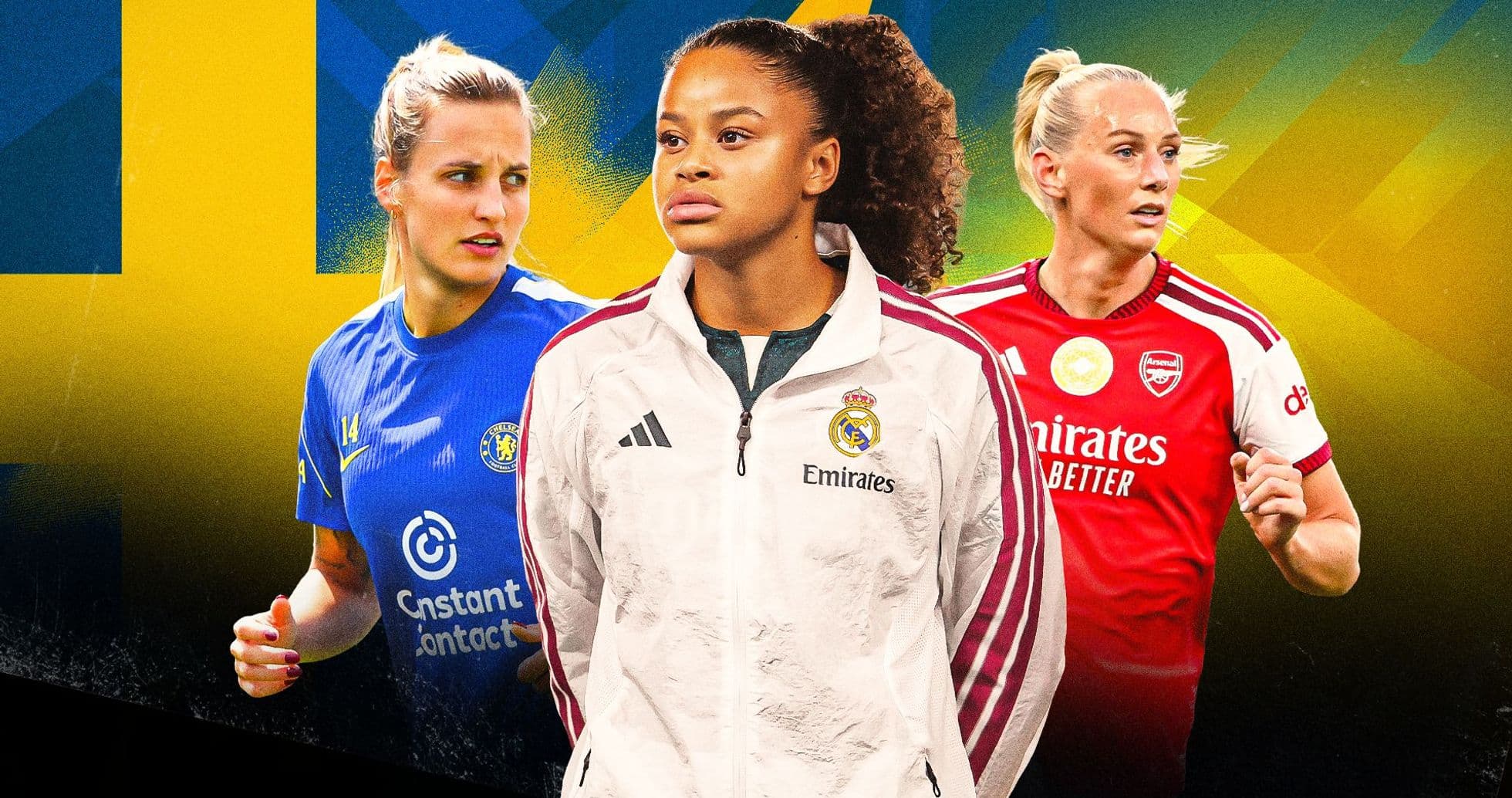
- Arsenal: Stina Blackstenius, Frida Maanum, Smilla Holmberg, Kyra Cooney-Cross
- Chelsea: Nathalie Bjorn
- Manchester City: Rebecca Knaak
- Tottenham: Olivia Holdt, Cathinka Tandberg
- Others: Felicia Schroder (Real Madrid), Johanna Rytting Kaneryd (Lyon), Julia Zigiotti Olme (Manchester United), Livia Peng (Chelsea), Emma Koivisto (Milan), Anna Sandberg (Manchester United)
The financial impact is significant too. FIFA’s latest transfer report reveals that the Damallsvenskan earned $4.2 million (£3.2m) from 30 transfers in the 2026 summer window, more than any other division. The WSL was second, with $3.97 million (£3m) from 95 deals.
Accepting Their Place in the Football Ecosystem
Clubs like Kristianstads DFF understand their position well. Lovisa Strom, part of their sports group, explains that losing players is expected and factored into their planning. Some players stay for the long haul, others come to develop before moving on. This realistic approach helps them stay competitive despite regular departures.
Planning Ahead
At Hacken, current leaders of the Damallsvenskan, Christian Lundstrom, head of women’s football, says they think "two windows ahead". They already consider signings for the next summer and even years down the line. Creating a balance between experienced players, youth prospects, and those ready to step up allows for smoother transitions when key players leave.
Club DNA Matters
Hammarby also manages to remain near the top despite frequent sales. Eva Nystrom, former Finland captain, highlights how the club's consistent principles and team culture make individual player changes less disruptive.
Contracts and Player Relations
Long-term contracts have become more common with the growth of women’s football, enabling clubs to command better transfer fees. Felicia Schroder’s move to Real Madrid exemplifies this. She signed a long contract with Hacken before Madrid paid a near-record fee to secure her transfer.
Lundstrom points out the importance of building strong relationships with players and being transparent about the club’s goal to develop and sell talent. Strom echoes this, emphasizing open discussions about potential moves while ensuring clubs receive fair compensation.
Damallsvenskan’s Appeal to Players
Despite losing many talents, the league remains attractive. According to Opta’s power rankings, it ranks just below the top five global leagues—United States, England, Germany, Spain, and Italy—and above France and growing leagues such as Mexico’s Liga MX. UEFA coefficients ensure players get valuable European exposure through competitions like the Champions League and Europa Cup.
Players like Eva Nystrom view the Damallsvenskan as a professional and bigger stage compared to neighboring leagues, offering opportunities in European tournaments that increase visibility.
What Makes Clubs Unique
Kristianstads prides itself on player care and maintaining good ties with alumni, who act as ambassadors. Lovisa Strom believes this environment helps players perform better and attracts new talent.
Hacken focuses on demonstrating its ability to develop players, which aids recruitment. Clubs show prospective signings the successful careers of previous players who moved on to top leagues.
Challenges Beyond Transfers
While some transfers bring in significant fees, most do not cover large expenses for clubs. Smaller sums are still vital, especially for independent teams like Kristianstads.
Youth development is crucial but difficult to sustain. Around 80% of teenage players in the league are homegrown, but recruiting and retaining quality youth coaches remains a struggle due to financial constraints. Erling Nilsson of FC Rosengard notes the challenge in offering competitive salaries to coaches.
Moreover, young talents now often bypass local steps, moving directly to elite clubs abroad at younger ages than before, making it harder for Swedish clubs to keep promising players long enough.
Independent Clubs vs. Those Affiliated with Men’s Teams
Independent teams, of which there are six in the 14-team Damallsvenskan, face additional challenges competing with clubs that benefit from men’s team resources. Malmö FF’s rise in women’s football, backed by their men's club’s success, poses competition for young talent.
Lundstrom acknowledges that clubs with men’s affiliates have economic advantages and can share experiences more easily. Kristianstads’ approach differs—they focus on strategies tailored to their independent status and manage to avoid losses.
A Changed Landscape
The Damallsvenskan no longer sees regular Champions League final appearances as it did 12 years ago. After Tyresö’s heartbreaking 4-3 loss to Wolfsburg in 2008 and subsequent bankruptcy, big names started departing the league. While it no longer dominates European football, it remains financially stable and a major talent developer.
Recently, Hacken and Hammarby played in the inaugural UEFA Women’s Europa Cup final, with Hacken winning. Hacken also registered wins against Arsenal and Real Madrid, showing competitiveness on the continental stage.
Every Swedish national team member has spent time in the Damallsvenskan, underlining the league’s role in nurturing talent. Nathalie Bjorn, a key figure in Sweden’s squad ranked eighth worldwide, reflects: "Something is done right in Sweden."