
Spalletti Demands Respect After Juventus' Statement Win in Europe
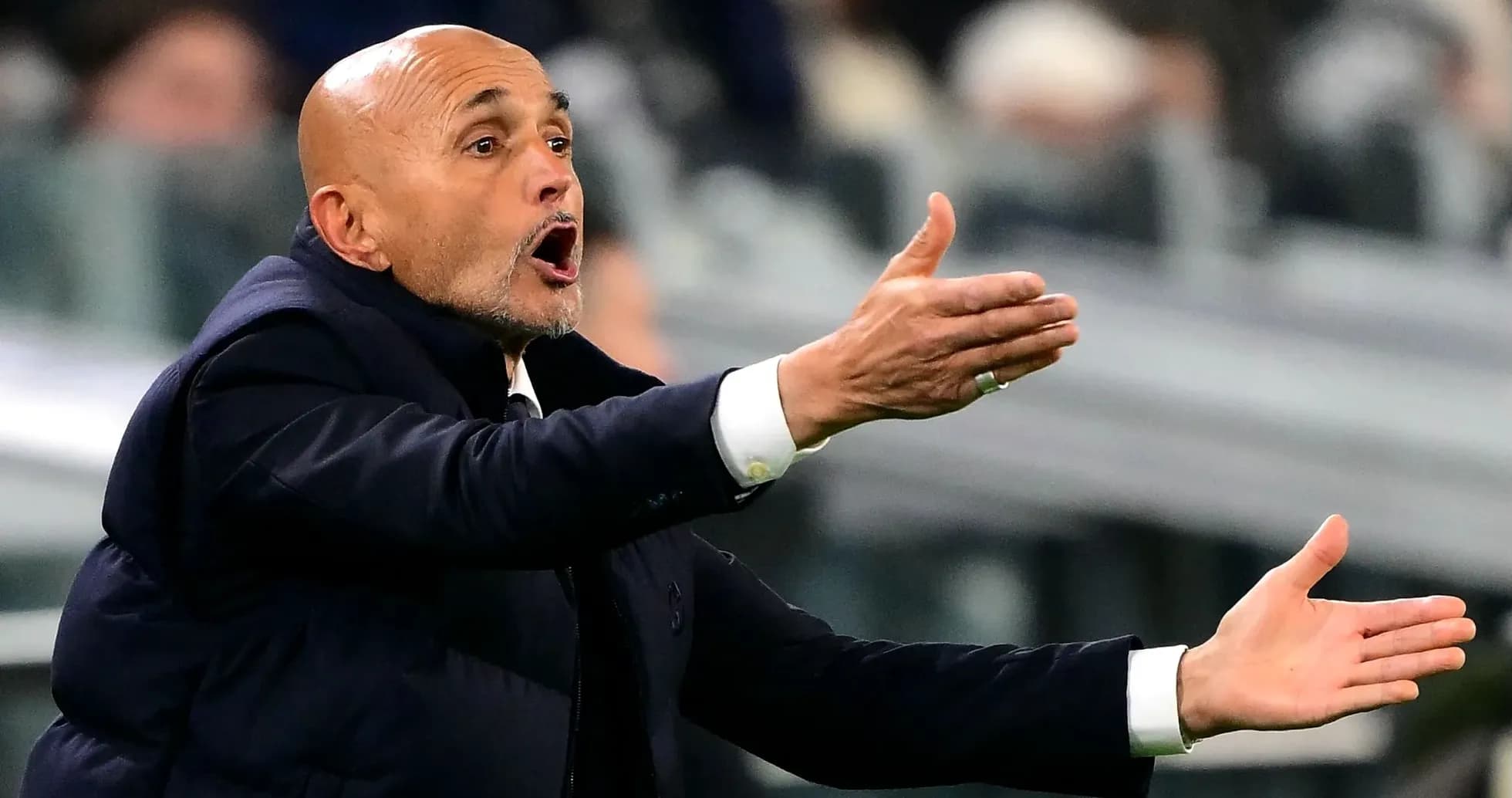
Luciano Spalletti walked off the pitch in Alkmaar with three points, a statement win, and a message he was determined to deliver. Juventus had just snapped AZ’s 17-game unbeaten home run in European competition with a 2-1 victory, patched up by injuries and pushed to the limit, yet still standing. For the Bianconeri coach, this was about more than a result. It was about respect.
Spalletti bites back
With key players like Weston McKennie and Kenan Yildiz missing, Juventus arrived in the Netherlands under a cloud of doubt. They left having imposed themselves on one of Europe’s most solid home sides, and Spalletti had little patience for those who would explain that away.
"I am very satisfied, because we played well against a very strong team," he told Sky Sport Italia, leaning into the narrative he clearly feels is building around his side. He wasn’t interested in hearing that AZ were off their game, or that previous opponents in this Europa League run were somehow unworthy scalps.
He referenced NEC, a team sitting on seven points and casually dismissed as poor when Juventus beat them. For Spalletti, that casual dismissal cuts both ways: it diminishes the opponent and strips credit from his own players.
"When you win, it's because the others are weak," he said, before drawing a line under that notion. "Instead tonight we won a great match and played great football."
This was Spalletti demanding a recalibration of the conversation around Juventus. Not as flat-track bullies, not as beneficiaries of weak opposition, but as a side imposing a clear tactical plan and executing it under pressure.
Control, courage… and a late wobble
On the pitch, Juventus mixed authority with anxiety. For long spells they controlled the game, pressing high, playing in AZ’s half, and showing the courage their coach keeps insisting on. The plan was aggressive: man-to-man far from their own goal, a backline willing to hold its nerve, and a team determined to dictate rather than react.
The pressure finally told in their favour, yet the closing stages betrayed a different story. Spalletti did not hide his frustration at how his side finished the match, especially after AZ pulled a goal back and turned the final minutes into a siege.
"We sat there, we weren't getting out and then we conceded; if it lasted another five minutes we wouldn't have brought it home," he admitted. It was a blunt assessment, the kind that reveals both satisfaction and lingering irritation.
For Spalletti, the game should have been killed off long before AZ’s late surge. "For how we conducted it, the third goal should have been scored." The chances were there. The control was there. The ruthlessness was not.
He pointed to the spaces that were opening up, the opportunities that a forward like Kolo Muani could exploit with just a little more clarity in the final third. "Kolo, if he manages to find a few more outlets, finds plenty of space to hurt them," Spalletti noted, highlighting how the match remained open for Juventus to finish, rather than merely survive.
The substitutes came in for a gentle but pointed critique as well. Jeremie Boga and Jeff Ekhator, he said, had the qualities to stretch AZ and relieve pressure, but Juventus instead dropped too deep and got stuck "halfway" — neither pressing high nor defending with full conviction.
Collective steel over individual shine
Teun Koopmeiners’ performance against his former club naturally drew attention, yet Spalletti steered the spotlight away from any single protagonist. He wanted this night to belong to the group.
"I don't want to make distinctions because there are also those who did the dirty work and did it well like Lucumi or Kalulu," he said. Those names mattered to him: Jhon Lucumi and Pierre Kalulu, defenders who embraced the uglier tasks that underpinned Juventus’ more adventurous approach.
What pleased him most was the team’s willingness to defend high and aggressively, even knowing the risks that come with going man-to-man in the opposition half. "What matters is having gone into their half man-to-man, then it's clear that you risk a bit."
He also underlined a modern pillar of his tactical thinking: the goalkeeper as an extra outfield player under pressure. "How many times have we said that the goalkeeper only has to save? Instead, he must know how to play with his feet because it cancels out all the pressure you face." In Spalletti’s Juventus, there is no room for passengers, not even between the posts.
Mental edge and the cost of hesitation
If there was a theme running through Spalletti’s words, it was mentality. Not as a cliché, but as a concrete explanation for why Juventus emerged from a hostile European away day with a win that felt like a benchmark.
"This is the victory, having been in their half; there was a great attitude and great mentality," he said. For him, Juventus convince when they show that attitude first, tactics second.
The one aspect that truly bothered him was not the shape, not the pressing triggers, but the moment AZ scored. It was, in his eyes, a failure of decisiveness.
"We didn't make a decision and a decision not made is worse than a wrong decision," he said. Hesitation, waiting for others to act or for the opponent to reorganize, is the real danger in his footballing worldview.
In the final minutes, Juventus needed their forwards to hold the ball, to relieve the pressure from AZ’s fierce counter-press. They did it just enough to escape, but not enough to convince their coach that the job had been done with the authority he demands.
Yet as he left Alkmaar, Spalletti’s message was clear: he is happy with every one of his players, even those who stayed on the bench, and he wants the wider world to start seeing what he sees — a team growing in personality as much as in points.
Juventus have their statement away win in Europe. The question now is whether this defiant edge, this demand for respect, becomes the defining fuel for the rest of their campaign.





