Sonny Kerr: Olympic Hopeful from Aberdeen
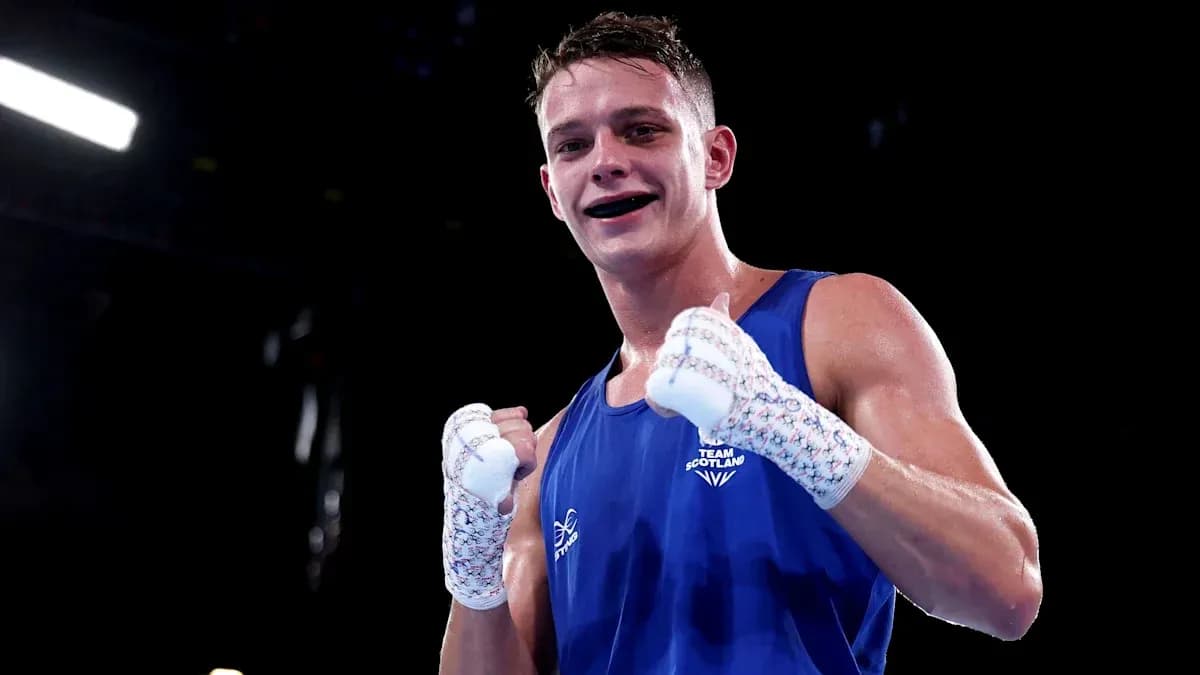
Sonny Kerr feels the pull of the professional game already. But the sound he hears loudest is something else entirely: the Olympic bell.
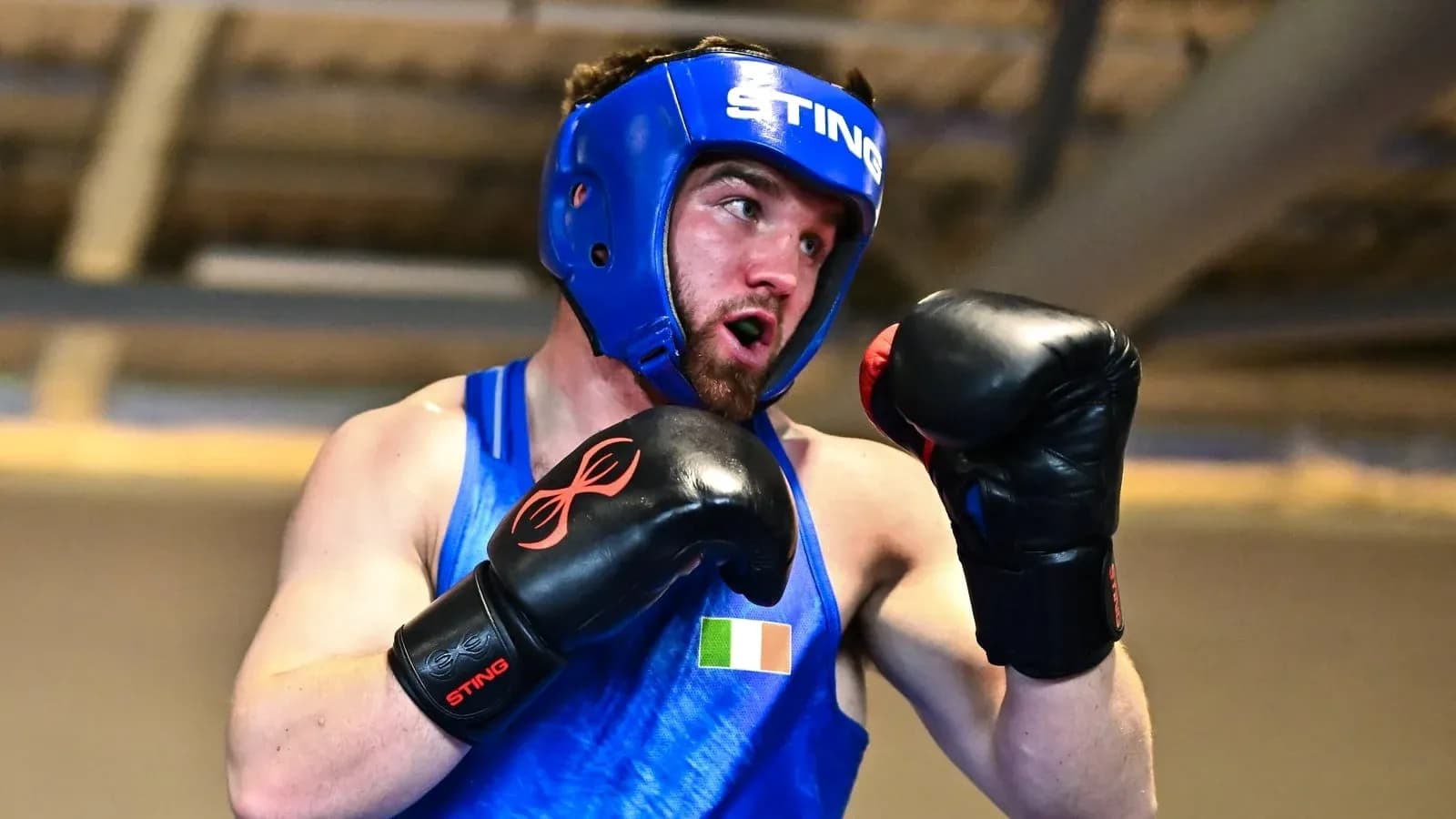
The 21-year-old from Aberdeen stepped onto the Commonwealth Games podium in Glasgow last month with a bronze medal around his neck in the 70kg division, a breakthrough moment on home soil that would turn many young fighters’ heads towards the paid ranks. For Kerr, the temptation is real. The timing, though, may not be.
He is already part of the GB Academy set-up in Sheffield, the only Scottish boxer currently on the GB Olympic programme. That status changes everything. It turns a promising domestic talent into a genuine Olympic hopeful.
“I don't want to peak at this, I want to keep really levelling up now,” he told BBC Scotland, framing Glasgow not as a destination but as a checkpoint.
The professional route is never far from the conversation with a medal around your neck and your name starting to travel. Kerr is honest about that. If the right offer came, the door would be hard to ignore. Yet the picture in his mind is not of small-hall debuts or undercard slots; it is of Los Angeles in 2028, the Olympic rings, the GB vest, and the chance to join the rare group who can call themselves Olympians.
“There is a temptation to go professional of course if certain things align,” he admitted. “But I am the only Scottish boxer on the GB Olympic programme. So the LA cycle is something I would like to stay on for and try and qualify for because that is once in a lifetime stuff really – to be an Olympian.”
That “cycle” is unforgiving. Life in Sheffield with the GB Academy means long spells away from home, constant assessments, and no guarantees. Being in the system is one thing; being selected for Team GB when the Games come around is another level entirely. The margins are brutal. So are the standards.
Kerr has already shown he can live there. A three-time Four Nations Elite champion at three different weights, he has built a record that suggests adaptability, resilience and a willingness to take the hard road. None of that comes by accident.
“I have just kept plugging away and now hopefully I can reap the rewards,” he said. “It is a hard programme to get on to, only the best get on.”
That last line matters. Kerr knows the names who walked this path before him. Josh Taylor, Anthony Joshua, Luke Campbell – fighters who turned amateur pedigree into world titles and headline nights. Those are the “big boots” he talks about filling, the blueprint he studies as he weighs up his future.
Bronze in Glasgow brought pride but also a sting. On home soil, in front of a partisan crowd, he wanted more. The podium felt good; the colour of the medal left him restless.
“That was probably the biggest stage I have been on,” he reflected. “I have boxed in big tournaments before but it being in Scotland, with the crowd, all the eyes are on you boxing. I thought I was quite composed, I didn't let it affect me.”
The occasion could have swallowed him. It didn’t. Instead, it sharpened his sense of what comes next. The performance, the composure, the medal – all of it has fed into a growing belief that the grind is working.
“It gives me a lot of confidence, but it also lets you know the hard work is paying off,” Kerr said. “Because there have been a lot of years, a lot of fights that haven't gone my way in the past and when you do start to get a little bit of luck, and things go your way, you know it is for a reason so that gives you a confidence in itself.”
Those “years” and those “fights” are what make Los Angeles more than a distant fantasy. They are why he is prepared, for now, to turn his back on quick money and bright lights in favour of early mornings and endless rounds on the pads in Sheffield.
The professional game will wait. It always does for a talent with medals, a story and a style. An Olympic cycle will not. Kerr knows he has one shot at that stage in 2028.
The choice in front of him is stark, but his direction feels clear: stay amateur, chase the rings, and see if a bronze in Glasgow can be the first step on a road that ends in Los Angeles.