Why Shakur Stevenson's Exit from Zuffa Boxing Highlights Dana White's Limits in the Sport
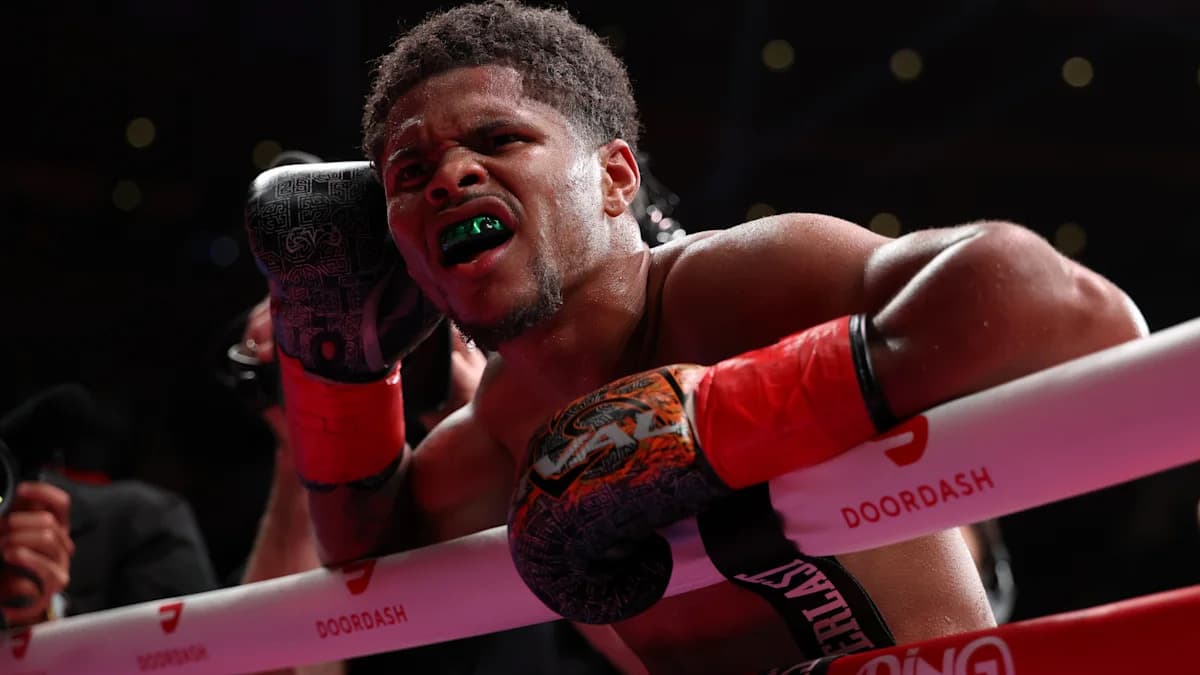
Inside Shakur Stevenson’s Departure from Zuffa Boxing
After three months of negotiations and no fights, Shakur Stevenson has parted ways with Dana White's Zuffa Boxing. The split sheds light on the challenges faced by Zuffa in applying the UFC promotional model to boxing.
Stevenson, the WBO super lightweight champion and ranked No. 4 pound-for-pound by Uncrowned, was the biggest signing for Zuffa since its launch earlier this year. His exit reveals a core issue: having a star fighter does not guarantee control over their most valuable matchups.
The Difference Between UFC and Boxing Control
In the UFC, TKO (which owns UFC and WWE) benefits from commanding the majority of fighters and fight opportunities, giving it leverage to determine matchups. Fighters may negotiate, but ultimately the organization controls which bouts happen. This power allows the UFC to dictate terms effectively.
By contrast, Zuffa’s situation with Stevenson was different. While they secured his signature, the top opponents he wanted to face were outside Zuffa’s control. These fighters had their own schedules, purses, and networks, making negotiations complicated and uncertain.
Failed Attempts at Key Fights
Zuffa initially considered pairing Stevenson with Jose Rayo Valenzuela, their highest-profile lightweight. Stevenson rejected that option immediately. Dana White had previously stated he would avoid working with other promoters, but he quickly found that impossible.
Efforts to arrange a unification bout with WBA super lightweight champ Gary Antuanne Russell failed due to Russell’s $3 million asking price—too high for Zuffa. Mandatory defenses and potential undercard fights, including a matchup against Manny Pacquiao, also stalled because of financial or scheduling issues.
With limited options, Zuffa allowed Stevenson to pursue a fight with WBO welterweight champion Devin Haney, who fights on DAZN. This meant Zuffa had to let their star debut on a rival network, which was an acknowledgment of their inability to make fights independently.
Negotiations with Devin Haney Collapse
Despite previous talks about a Stevenson-Haney fight, disagreements over money and weight class ended the possibility. Stevenson reportedly wanted about $15 million to face Haney, while Zuffa offered $7 million. The fight never materialized, leaving Stevenson without an opponent on Zuffa’s platform or a clear path forward.
For comparison, Conor Benn earned $15 million for his Zuffa debut against Regis Prograis, a figure many believe was intentionally high to set a benchmark. Stevenson expected similar compensation, leveraging his star status, but the lack of available opponents under Zuffa’s control hampered progress.
The Bigger Challenge for Zuffa
Stevenson exercised his bargaining power by rejecting fights, demanding top dollar, and refusing to move up in weight. This highlights the difficulty Zuffa faces: many stars already have their own options, and the best opponents are tied to other promoters and broadcasters.
Rumors link Zuffa to Ryan Garcia, who still has two fights left on his DAZN contract. Yet, with key fighters like Teofimo Lopez, Devin Haney, and Stevenson outside Zuffa’s roster, signing Garcia may only repeat the same problem—securing a star without controlling his biggest potential fights.
What Lies Ahead for Stevenson?
Now a free agent, Stevenson seems poised to join the DAZN network, where most of his desired opponents fight. He announced plans to launch his own promotional company, expressing openness to collaborating with other promoters serious about advancing his career.
This time, I want to tell the fans and tell everyone in the public that I’m now taking my career in my own hands, and I’m starting my own promotional company, and I’m willing to work with other promoters and anybody else that’s out there that’s willing to be serious about my career as I am about my career.
By creating his own promotional outfit, Stevenson could partner directly with DAZN, managing fights with their support while outsourcing event logistics to trusted promoters.
Stevenson previously received a direct offer from DAZN similar to Zuffa’s, but now that DAZN holds multiple top fighters, the leverage is more in DAZN’s favor. Money offers made earlier this year may not hold now since fewer competing promoters exist to drive prices up.
Joining DAZN would place Stevenson alongside many rivals he wants to face but won’t automatically solve disagreements over money or weight classes that stalled past negotiations.
Stevenson has reclaimed control over his career, yet making the best fights will require compromise on both sides.
Summary of Key Negotiations
- Jose Rayo Valenzuela: Dismissed by Stevenson despite being Zuffa’s top lightweight
- Gary Antuanne Russell: Asked $3 million; Zuffa declined
- Raymond Muratalla: Mandatory defense proved unfeasible
- Manny Pacquiao: Potential undercard fight blocked by finances
- Devin Haney: Negotiations collapsed over money and weight; Stevenson sought ~$15 million, Zuffa offered $7 million