Senegal Awaits Late November CAS Decision on Contested AFCON Title Awarded to Morocco
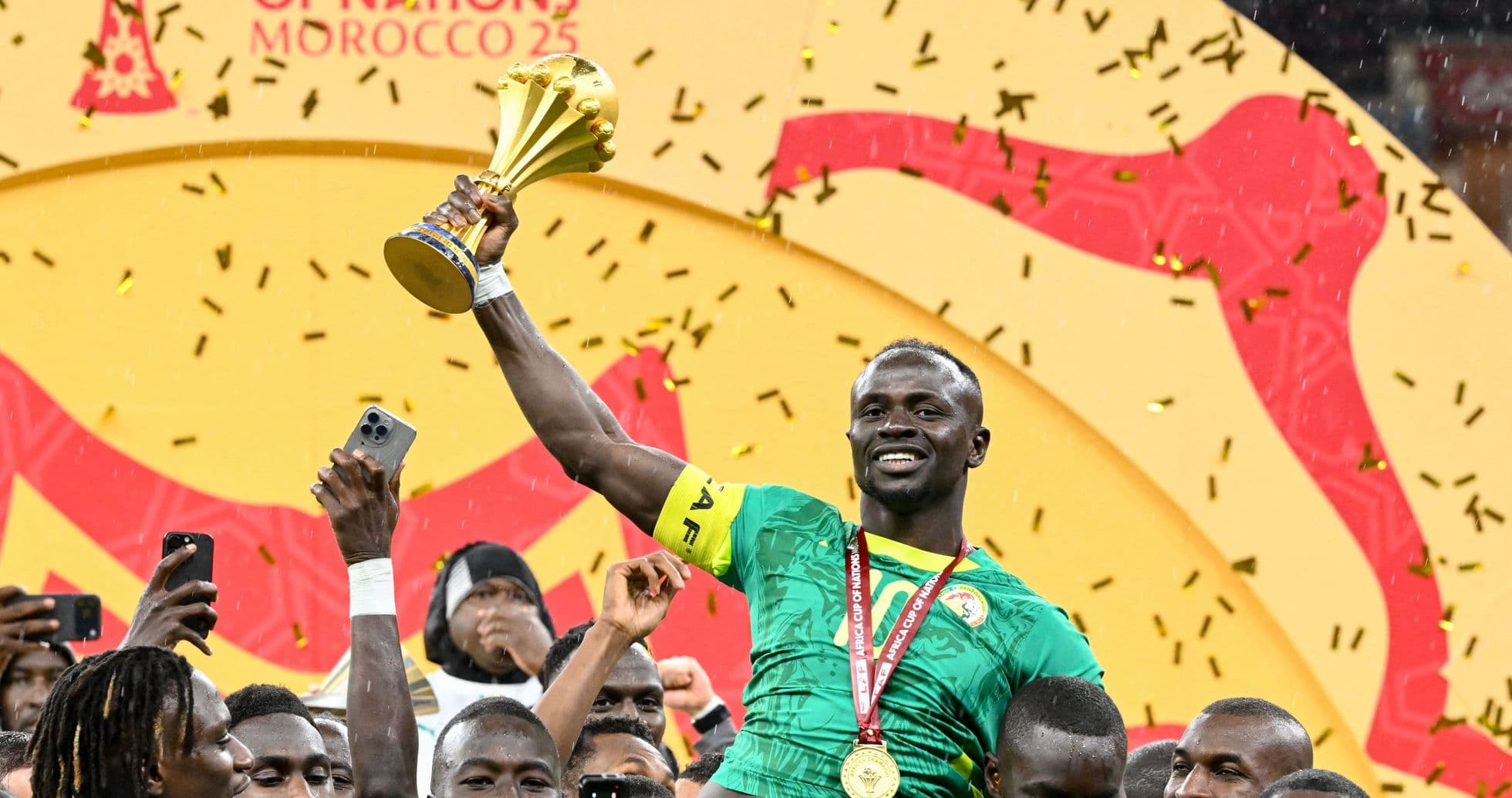
Senegal Faces Extended Wait for CAS Verdict on AFCON Title Dispute
The Senegalese Football Federation will have to wait until late November to hear the Court of Arbitration for Sport's (CAS) final decision regarding their appeal against losing the Africa Cup of Nations (AFCON) title to Morocco. This delay extends the tension surrounding the January 18 final held in Rabat, where Morocco won 1-0 after extra time.
Legal Proceedings Prolonged Beyond Initial Estimates
On October 8, a hearing took place in Lausanne involving arguments from both Senegal, Morocco, and the Confederation of African Football (CAF). Initially, CAS hinted at a quick ruling, but the panel chose to take more time to issue a comprehensive judgment with full legal reasoning, called a CAS Award. CAS officially announced the verdict is now expected by the end of November 2026.
"I know it’s a long wait for the fans a few months after the final between Senegal and Morocco," said CAS director general Matthieu Reeb earlier this month. "The facts are set, are clear and the discussions will be on some procedural issues and legal aspects."
Incident Behind Title Forfeiture
The controversy began during the match’s closing stages when several Senegal players left the pitch for about 14 minutes after a penalty was awarded against them. They returned to the field, Morocco missed the penalty, but later scored in extra time to win.
CAF’s Appeal Board ruled in March that Senegal forfeited the match by abandoning the field, awarding Morocco a 3-0 default victory and stripping Senegal of the trophy. Senegal lodged an appeal on March 25, claiming the referee’s decisions were final and the match had been completed properly.
Binding CAS Arbitration Panel
The arbitration panel consists of three experts: French sports law specialist Gerald Simon, Italian international law professor Luigi Fumagalli, and Hamburg-based lawyer and University of Zurich professor Ulrich Haas. Their final ruling holds the same authority as a national court judgment under the New York Convention. This binding decision can be enforced by sports organizations or national courts.