Rui Hachimura's Cross-Town Gamble: Clippers vs. Spurs
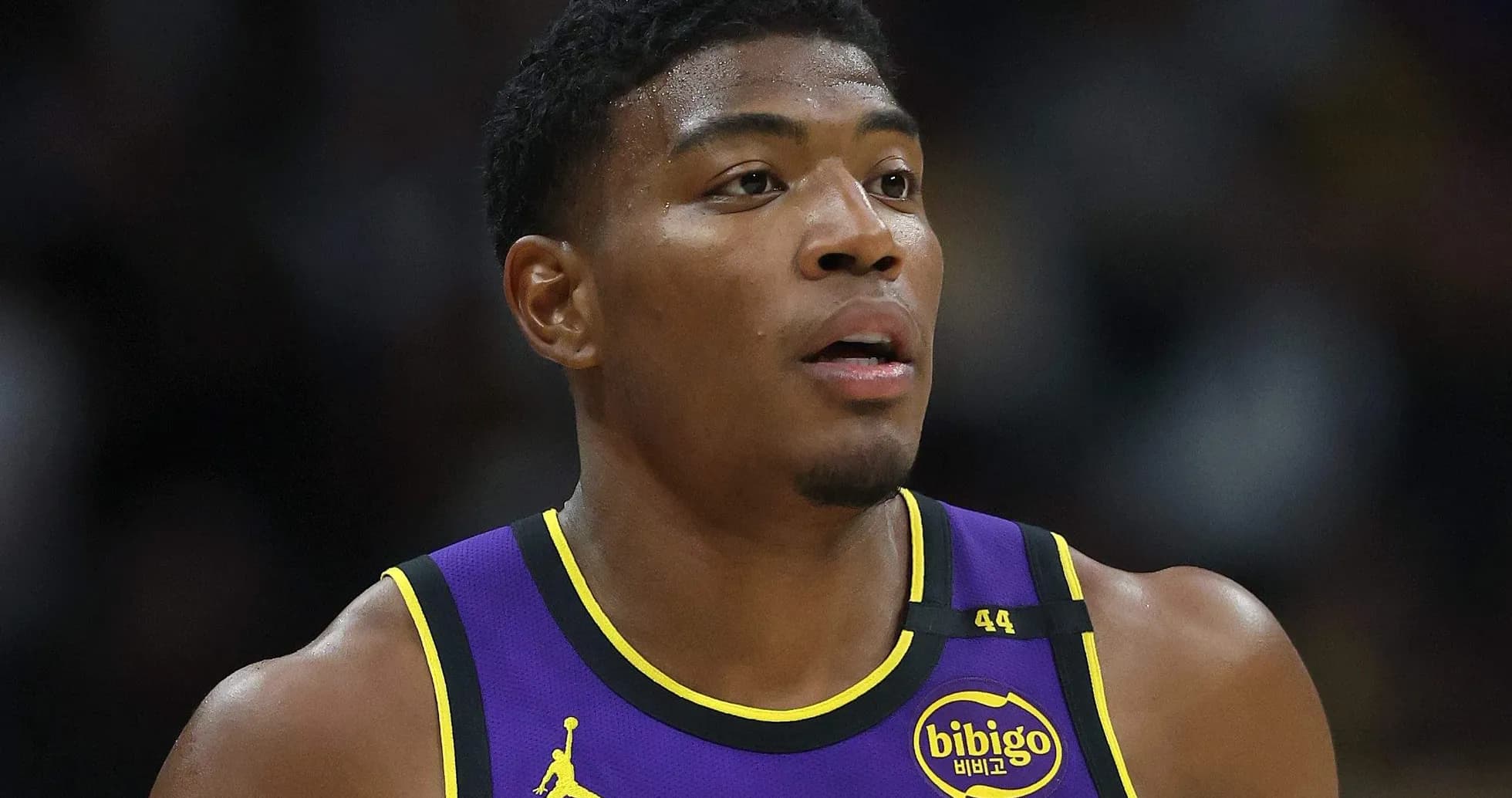
The NBA dropped the hammer on the L.A. Clippers, and the shockwaves rolled straight through Los Angeles.
Five future first-round picks stripped. Kawhi Leonard fined. Steve Ballmer hit with a fine and a suspension. A franchise that had spent years selling itself as the league’s next great superpower suddenly looks exposed, its future mortgaged and its credibility battered.
And right in the middle of the wreckage sits Rui Hachimura.
A Cross-Town Gamble
Hachimura, 28, could easily still be wearing purple and gold. His three-year run with the Lakers ended in July when he chose the Clippers in free agency, opting for continuity in the city rather than continuity with the franchise that had helped revive his career.
He signed a two-year, $28 million deal with the Clippers, matching an offer he had on the table elsewhere. The twist? That second year is a team option, not guaranteed. In a league where security is everything, that’s a sharp edge.
As the league’s punishment for the Clippers’ salary cap circumvention involving Leonard came down, the debate started immediately: did Hachimura pick the wrong side of Los Angeles?
On X, San Antonio Spurs analyst Dusty Garza didn’t dance around the idea.
“Watching the Clippers implode today, you have to wonder if Rui Hachimura regrets his July free agency choice,” Garza wrote, before laying out the alternative that never materialized: a full midlevel exception from the Spurs, a chance to slot next to Victor Wembanyama on a contender stocked with draft capital and a long runway.
Same money. Different reality.
Garza added that San Antonio “immediately pivoted and signed Tobias Harris” when they sensed hesitation from Hachimura’s camp. The door that might have led to Wembanyama and a rising Spurs project closed quickly.
Spurs’ Interest, On Their Terms
Inside league circles, the Spurs’ pursuit of Hachimura always came with conditions.
NBA insider Brett Siegel detailed earlier this offseason why San Antonio ultimately moved away from him. The Spurs, he reported, spoke with Hachimura’s representation but never truly saw him as a long-term piece. They wanted experience and veteran leadership on a short-term deal. Hachimura, in their eyes, didn’t fit that profile the way Tobias Harris did.
That’s why Harris, not Hachimura, became their top target. Once Harris was in play, the Spurs’ interest in Hachimura cooled.
So the picture is more complicated than a simple “Spurs vs. Clippers” fork in the road. Still, when you line up the Spurs’ draft war chest, Wembanyama’s trajectory, and the relative stability in San Antonio against a Clippers franchise now stripped of picks and under league scrutiny, the contrast is brutal.
Hachimura chose to stay in Los Angeles. He chose comfort, market, and familiarity. Today, that looks a lot less secure than it did in July.
Did the Lakers Let One Slip?
The other question hangs over the other side of Crypto.com Arena: did the Lakers misplay this?
They made a hard push for Jonathan Kuminga in free agency, yet, by all indications, didn’t show the same urgency to keep Hachimura. That’s puzzling when you look at the player he has become.
Hachimura is not a theoretical upside swing. He’s a finished product in key areas, and one of the most lethal 3-point shooters in the league right now. Last season, he drilled 44.3 percent from deep, one of the top marks in the NBA, while averaging 11.5 points per game.
When the lights got brighter, he got hotter.
In the postseason, he turned into a flamethrower from beyond the arc, hitting 57 percent of his threes and nearly 18 points per game. Those aren’t empty numbers. Those are “tilt a playoff series” numbers.
He also fit. Hachimura had strong on-court chemistry and relationships with stars like Luka Doncic and Austin Reaves, giving him a natural place in a modern, spacing-heavy offense. For a Lakers team still wrestling with its starting power forward spot, that kind of plug-and-play shooting and size is exactly what they’re missing.
Instead, he’s across the hall, on a roster now facing a storm.
A Future Clouded by Punishment
The Clippers’ penalty changes the conversation around almost everything tied to the franchise. Five future first-round picks gone is not a slap on the wrist; it’s a structural hit. It affects flexibility, trade leverage, and the ability to pivot if this current core stalls or breaks apart.
For Leonard, it’s a stain attached to his name. For Ballmer, it’s a public rebuke of the aggressive, big-spending approach that had defined his tenure. For role players like Hachimura, it’s something more personal: the sense that the stable, contending environment they signed up for may not exist in the same way a year from now.
Hachimura didn’t break any rules. He made a choice that many players make: stay in a city you like, in a market you know, for money that matches what’s available elsewhere. On paper, it was defensible.
Today, it looks like a risk.
The Spurs are quietly stacking assets around Wembanyama. The Lakers are still searching for answers at the four. The Clippers are reeling from historic sanctions.
And Rui Hachimura, caught between what was, what might have been, and what comes next, suddenly finds his career at a crossroads shaped as much by the league office as by his own jumper.