
Regis: From Football Forward to Life on the Streets of São Paulo
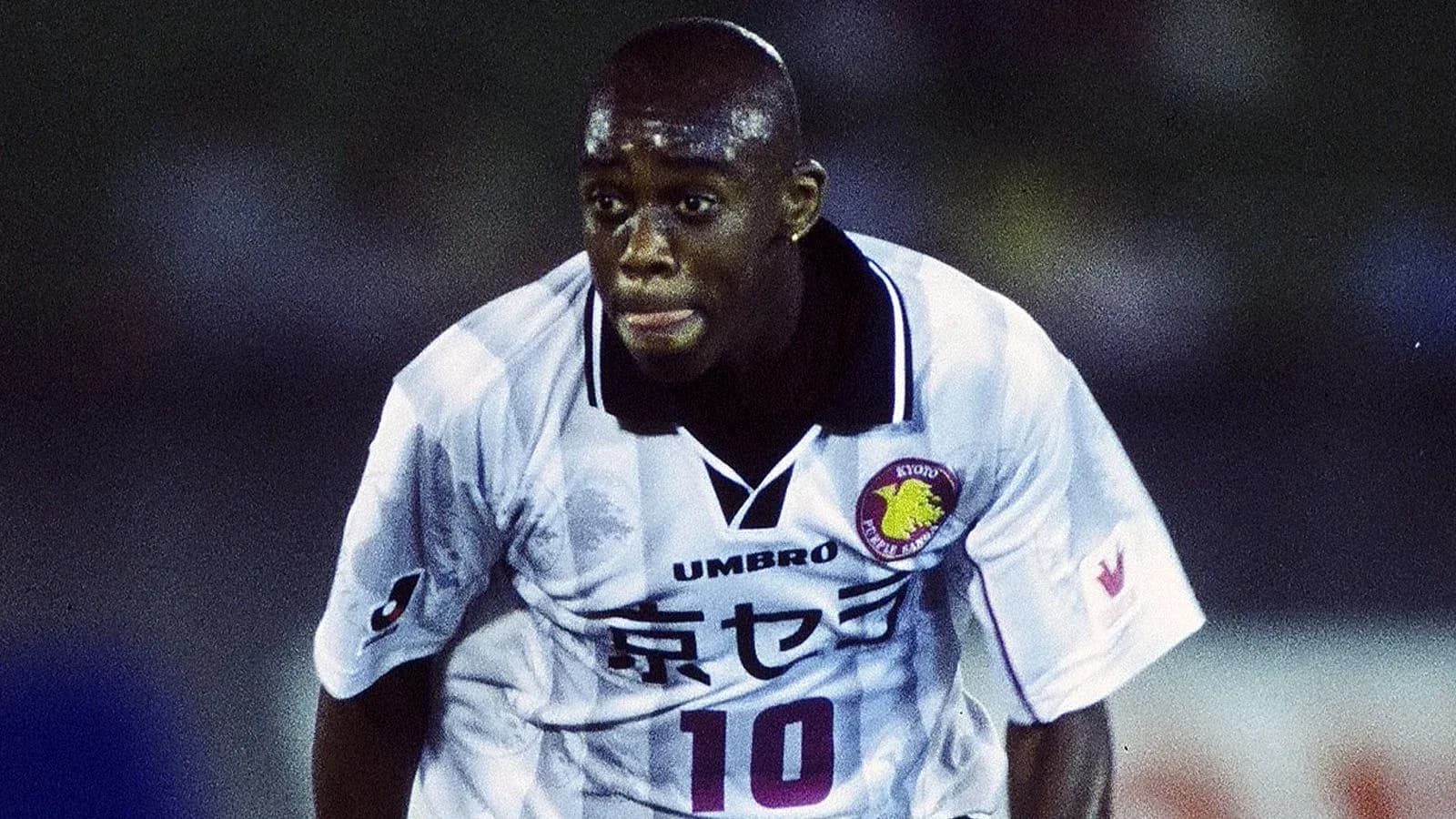
Once a familiar name on team sheets at Ponte Preta, Corinthians, and Vasco, Regis now sleeps under tarpaulins and torn blankets in a forgotten corner of São Paulo.
At 49, the former forward is living rough in Pirituba, in the city’s northern zone, as revealed by Globo Esporte journalist Emilio Botta. His “home” is a small square hemmed in by rubble and piles of waste, where cardboard doubles as a mattress and protection is whatever fabric he can find.
The fall has been brutal. And, in his own words, he no longer wants to be found.
“It’s better if they think I’m dead… I don’t want anyone to know I exist,” he told Botta, a sentence that lands with the weight of a career and a life unravelled.
This is not a sudden collapse but the end point of a long descent. Alarm over his condition grew when former team-mates from an amateur side noticed his alarming physical and mental decline and raised the alarm. They had seen the warning signs up close. The addiction that now dominates his days traces back to his playing years, when he twice tested positive for cannabis in routine anti-doping controls.
On the pitch, Regis built a respectable, if nomadic, career. He scored 49 goals in 170 competitive appearances, moving through clubs such as Coritiba, Bahia, and Portuguesa, and taking his game to Japan, Turkey, and Saudi Arabia. He was never a global star, but he was a professional, a forward trusted to lead the line, a player whose name carried weight in dressing rooms across Brazil and beyond.
The numbers tell one story. His life after football tells another.
Once the boots were hung up, illicit drugs tightened their grip. What began as a problem in the background steadily took over his personal life. Support networks thinned. Family and friends drifted away. The game moved on without him, as it always does, and Regis was left to fight a battle he was losing.
Legal trouble deepened the crisis. In 2025, he was arrested for assaulting a building manager, an incident that ended with him being forced out of his own apartment. That eviction pushed him onto the streets he now roams, a former professional reduced to surviving day by day in the shadows of a city where he once played under stadium lights.
Regis’s story is no longer about goals, appearances, or transfers. It is about survival, addiction, and a man who once belonged to football now convinced the world would be better off believing he no longer exists.