Real Madrid Denies Spanish Flag Ban at Bernabéu
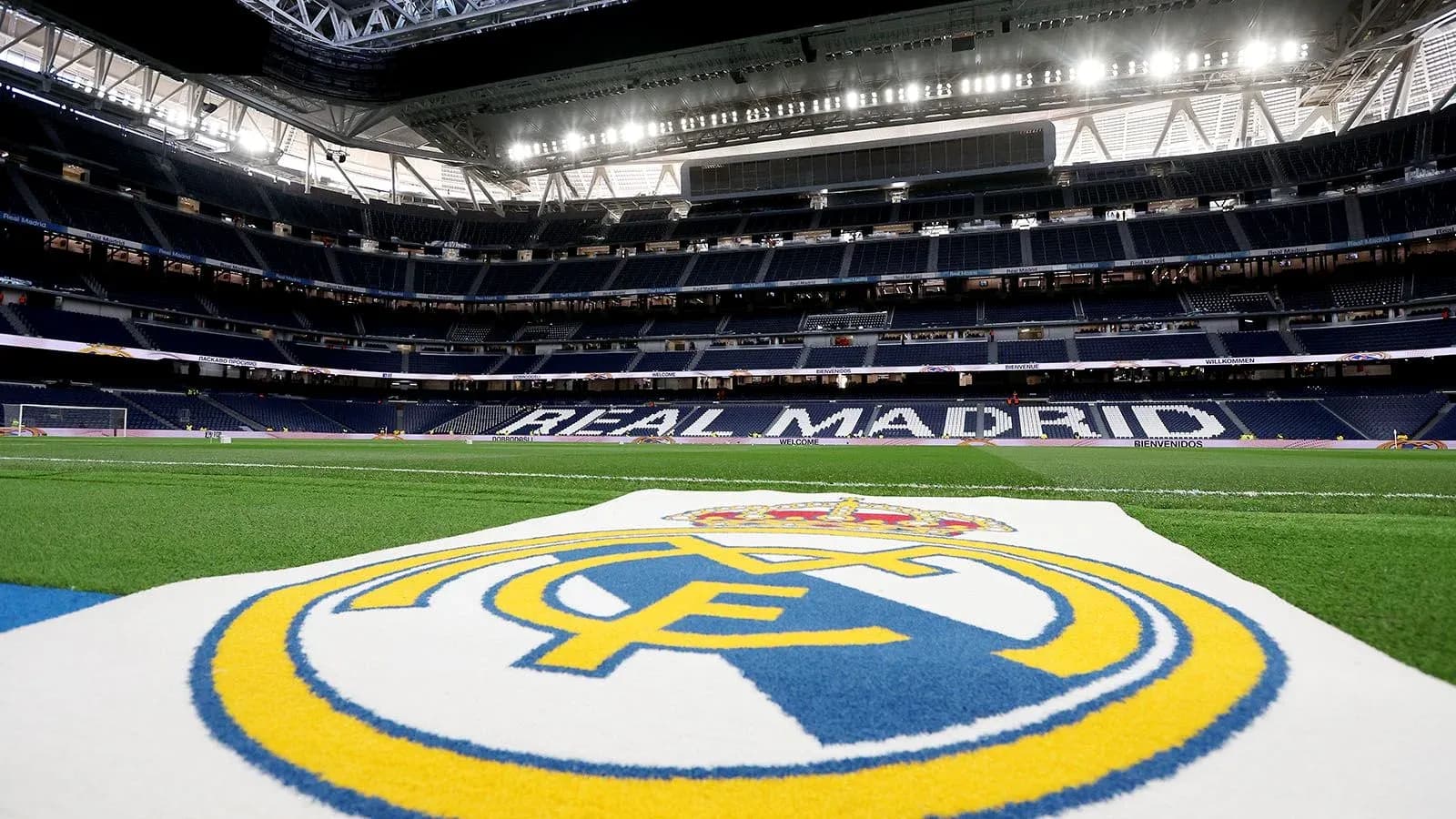
Real Madrid did not wait for this one to simmer down. They stamped on it.
On Monday evening, the club issued a sharp, uncompromising Comunicado Oficial to deny claims that Spanish flags had been banned from the Santiago Bernabéu. Rumours had been swirling across social media and seeping into traditional outlets, painting a picture of a club supposedly turning its back on one of the most visible symbols of its own country.
The response from the Bernabéu was blunt: the story is false. Completely.
Club officials felt the need to act as the narrative gathered speed among supporters, threatening to poison the mood just as the new domestic campaign gets going. For an institution that has long sold itself as a standard-bearer of Spanish sport, the idea of policing national or regional colours inside its own stadium cut right to the core of its identity.
So the statement did not dance around the issue. Real Madrid insisted it is “categorically false” that any order has been given to block Spanish flags, or flags from any autonomous communities or cities, from entering the Bernabéu. The message covered everything from the national rojigualda to the regional banners that routinely ripple across the stands on a big European night.
The club underlined that its security procedures and stadium rules are not the whim of a boardroom, but are tied directly to Spanish legislation governing public events and sporting spectacles. Those protocols, they stressed, are about safety, not silencing.
In their words, the regulations “adhere to the directives of current legislation” and “allow and have always allowed, without any restriction, the entry of all official flags of our country into our stadium.” That line was doing heavy lifting: Real Madrid wanted no ambiguity about what is welcome through the turnstiles.
Security checks will continue, of course. Bags will be searched, objects scrutinised, items confiscated if they breach the law. Yet the club was clear that these screenings do not target national or regional symbols, so long as the flags themselves are official and comply with the legal framework.
By going public, Real Madrid aimed to kill the controversy before it grew teeth. The Bernabéu’s atmosphere – the sea of white, the patches of colour, the noise rolling down from the top tier – is part of the club’s global image, and they were in no mood to let an online narrative suggest that certain colours were no longer welcome.
The institution also rejected the idea that any “extraordinary” controls had been introduced at the gates. What happens outside and inside the stadium, they argued, remains governed by the standard safety obligations imposed by Spanish law, nothing more.
For a club chasing trophies on multiple fronts, the last thing the hierarchy wants is a season hijacked by administrative or political noise. Real Madrid have drawn a line: the flags stay, the rumours go. The rest, they clearly intend, will be about football.