
Raphinha Sees Red as Brazil Loses to Japan in Singapore
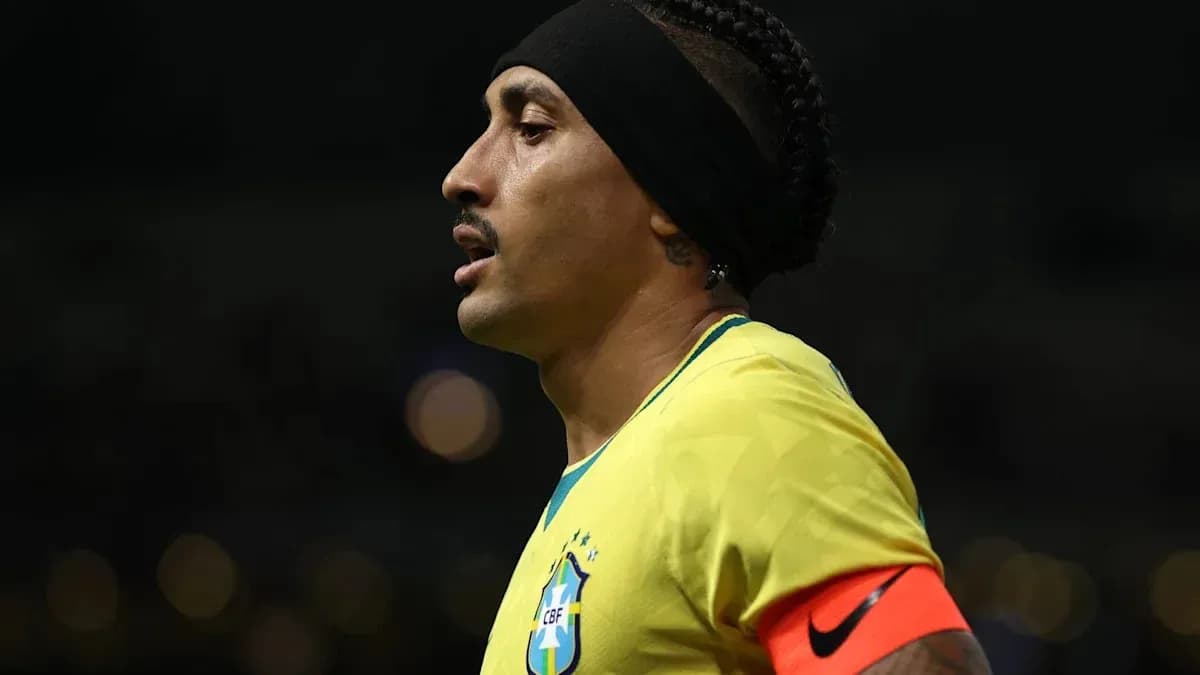
Raphinha’s return to Brazil duty was supposed to be about minutes, rhythm and reassurance. It ended with a walk down the tunnel, a straight red card in his hand and fresh questions swirling around both his fitness and his temper.
In a chaotic finish in Singapore, the Barcelona captain was sent off alongside head coach Carlo Ancelotti as Brazil lost 3-2 to Japan on November 14, the pair dismissed for furious protests after Tatsuhiro Sakamoto’s stoppage-time winner.
From fitness doubts to the starting XI
The tension around Raphinha had been building long before kick-off.
He came into this international break under a cloud, his recent comments about managing his workload for Brazil triggering a storm back home. Fresh from a contract renewal at Barcelona that ties him to the club until 2030, the forward admitted he was not yet fully fit after a muscle problem and spoke of the need to “look after” his body with Ancelotti.
Those remarks, intended as a nod to caution, were quickly seized upon as a plea to ration his minutes in the famous yellow shirt. The backlash was swift enough that Raphinha felt compelled to clarify his stance.
In Singapore, on the eve of the game, he sat in front of the microphones and tried to put the issue to bed. He insisted he wanted to play for Brazil whenever he was physically able, stressing that he was only asking to avoid further injuries, not to pick and choose his fixtures.
Ancelotti listened, then made his own statement on the pitch. Raphinha started. Not out wide, where he built his reputation, but centrally as Brazil’s number nine.
A demanding role, a muted impact
The experiment brought flashes rather than fireworks.
Raphinha worked, dropped in, linked play. He finished with 39 touches, two shots on target and one clear chance created before Ancelotti replaced him with Endrick in the 71st minute. Respectable numbers, but not the performance to silence all doubts about his sharpness.
By then, Brazil were already locked in a wild contest.
Japan struck first and struck early. Takefusa Kubo punished slack defending, and Keito Nakamura added a second inside 19 minutes to leave Brazil’s back line exposed and chasing shadows. Every Japanese surge seemed to stretch a fragile structure; every Brazilian attack felt like an act of repair.
Vinicius Jr. dragged Brazil back into it almost on his own. He reduced the deficit, then, with the clock ticking into the final quarter of an hour, struck again in the 75th minute to haul his team level at 2-2. The comeback looked on. The mood shifted. Brazil’s bench roared, Japan’s composure wobbled.
Stoppage-time chaos and a flash of red
Then came stoppage time, and with it the moment that turned a difficult night into a damaging one for Raphinha.
Sakamoto found the net late to restore Japan’s lead, but Brazil’s players immediately surrounded the referee, convinced there had been a foul on Joao Gomes in the build-up. What began as protest quickly escalated into anger.
In the heat of those closing seconds, Raphinha crossed the line. So did Ancelotti.
The referee reached for his pocket and produced straight red cards for both the Barcelona forward and the Brazil coach, a dramatic double dismissal that capped a breathless, bad-tempered finale. The arguments continued as they left the field, but the decision stood. The result stood. Japan 3, Brazil 2.
For Raphinha, it was a brutal full stop on an already complicated international window. He arrived under scrutiny for what he said about his body. He leaves under scrutiny for how he used his voice with the referee.
New questions for club and country
The numbers from his 71 minutes offer one version of the story: involved, dangerous at times, still searching for top rhythm after recent muscular problems. The red card writes another, more uncomfortable chapter.
Barcelona had already been wary about his involvement, given his history of muscle issues during international breaks. His appearance here, and the emotional spike that ended it, will only sharpen the club’s concern about how his minutes and mindset are being managed away from Catalonia.
For Brazil, the immediate problem is simple: they now have to assess his availability for their next friendly against Singapore on November 17, with disciplinary fallout to navigate on top of tactical questions.
For Raphinha, the stakes are sharper still. He wanted this camp to prove he could be trusted with his body and his role. Instead, he flies back to club football with a fresh contract, a sorely needed reminder of his value – and an unwanted red card that keeps the debate around him very much alive.





