
Raphinha's Call-Up Sparks Tension Between Brazil and Barcelona
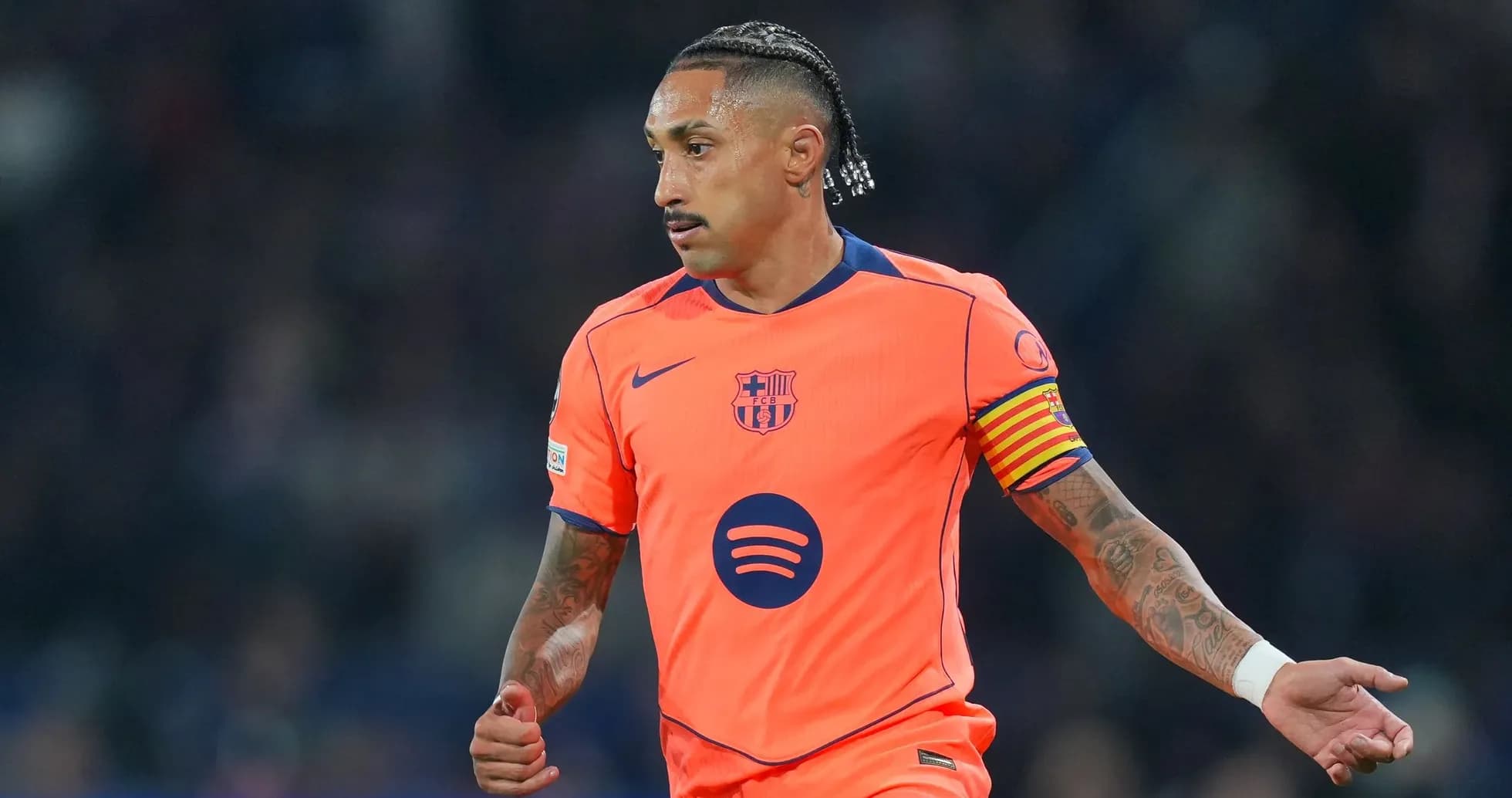
Carlo Ancelotti has drawn a clear line in the sand. Raphinha is going to Asia with Brazil, whether Barcelona like it or not.
The Brazil head coach confirmed the 29-year-old’s call-up on Thursday for two friendlies in Singapore against Japan and the hosts, a decision that cuts straight across the concerns of Joan Laporta and his staff at the Spotify Camp Nou. The winger has only just shaken off a muscular problem picked up on Brazil duty in Australia, and the idea of another 22,000-kilometre round trip has gone down badly in Catalonia.
Laporta has already railed against what he sees as an unforgiving international calendar that punishes clubs who pay the wages and carry the injury risk. Ancelotti heard the noise. He simply chose not to bend.
Ancelotti holds his ground
Sitting at CBF headquarters in Rio de Janeiro, the Italian made it clear that the national team will not be run from European boardrooms.
He stressed that Brazil maintain “good relations” with both domestic and European clubs, that information is shared, that dialogue exists. But the subtext was obvious: cooperation does not mean veto power.
For Ancelotti, FIFA dates belong to the national side. Pressure from presidents and sporting directors will not dictate who boards the plane.
“We have no particular requests, nor do we need them. In the FIFA dates, we will call the players that we consider important for the Brazilian national team,” he said, underlining that the Selecao’s priorities come first.
The only concessions have been made at home. With Flamengo and Palmeiras locked in a fierce title race, Ancelotti has deliberately avoided raiding their squads.
“This is a sensitive moment, that's why we've only called up one player per team and decided not to bring anyone from Flamengo or Palmeiras because they are fighting for the title.”
European clubs, Barcelona included, are offered no such protection. The “spine” of the team, as he sees it, must stay together. Raphinha is part of that spine.
A new cycle, familiar demands
Behind the selection row sits a broader project. Ancelotti is not just managing a squad; he is rebuilding a national side that has fallen short in recent major tournaments.
He has launched what he calls a renewal, and the numbers back him up. This squad includes fifteen players under the age of 23, nine of them of Olympic age. It is a clear attempt to shape the next generation without tearing up the old guard.
“We have started a renewal project and now is the ideal time to do it,” he explained. “In September, we started evaluating younger players and now we continue doing so with these players who can be the future of the Selecao. We have made a balanced call-up, but in which there are nine players of Olympic age and up to fifteen under 23 years old.”
Balance, for Ancelotti, means experience in key positions. He has ring-fenced five survivors from the last World Cup as pillars of this new cycle: Marquinhos, Gabriel Magalhaes, Bruno Guimaraes, Vinícius Junior and Raphinha. Around them, the kids will learn, adapt and, in time, lead.
The message to clubs is stark. These players are not just names on a team sheet; they are structural pieces in a long-term plan that runs through Copa America and into another World Cup.
Raphinha’s evolving role
Beyond the politics, there is a football question: what version of Raphinha will Brazil get?
Under Hansi Flick at Barcelona, the Brazilian has been pushed into new territory, often operating as a central striker or a roaming number nine rather than the touchline-hugging winger he once was. That tactical shift has added layers to his game and, inevitably, raised curiosity about how Ancelotti might use him.
Pressed on whether he would mirror Flick’s experiment, the Brazil coach kept his cards close to his chest. He did, however, hint at the framework.
“We have versatile forwards who can occupy various positions. I focus on what we can do and not on the quality of our opponents. We will continue playing with three midfielders and three forwards.”
The structure is set: three in midfield, three in attack, fluid movement up front. Within that, Raphinha’s versatility becomes an asset rather than a complication, whether he drifts inside as a mobile nine or stretches defences from the flank.
So the winger will travel, despite the miles, despite the recent injury, despite Barcelona’s frustration. For Ancelotti, the calculation is simple: Brazil are building for the next four years, not the next fortnight. The real question now is whether club and country can coexist in that reality—or whether this is only the opening skirmish in a much longer battle.





