Portland Fire's Inaugural Season: A New Identity in Women's Basketball
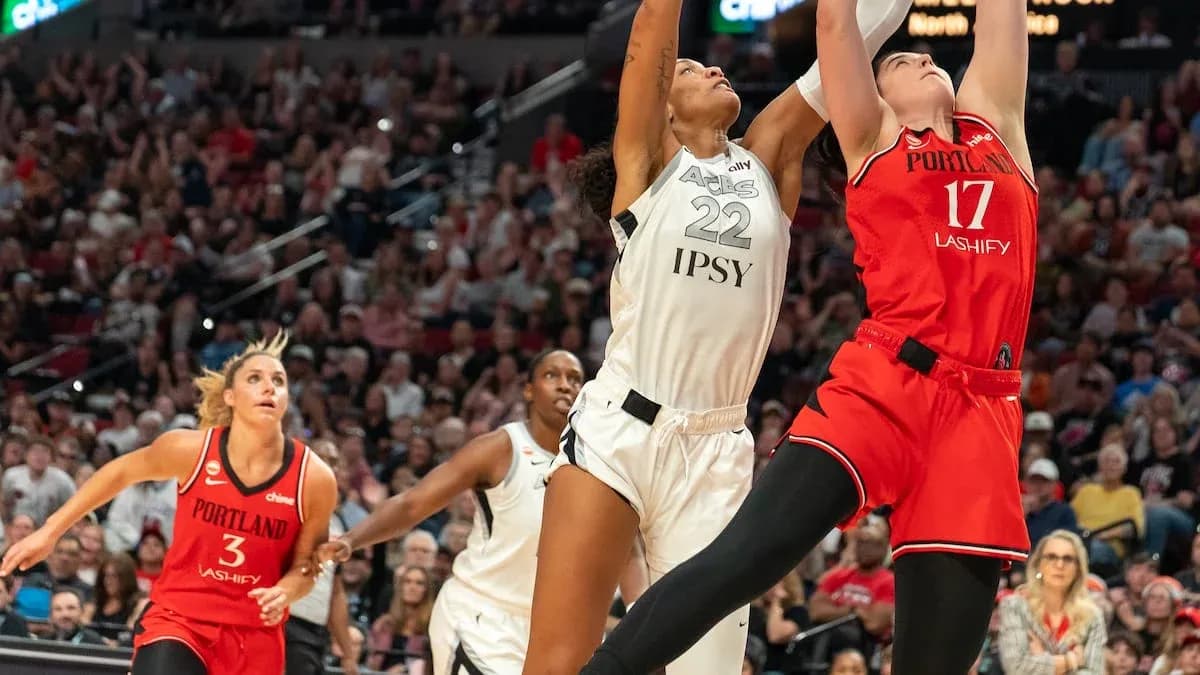
The Portland Fire didn’t crash the postseason party in their first year back, but they lit up the city anyway.
As the rekindled franchise closes its inaugural season, the standings tell only part of the story. The turnstiles tell the rest. The Fire finished fourth in league attendance, drawing more than 14,500 fans per game to the Moda Center — a number that would raise eyebrows in most markets, but in Portland it simply confirms what the city keeps proving: if women are playing, people are showing up.
On nights when the rain drummed on downtown sidewalks, the arena glowed and hummed. Inside, the court had a new nickname and a new identity. The players started calling it “The Fire Pit,” and the name stuck. Win or lose, the building felt loud, warm, and defiantly optimistic, the kind of place where a fledgling roster could believe it belonged.
Center Megan DiLeo, known to many fans from earlier stops in her career as Megan Gustafson, has lived that shift more personally than most. She called this Fire group “a bunch of overlooked players” and admitted she never truly felt respected as an athlete until she arrived in the Rose City. That’s a sharp sentence from a player who has bounced around the professional game, but it cuts to the core of what this season represented: a home for players who’ve had to fight for every contract, every minute, every ounce of recognition.
The respect came from the stands. From the season-ticket holders who learned the roster by heart. From kids in replica jerseys screaming themselves hoarse. From longtime women’s basketball devotees like OPB business reporter Kyra Buckley and KMHD’s “Today’s Good News” host Rev Shines, who spent the season dissecting the team’s growing pains and small triumphs, possession by possession.
There were challenges, of course. Expansion years always carry them. Chemistry takes time. Close games slip away. Rotations get tweaked and retweaked. But the Fire never looked like a novelty act or a placeholder. They looked like a club trying to build something real in a city that knows what a serious basketball operation feels like.
On some nights, the scoreboard flattered them. On others, it was brutal. The atmosphere rarely changed. The Moda Center kept filling, the drumbeat of support steady even as the playoff race moved out of reach. Fans didn’t just come for a contender; they came to stake a claim, to say this team belongs here.
That’s the quiet victory of this first season. The Fire didn’t just return. They returned to a market ready to treat them as more than a curiosity, ready to invest in a group of “overlooked players” who finally found a stage big enough — and loud enough — to match their ambition.
The league table will reset soon enough. The question now is not whether Portland will show up again next year. It’s how high this crowd, and this team, can push the ceiling of what women’s basketball looks like in a city that has clearly decided it’s all in.