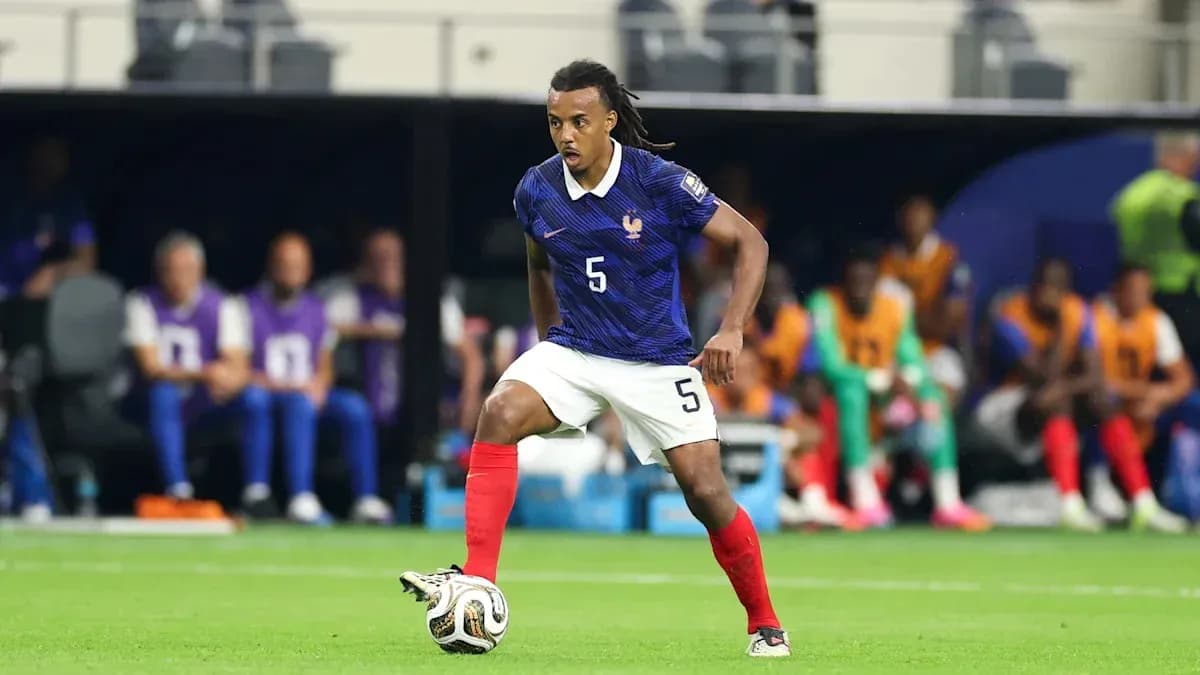
Pochettino Ready to Talk as Carrick's Future Hangs in Balance
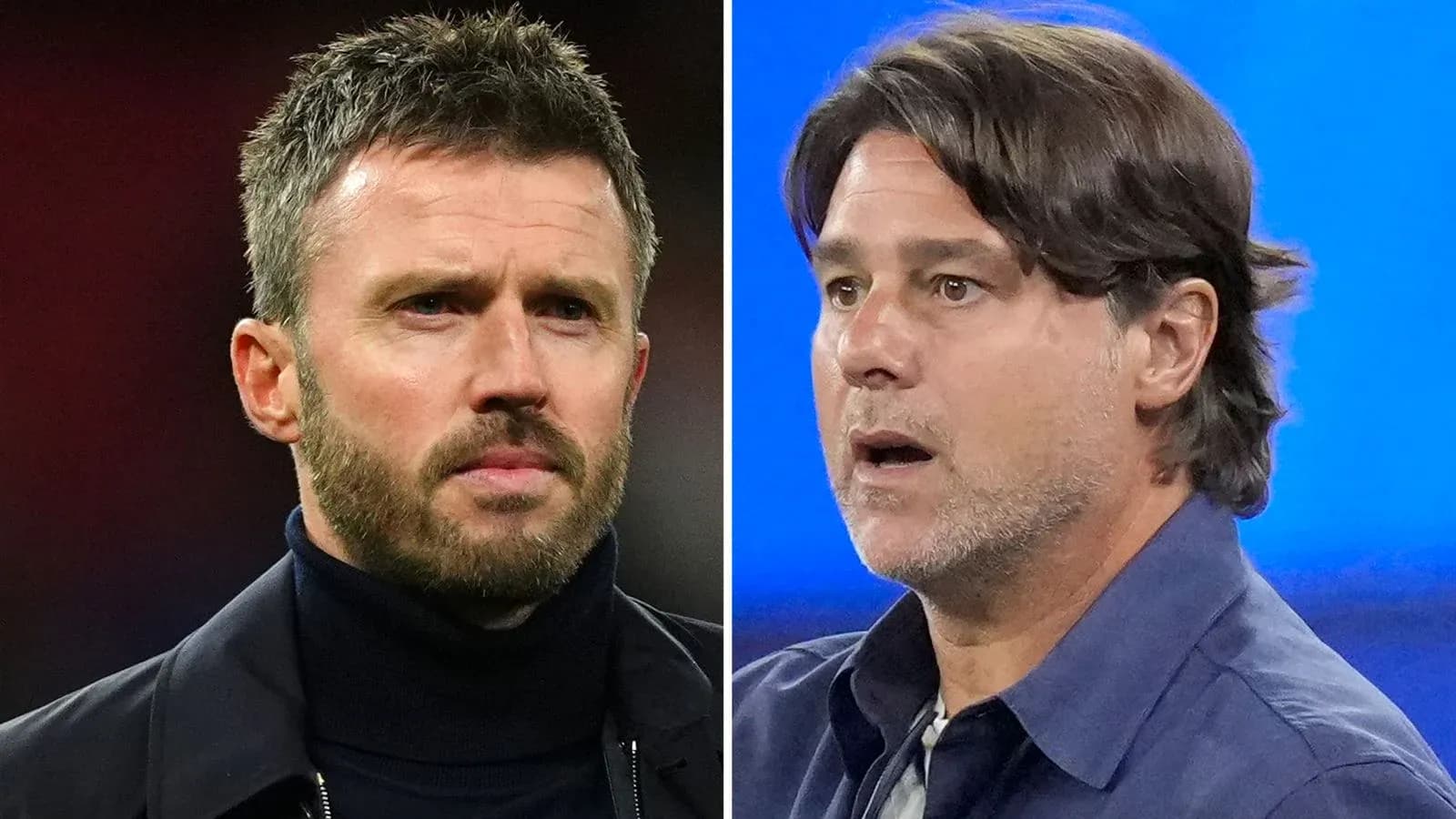
Michael Carrick’s grip on the Manchester United job is loosening by the day, and for the first time there is a clear alternative in view: Mauricio Pochettino is ready to talk.
The United hierarchy are moving into a decisive phase. CEO Omar Berrada and director of football Jason Wilcox will sit down with minority owner Sir Jim Ratcliffe in Monaco on Wednesday, armed with the findings of a searching season review and their recommendations on what comes next in the dugout. Carrick’s future is at the top of that agenda.
For now, there is no final verdict. Carrick arrived at Carrington on Tuesday morning as normal, back at work after a Monday off for the squad following their late rescue act against Aston Villa. But the routine masks a brutal reality: one win in 11 games, eight straight Premier League matches without victory, 30 goals shipped in all competitions – more than any side in Europe’s top five leagues – and the club’s worst-ever start to a Premier League season.
Those numbers scream crisis. The board’s response, so far, has been restraint.
Pochettino in the frame
Into that uncertainty steps Pochettino. The USA head coach is open to discussions if United make an approach, and the cost of prising him away from his current role is thought to be around £7m. He recently extended his deal with the US national team until 2030 and is currently preparing for a Nations League quarter-final against Haiti, but his long-standing admiration for the United job is no secret.
United have spoken to Pochettino at least twice before about taking charge at Old Trafford. This time, the context feels different: the club is deep in a structural reset under Ratcliffe, and the on-pitch slide is impossible to ignore.
Yet, despite Pochettino’s availability and the presence of other high-calibre free agents such as Julian Nagelsmann and Eddie Howe, there have been no substantive talks with any candidate. That is deliberate. United want to avoid another short-term fix, another interim. If they move on from Carrick, they want the next man ready to walk straight in.
A stay of execution – and why
Carrick survived what many thought would be the tipping point: a 3-0 home humiliation by Bournemouth a fortnight ago. He was effectively given three more games to change the mood and the momentum. The performances since – a Champions League win over Roma and a comeback draw against a strong Villa side – have brought drama but not clarity.
There have been late rallies, flashes of defiance. They have not outweighed the broader collapse.
Inside Old Trafford’s corridors of power, though, there are three clear reasons why the axe has not yet fallen.
- First, the stands are not turning on him. The usual soundtrack of a manager’s final weeks – boos, banners, chants demanding change – has never taken hold with Carrick. He is a club legend, a midfielder who won 11 major trophies including the Champions League and five Premier League titles. That affection has insulated him from the kind of fan revolt that forces boards into hasty decisions. At Old Trafford, the anger is loud, but it is directed higher up.
- Second, the dressing room has not checked out. The chaotic nature of recent games is obvious, but so is the effort. The comebacks against Roma and Villa have been taken as evidence that the players are still running for Carrick, still responding to him. This is not a squad that has downed tools.
- Third, there is a lingering doubt that a change of head coach alone will fix what is broken. If the board believed a new manager would instantly transform results, Carrick would likely already be gone and a figure such as Nagelsmann or Howe installed. Both are out of work, both are understood to be keen to talk if United call. The call has not come.
Instead, the international break has become a window for a full reset. With most of the squad away and no first-team sessions scheduled, the club has time and space to reassess the entire season. Wilcox is leading the technical review, Ratcliffe will weigh the strategic implications, and together they will decide whether Carrick is the man to carry this project forward.
Over-achievement, under-performance
The internal view is nuanced. There is recognition that Carrick over-achieved last season, dragging United to a third-place finish and a return to the Champions League. That campaign bought him credit and, until recently, patience.
This season has spent it all.
The same executives who admire Carrick’s work last year are adamant that the current squad has woefully under-performed. The league position, the goals conceded, the inability to control games – none of it matches the investment or the expectations. The question now is whether that under-performance is rooted in coaching, recruitment, mentality, ownership, or, most likely, a combustible mix of all four.
What they do know is that Liverpool await at Anfield the weekend after next. As things stand, there is genuine doubt over whether Carrick will still be in the technical area for that game.
Bigger than the dugout?
Outside the boardroom, the debate is even more fundamental. Sky Sports News chief reporter Kaveh Solhekol captured the mood among a large section of the fanbase when he argued that the manager is almost a secondary issue.
For him, and for many supporters, United’s problem starts with the ownership structure. They remember a club that went toe-to-toe with Barcelona and Real Madrid; they now fear one drifting towards the company of Lincoln and QPR. The sense of circus, of permanent crisis, has become part of the club’s identity.
Change the coach, they argue, and you only paper over the cracks.
That is the backdrop to every decision Ratcliffe, Berrada and Wilcox take this week. Keep Carrick and they are backing a coach under siege to ride out the storm. Move for Pochettino or another elite candidate and they signal a new chapter – but not necessarily a new story.
United once measured themselves against Europe’s giants. The next move will tell whether they still believe they belong in that conversation, or whether this is just another turn on the carousel.