Pedro Sanchez: Spain Must Host the World Cup Final
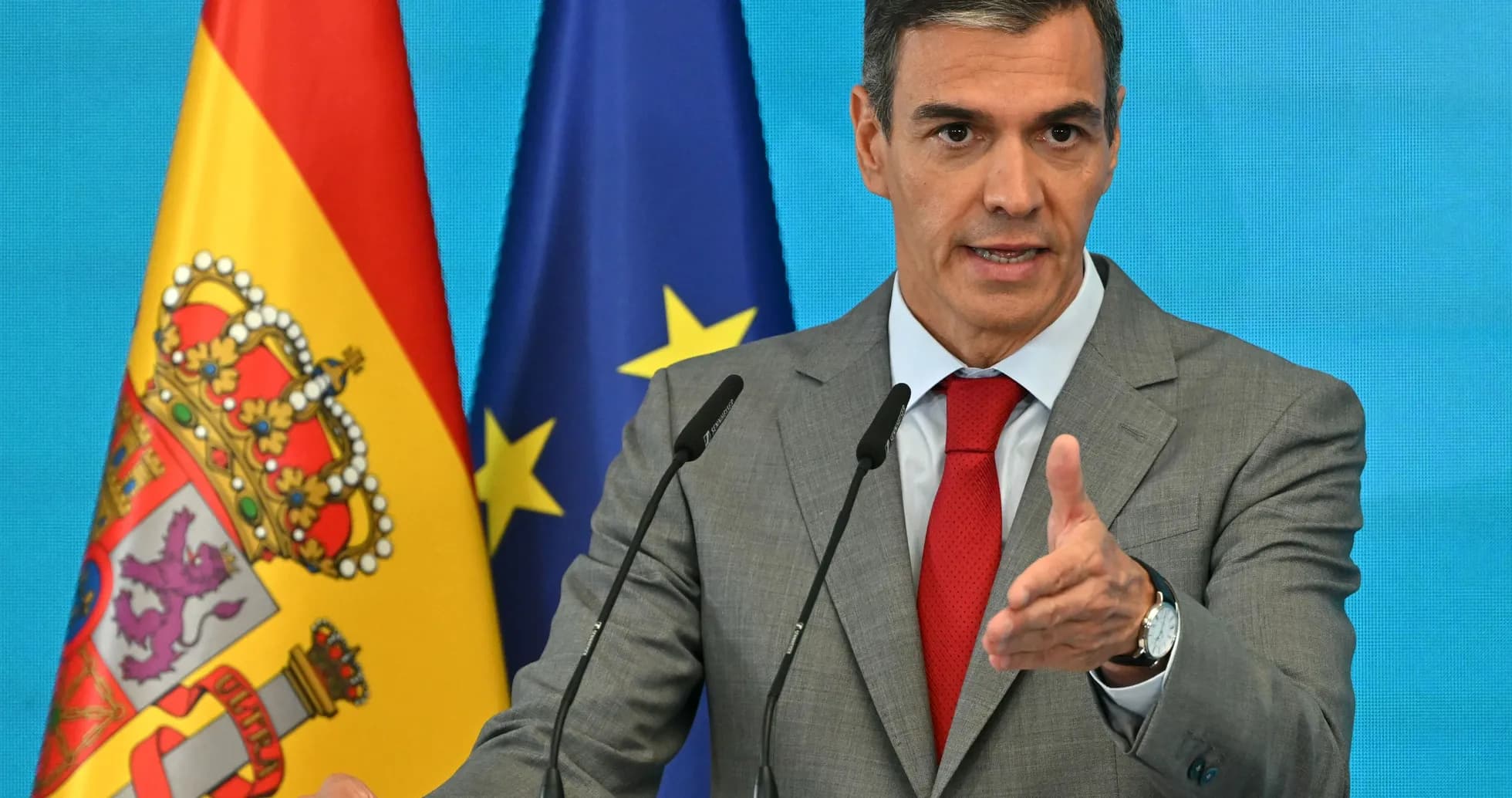
The Spanish Prime Minister has thrown the full weight of his government behind a single, clear objective for 2030: the World Cup’s biggest night must be played on Spanish soil, not across the Strait of Gibraltar.
Speaking to Spanish network SER on Monday, Sanchez dismissed the idea that FIFA president Gianni Infantino could engineer a switch of the showpiece to Morocco. His message was blunt. Spain will not give up the final without a fight.
“We will work to ensure that the final is held here,” he said, before pushing the argument further. For Sanchez, this is not just about hosting; it is about destiny. “The time has come for Spain to win the World Cup on its own soil.”
He knows the sporting backdrop strengthens his hand. La Roja have become a modern World Cup force. The first title arrived in South Africa in 2010, a golden generation finally delivering on years of promise. The second came this year in the expanded tournament shared by the United States, Mexico and Canada, Spain edging Argentina 1-0 after extra time on 19 July thanks to a Ferran Torres strike.
Two stars on the shirt. One more target: a final at home.
Those trophies form the spine of Sanchez’s argument. A country that has twice climbed to the summit, he insists, has earned the right to stage the sport’s grandest occasion in front of its own fans.
Spain will co-host the 2030 World Cup with Portugal and Morocco, in a uniquely scattered edition designed to mark 100 years since the first tournament. The centenary has already reshaped the map: Uruguay, Argentina and Paraguay will each stage an opening match on home soil to honour the 1930 original, when every game took place in Montevideo.
The romance of history is clear. So is the complexity. With matches spread across continents and political interests layered on top of sporting ones, the choice of venue for the final has become far more than a logistical question.
At the heart of it sits a simple, unresolved issue: where does the world gather for the last game?
That decision remains open, and the contest to host it has now moved beyond federation boardrooms. By stepping forward so publicly, Spain’s government has turned the bid into a matter of national will, not just a footballing proposal.
Morocco’s claim is strong, backed by its own ambitions and the shared-hosting model that helped secure the tournament. But Spain has made its stance unmistakable. It wants the final, it believes it deserves the final, and it is prepared to turn this into a political battle to keep the World Cup’s defining night within its borders.
The draw for 2030 is years away. The battle for where the last whistle blows has already begun.