Paddy Pimblett: The Fighter Who Redefined Expectations in the UFC
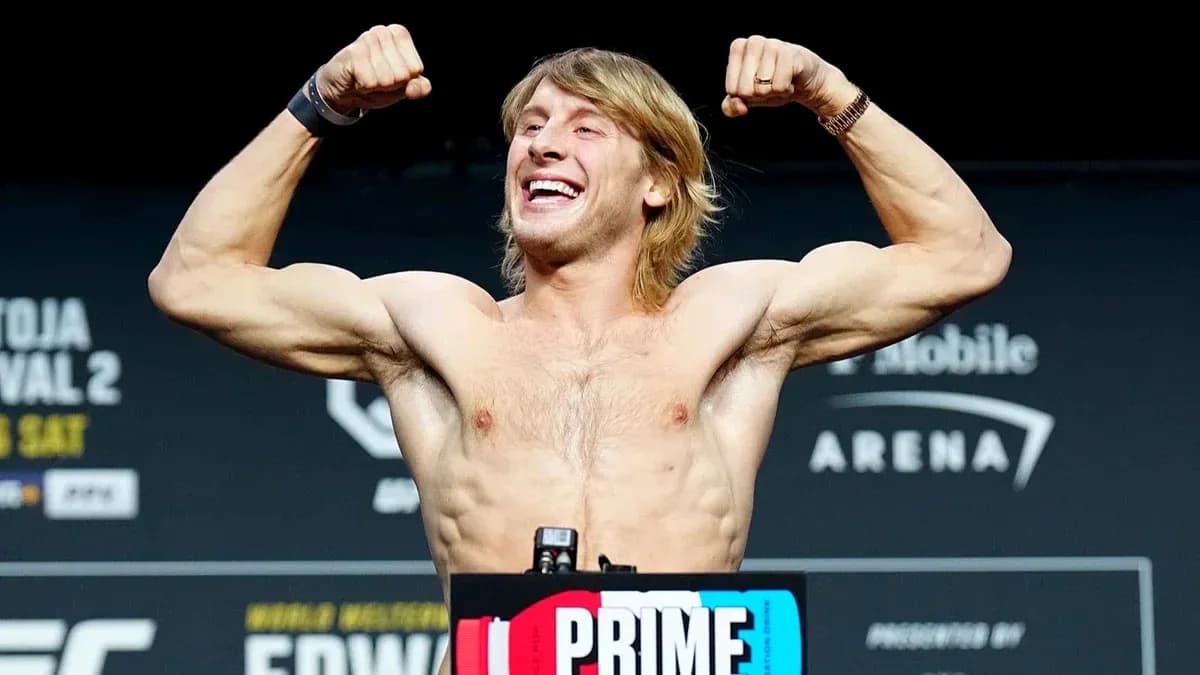
Paddy Pimblett walked into the UFC already carrying the weight of expectation. Nineteen fights on the regional circuit, championship rounds under his belt, and a fanbase that treated him like a cult hero long before he ever saw the bright lights of the sport’s top promotion.
He didn’t arrive as a prospect. He arrived as an attraction.
From the start, “The Baddy” brought exactly what the UFC craves: chaos, finishes, and the sense that something wild might happen every time he steps into the cage. He doesn’t fight to edge rounds; he fights to end nights. That attitude made him a natural fit on the roster, but inside the promotion’s offices, his value runs deeper than highlight reels and walkout pops.
Dana White sees him as something more.
The UFC president has watched Pimblett’s rise closely, and for him, the defining moment wasn’t a viral win. It came in defeat, in a punishing loss to Justin Gaethje that stripped away the hype and left only the fighter.
In White’s eyes, that was the night fans finally understood who Pimblett really is.
White revealed that Pimblett’s stock didn’t dip with that loss; it spiked. The Brit gained more followers after the Gaethje fight than he did after his previous spectacular victory. That surge told its own story. People had seen the grit. They had seen the chin. They had seen a man refuse to wilt against one of the most violent lightweights of his era.
The gloss of the unbeaten run faded. The respect didn’t.
For White, that response from the audience taps into a philosophy that dates back to the earliest days of his UFC tenure. He’s long believed that the sport’s true currency isn’t just wins and losses, but trust: the trust that if fans give up their Saturday night, the fighter will give them something worth staying in for.
That’s where the Arturo Gatti comparison comes in.
White pointed to the late boxing icon as the blueprint. Gatti kept landing HBO dates even when the results didn’t go his way, because viewers knew exactly what they were buying: chaos, punishment, heart, and a sense that they’d feel something when the final bell rang.
White framed it in simple terms. A Saturday night is expensive, even before anyone talks about pay-per-view prices. People have partners to take out, kids to entertain, lives to live. Choosing the fights over all that is a commitment.
If you’re going to ask for that kind of investment, the fighters on the screen have to give everything back.
Arturo Gatti did. White believes Paddy Pimblett does too.
When fans settle in for a Pimblett fight now, they’re not just tuning in for the haircut, the accent, or the noise that follows him. They’re tuning in because they’ve seen him bite down on the mouthpiece and go to war, and they trust that win or lose, they won’t turn the TV off feeling short-changed.