
Oihan Sancet’s World Cup Dream with Euskal Selekzioa
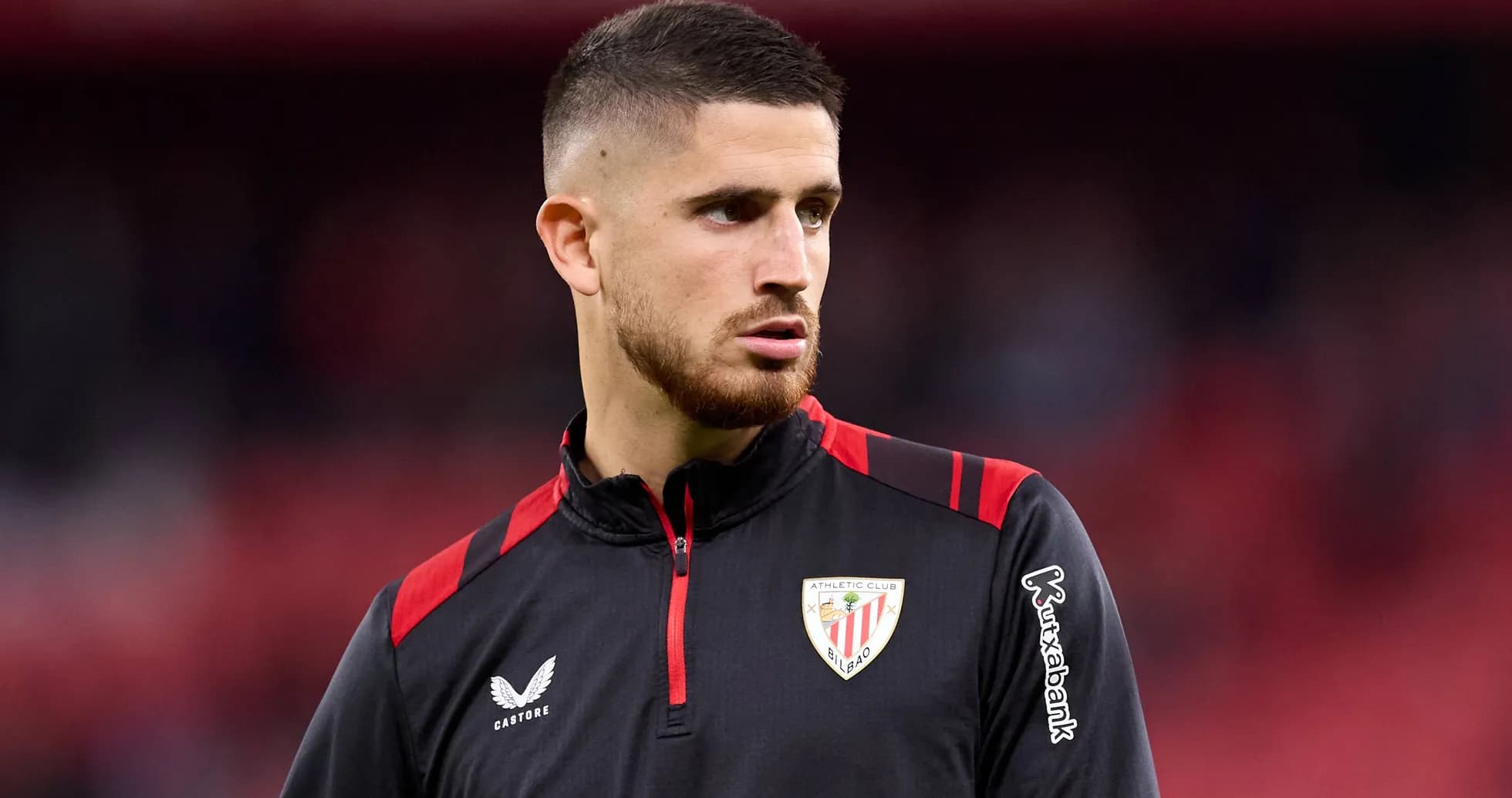
Oihan Sancet has already scored for Spain. Now he’s talking about a different anthem, a different flag, and the possibility of walking out at a World Cup in Basque colours.
On Saturday at San Mamés, the Athletic Club playmaker will make his debut for Euskal Selekzioa against Venezuela, a friendly on paper but a showcase loaded with symbolism. The game marks the 90th anniversary of the first Basque Government, and for Sancet it carries a far bigger idea: official recognition for a national team that, for now, lives in the margins.
“It is a source of pride to play for the team you love, and hopefully it will happen and we can one day play in a World Cup with our country's national team,” he told reporters at Lezama, leaving no doubt where his heart lies.
From Spain scorer to Basque standard-bearer
Sancet’s stance is striking because his path with Spain has already begun. The Navarre-born midfielder marked his senior debut for La Roja with a goal against Scotland in a 2023 European Championship qualifier, the sort of moment that usually cements a player’s international future.
Instead, as he joins up with Jagoba Arrasate’s Basque squad for a two-day camp at Lezama, he’s lending his voice to a different cause. The Basque Football Federation has reapplied to Spain’s National Sports Council for formal recognition, inspired by precedents in other disciplines where Basque teams already compete for world titles.
On the training pitch, the focus is practical. Sancet has missed four matches for Athletic with a muscular problem but insists he is “fully recovered” and sees the Venezuela clash as a springboard: the kind of intense, emotional night that “will help me get back up to speed.”
He likes what he sees around him too. “We have a great team and a lot can be achieved,” he said, a line that fits both Saturday’s game and the wider political push behind it.
Arrasate’s conviction
Arrasate, in charge of Osasuna in his day job and of Euskal Selekzioa for this occasion, has become one of the most prominent coaching voices backing official recognition. His argument leans on experience, not theory.
The Basque region already competes in surfing and Basque pelota, where it has claimed Jai Alai and doubles hand pelota world titles. Arrasate has seen that from close range.
“I experienced the pelota situation first-hand with people from Berriatua who travelled to Argentina and Uruguay, and I am proud of what they achieved,” he said. For him, that journey shows what can happen when there is real intent. “Every sport has its nuances and there will undoubtedly be competing interests, but the first step is genuine determination, and I believe we have that.”
The crowd will test that belief. Last year, 51,000 fans turned out to watch the Basque side face Palestine. That night set a standard. Arrasate knows it.
“The bar is set very high, but we are full of enthusiasm,” he admitted. Then came the competitive edge. “When the players pull on this shirt, they give everything they have. I see a spark in their eyes, an eagerness to perform well, and why not win again? We have the quality to compete against top national sides, and Saturday is a great stage to show that.”
Squad tweaks and a symbolic schedule
The build-up has not been entirely smooth. Fitness problems forced Aitor Fernandez, Dani Vivian and Hugo Rincon out of the squad. In response, Unai Marrero, Andoni Gorosabel and Benat Prados were drafted in, joined by versatile defender Igor Zubeldia to reinforce the group.
The preparation carries a ceremonial weight too. On Friday morning, the squad will train in an open session at Saint-Jean-de-Luz, giving fans a rare close-up of a team that usually gathers only once or twice a year. From there, they will lay flowers at the grave of Jose Antonio Aguirre, the first Basque president, binding this footballing project to a longer political and cultural story.
Then comes San Mamés. Arrasate plans to field two separate line-ups so every player sees the pitch against Venezuela. It’s a clear message: this is not just about a starting XI, but about a collective trying to prove it belongs on a bigger stage.
When the final whistle blows, the players will scatter back to their clubs and the grind of domestic football. The debate, though, will not go away. If Sancet and his teammates keep performing in nights like this, how long can the dream of an officially recognised Basque national team be kept at arm’s length?





