
Nils Schmadtke Defends Reputation After Bayern Munich Exit
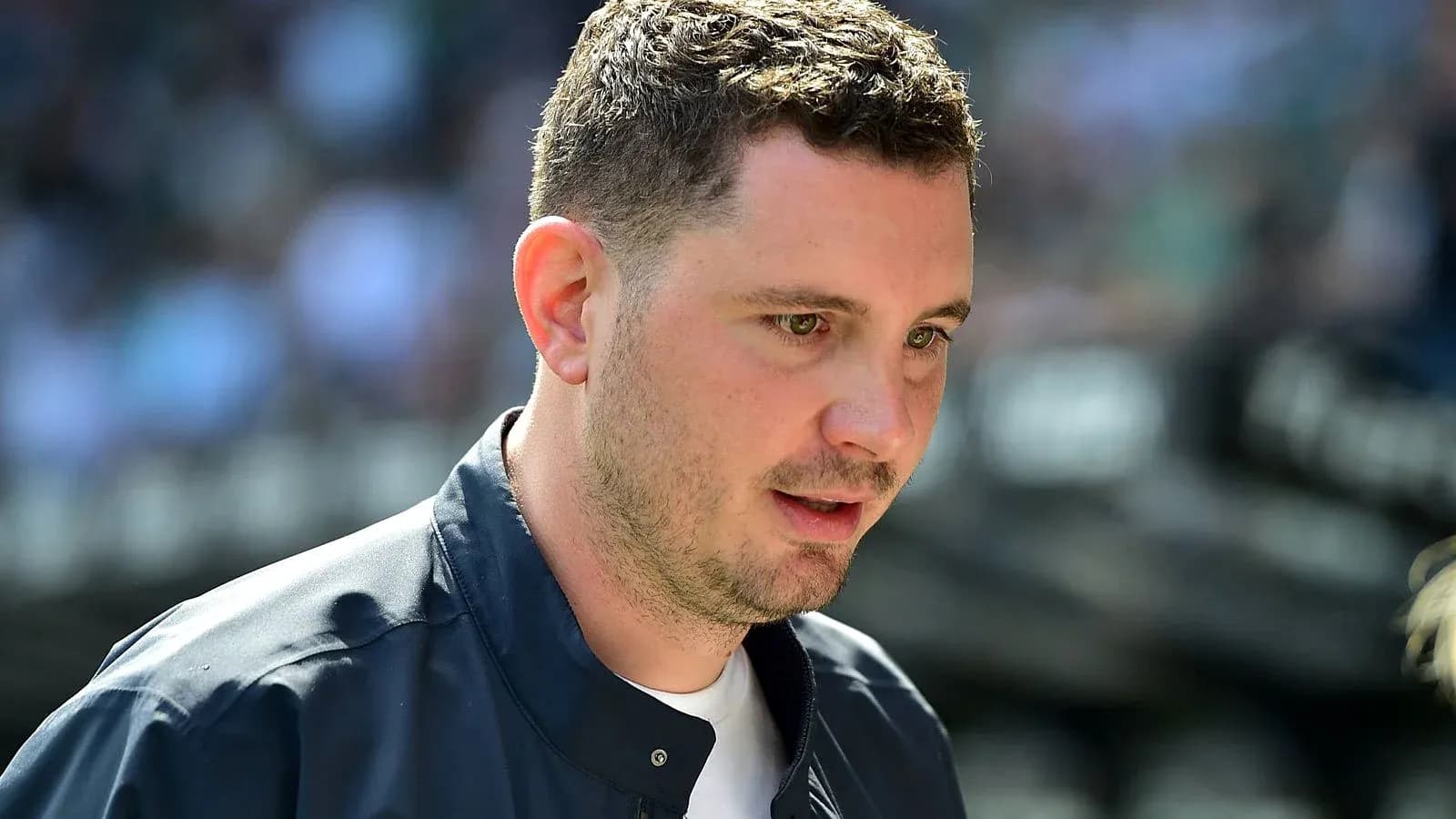
Nils Schmadtke has stepped out of the shadows and into the line of fire. After days of speculation over his abrupt Bayern Munich exit, the 37-year-old has publicly rejected accusations that he leaked internal information and mistreated staff, insisting the debate is no longer about performance but about his integrity.
“I spent a long time considering whether to comment on the reports of recent days. Normally, I let my work speak for itself. This time, though, it is not about my work but about my character. So here are a few clear words,” he wrote on LinkedIn on Thursday, choosing his own platform to respond rather than waiting for the next wave of headlines.
The son of long-serving Bundesliga manager Jörg Schmadtke then delivered a direct rebuttal to the claims that have swirled around Säbener Straße.
“I have never passed confidential information to the media. Not in Munich, and not anywhere else. I have never belittled people under my responsibility. I am demanding, and can be difficult when it comes to quality. I am not disrespectful. And none of what has been written had anything even remotely to do with my departure from Bayern Munich.
“I do not discuss internal matters publicly. I have not done so at any of my previous clubs, and I will not do so now.”
The words cut against the narrative that has built up in recent weeks. Reports had painted a picture of an abrasive operator whose management style grated internally and who allegedly allowed sensitive information to seep out of the club. On Monday, Bayern confirmed that Schmadtke would leave his role early, on 31 January 2027, despite a contract that was supposed to run until the summer of that year.
He did not offer his version of why the relationship ended ahead of schedule. He chose instead to draw a line at personal attacks and let the rest remain behind closed doors.
Search for a successor stalls
Bayern, meanwhile, must decide who takes over a key piece of their sporting structure. Christopher Vivell, currently responsible for scouting at Manchester United, initially emerged as the leading candidate to replace Schmadtke. The fit seemed obvious: a modern recruiter with a strong data and network background, and a man already known to sporting director Christoph Freund from their shared time at RB Salzburg.
The momentum has cooled. According to TZ, Vivell is no longer the clear favourite. Freund has been tasked with identifying the new head of scouting, but internal politics are in play. Board member for sport Max Eberl is reportedly wary of importing yet another central figure from the RB school into Bayern’s hierarchy, a concern that has complicated the process and underlined the club’s sensitivity about its identity.
Eberl’s role in all this is particularly striking given his relationship with Schmadtke.
A trusted Eberl ally moves on
When Bayern brought Schmadtke in back in October 2024, they handed him responsibility for scouting across both the first team and the youth sector. He arrived as more than just a technical appointment; he was viewed as a close confidant of Eberl, having previously worked alongside him at Borussia Mönchengladbach.
For two years, he operated in one of the most scrutinised environments in European football, charged with aligning the club’s talent identification from campus to Allianz Arena. That period, Schmadtke insists, should not be overshadowed by the manner of his departure.
“My time at Bayern Munich was instructive and a very positive experience. Working at a club of this size, with these demands and at this pace, helped me develop professionally and personally,” he wrote.
“I am proud of what we built over these two years. We restructured the scouting department, brought the first team and campus closer together and took new approaches to contacting players. It was a team effort. To my team, thank you for your commitment, your ideas and your trust. None of it would have been possible without you.”
There is no bitterness in those lines, at least not on the surface. No direct shots at colleagues. No hint at the internal tensions that so many reports have described. Just a firm denial of the most damaging accusations and a pointed reminder that his legacy at Bayern, in his eyes, lies in the structures and processes he helped reshape.
The club now faces a familiar dilemma: preserve continuity in a department that has just been overhauled, or pivot again under a new voice and a new philosophy. For Schmadtke, the next move is different. His reputation has been questioned in public. He has chosen to answer in public. What comes next will show how much football still believes in his version of the story.





