
Niko Kovac's Challenge: Reviving the Bundesliga Title Race
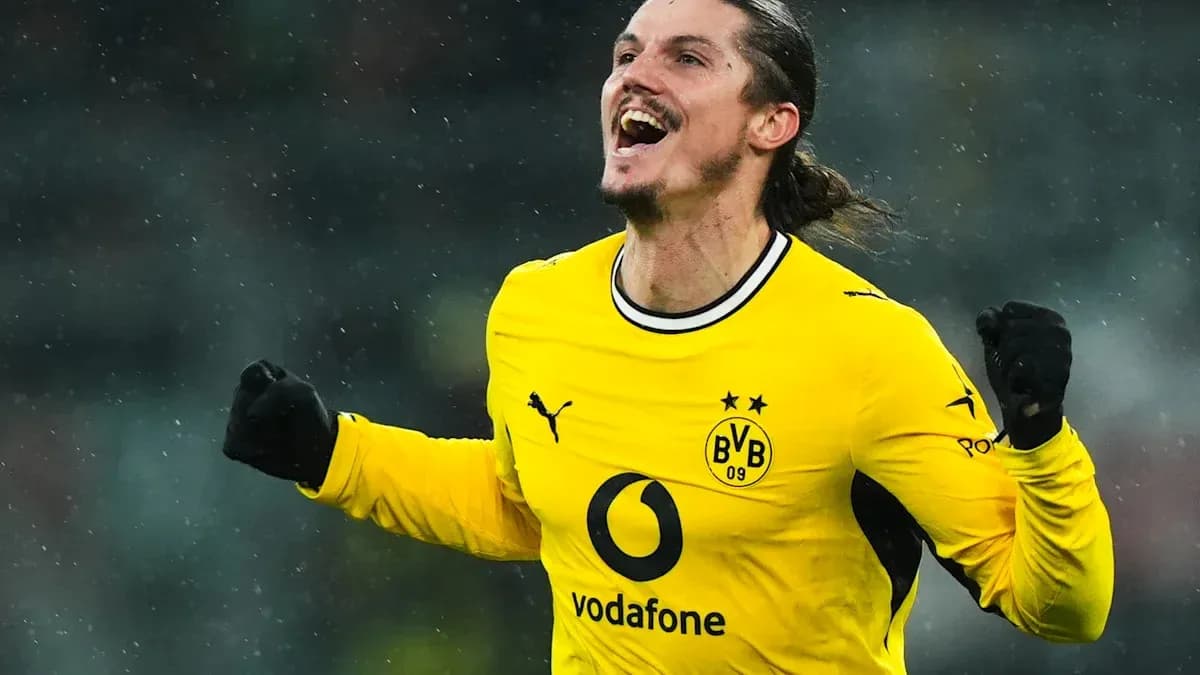
The title race in Germany has forgotten how to breathe. Seasons have been decided early, tension has drained away by spring, and Bayern Munich or Bayer Leverkusen have walked to the podium with barely a wobble.
Niko Kovac wants that to change, and he thinks Saturday night at the Allianz Arena might be where the story turns.
“Der Klassiker” returns with Bayern and Borussia Dortmund level on points, both staring at the summit. “At last, an exciting clash,” Kovac said before heading back to his old stomping ground in Munich. “It's not just us—everyone in Germany is looking forward to this game.”
He is not wrong. A genuine duel at the top is exactly what the Bundesliga has been missing. The last time the country truly held its breath was more than three years ago, when Dortmund let the title slip against Mainz on the final day, in their own stadium, with everything laid out for a coronation.
That collapse shaped what came next. In the summer that followed, Dortmund went shopping for mentality. They paid Bayern €19 million for Marcel Sabitzer, a man with two Bundesliga titles in his suitcase and a reputation for edge and experience.
A signing meant to change the ending.
The promise and the reality
Sabitzer said all the right things when he arrived in the Ruhr. He wanted to help BVB hit their targets, to bring back nights of celebration for a fan base that lives for them. Sebastian Kehl, then sporting director, talked him up as a pillar of the team, a personality to tilt tight games in Dortmund’s favour.
For a while, that script held.
Sabitzer became central to Dortmund’s improbable run to the Champions League final in 2023/24, especially as the season wore on. The quarter-final second leg against Atlético Madrid stands out: a wild 4–2 win, with the Austrian involved in three of the goals, driving BVB into the last four with the kind of authority they had bought him for.
Since then, the picture has blurred. At 32, Sabitzer has slipped from guaranteed starter to impact option. The bench has become his usual vantage point. Some Dortmund fans have turned on him, loudly and often, unimpressed by performances they see as too cautious, too quiet for a player signed to lead.
Reports have followed. His contract runs to 2027, but in recent days talk has intensified that he may not see out that deal. According to Sky, Dortmund are leaning towards a younger core, players with more scope to grow and more resale value down the line.
On paper, that leaves Sabitzer drifting towards the exit.
On the pitch, he is not going quietly.
A last-second reminder
Tuesday night in the DFB-Pokal against Werder Bremen felt like a microcosm of Dortmund’s recent years: a comfortable 2–0 lead, a loss of control, panic seeping into the stands as extra time loomed. Another self-inflicted drama, another chance to waste.
Then, with the clock almost gone, Sabitzer stepped up.
A direct free-kick. Last kick of the game. Straight in.
Signal Iduna Park erupted. Dortmund into the round of 16. The veteran, so often a target, suddenly the hero at the very last second.
“He has an incredible foot, an incredible shot,” Nico Schlotterbeck said afterwards, clearly delighted for his teammate. “I think Sabi really deserved that after the last few weeks and months, when he's often been unfairly criticised.”
Sabitzer drank it in. The noise. The release. The feeling that, for once, the story belonged to him. “This stadium thrives on emotion,” he said. “Quite a few stories have been written here.”
On Tuesday, he wrote another.
Back to Munich, back to the spotlight
Now comes a different kind of stage. No Yellow Wall, no black-and-yellow cauldron. On Saturday, Dortmund walk into the Allianz Arena, into Bayern’s territory, into Sabitzer’s old home.
He will likely start where he has grown used to starting: on the bench. Others will carry the tactical plan, the pre-match headlines, the early scrutiny.
But ignoring him would be a mistake.
“Somehow, he's the man for the big goals,” Schlotterbeck summed up, thinking back not only to Bremen but also to Atlético, when Sabitzer’s long-range strike booked Dortmund’s place in the Champions League semi-finals. When the stakes rise, he has a habit of appearing in the frame.
That is the paradox of his Dortmund career so far. Not always convincing week to week, yet present at the hinge moments. Not the constant leader they hoped for, but often the man with the decisive touch when the season bends one way or the other.
If there is to be a real title race again, if this Klassiker is to be more than just a glamorous one-off, Dortmund need players who can change nights with a single action. Sabitzer has just reminded everyone he still belongs in that category.
Maybe he does it again in Munich. Maybe he walks back into the Allianz Arena and nudges his current club to the top of the table, at the expense of his former one. If he does, the conversation around him shifts instantly: from expendable veteran to essential figure in a genuine push for the crown.
And then the question over 2027 won’t be about his departure, but about how long Dortmund can afford to keep a man who still writes himself into the biggest scenes.





