NBA Fantasy Outlook: Chaos in Locker Rooms After Major Trades
The NBA has turned inside out. Giannis Antetokounmpo in Miami. LeBron James in Philadelphia. LaMelo Ball in Minnesota.
What’s left behind is chaos in a handful of locker rooms — the kind of chaos that decides both seasons and fantasy titles. Rotations are wide open, roles up for grabs, and in a High Score format that only cares about a player’s best night each week, volatility is a feature, not a flaw.
Here’s where the uncertainty is loudest.
Milwaukee Bucks: A New Backcourt, A New Identity
Milwaukee didn’t just pivot this summer. It tore down the old blueprint.
Antetokounmpo’s departure to Miami reset everything, and the return package made that clear: youth, upside, and a guard who’s going to have the ball a lot. Tyler Herro walks in as the primary scorer, the likely leader in usage and the clear favorite to start at shooting guard.
Next to him, Ryan Rollins is the quiet engine of the rebuild. Last season he went from curiosity to cornerstone: 17.3 points, 4.6 rebounds, 5.6 assists, 1.5 steals, 2.5 threes. At 24, he fits the timeline and the direction. He also fits the profile of a guard who can spike a week in High Score all by himself.
Behind that starting pair, the depth chart is less a hierarchy and more a runway.
Kevin Porter Jr. brings a 24.3% usage rate and the kind of ball-dominant game that produces wild swings. He may frustrate coaches, but in a format that only cares about his best outing, he’s dangerous. One hot shooting night and he breaks a matchup.
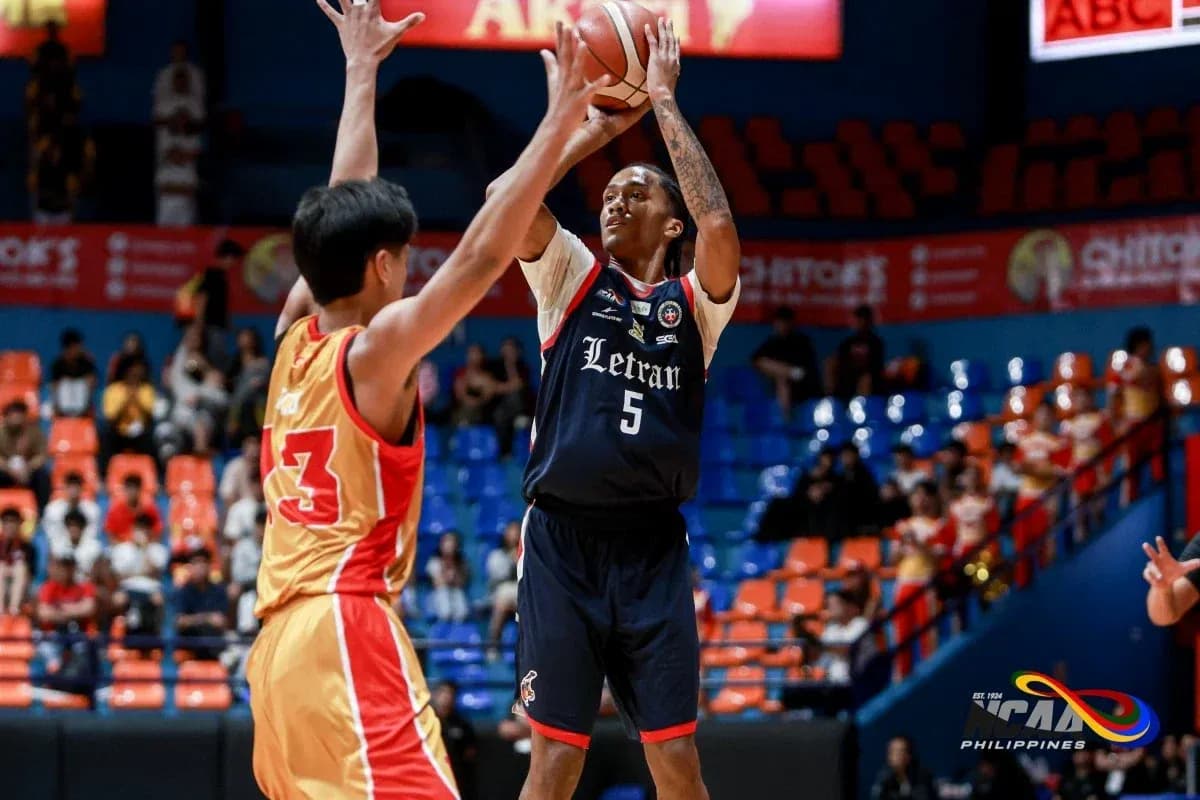
Then there’s Brayden Burries, the 10th pick and clearly a long-term bet. Rebuilding teams don’t draft players like that to watch them sit. Expect mistakes. Expect growing pains. Expect minutes anyway. Kasparas Jakučionis, the 20th pick a year ago and part of the Heat haul, adds another layer of intrigue.
If you’re forced to choose one reserve late, Burries is the play. The organization has every incentive to let him learn in real time. Porter, though, is the ceiling swing — the kind of streak scorer who might give you one 30-point eruption that makes his entire week.
Milwaukee’s backcourt won’t be tidy. It will be loud. That’s exactly what you want here.
Boston Celtics: Two Big Men, One Crucial Balance
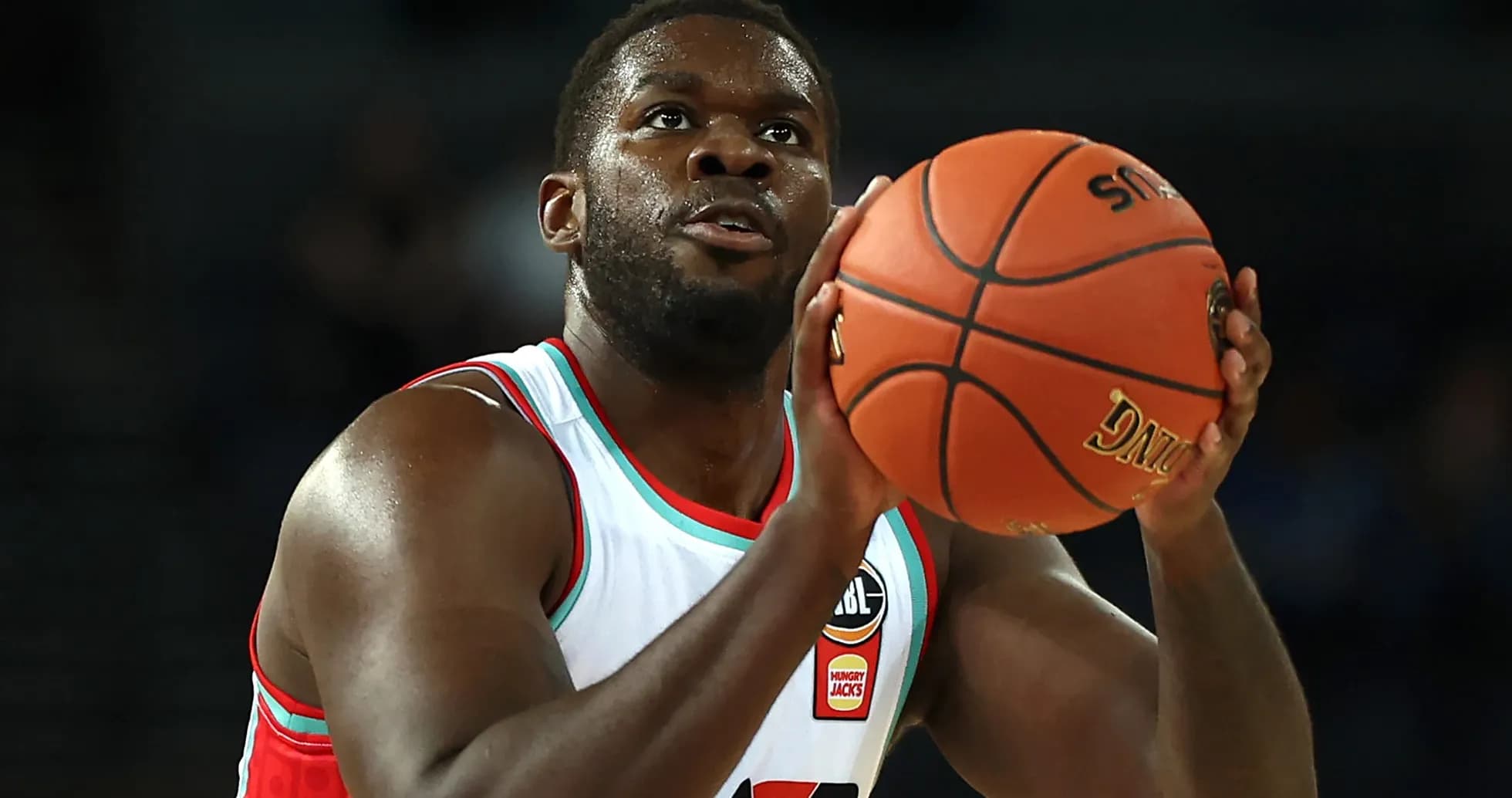
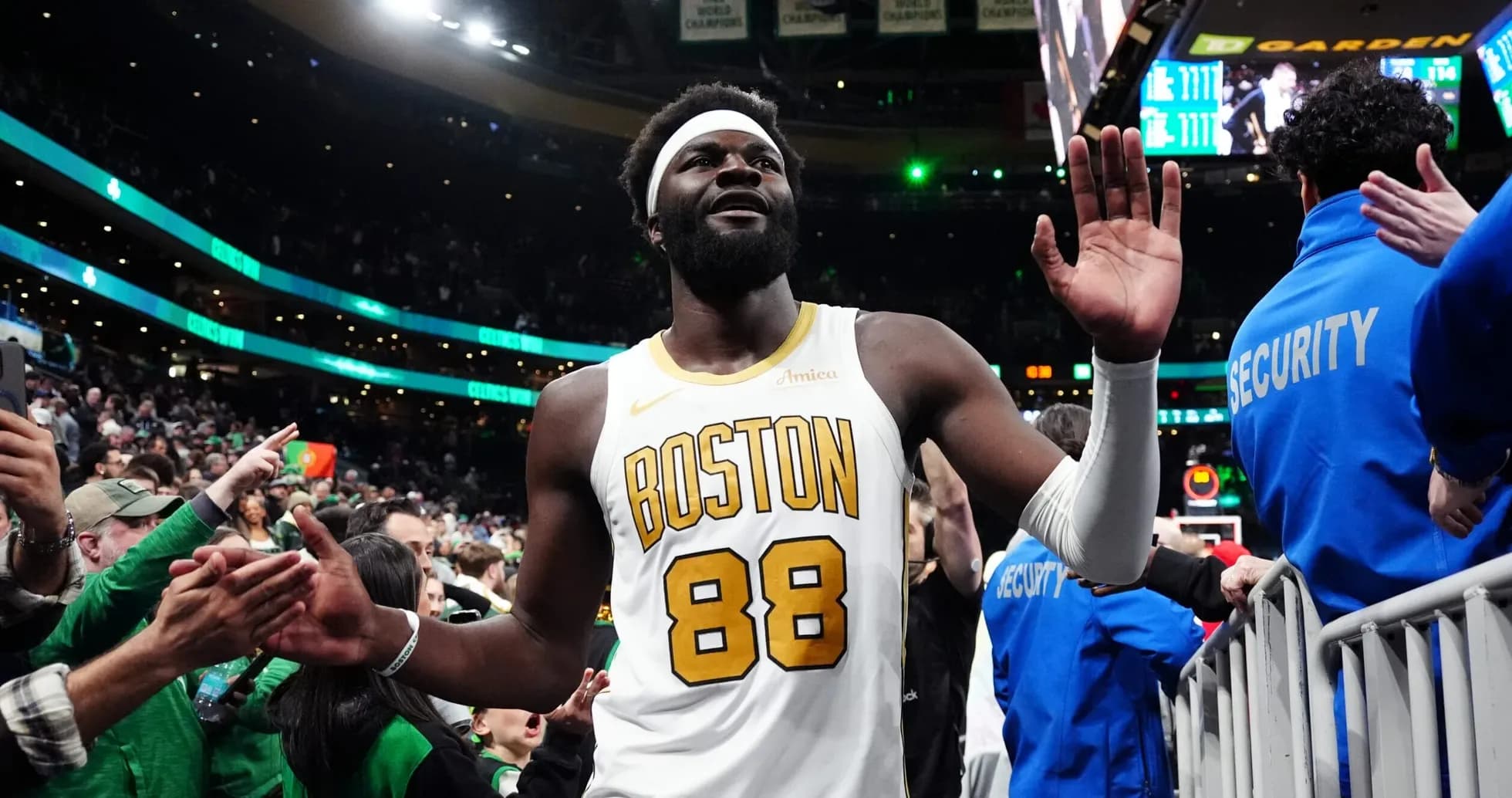
Boston spent last season juggling expectations and health, with Jayson Tatum working back from a torn Achilles and the center spot more patchwork than plan. Neemias Queta grabbed the opportunity and held it, anchoring the middle as the Celtics surged to one of the East’s best records.
The front office still wanted more. At the deadline, they took a swing on Nikola Vučević. The fit never really landed in a short window, and he’s already gone.
Enter Mitchell Robinson.
Stolen from New York, Robinson brings elite rebounding and shot-blocking, along with a history that demands careful management. The Knicks solved him by keeping his minutes tight — under 20 per game in each of the past two seasons — and letting him play at full throttle in short bursts. Boston has every reason to borrow that script, maybe even bringing him off the bench to preserve his legs.
Even so, the math changes here. On this roster, 25 minutes a night feels realistic. That’s more than enough. A 14-rebound, three-block outing is 23 High Score points before he even sees the ball on offense. In this scoring system, that’s gold.
Queta doesn’t vanish in this equation. He proved he can handle the job, and Boston trusts him. In ten-man fantasy formats, you can comfortably roster one of them and cycle the other through a Utility slot, riding matchups and hot streaks.
The Celtics don’t need a traditional “starter” at center. They need 48 minutes of control at the rim. Between Robinson’s violence on the glass and Queta’s steady presence, they might have it.
Charlotte Hornets: A Crowded Paint After a Franchise Shake-Up
Charlotte surprised people last season, scrapping its way into the Play-In behind LaMelo Ball, Brandon Miller and Kon Knueppel. That kind of progress usually earns a front office a quiet summer.
The Hornets chose chaos instead.
Ball is gone to Minnesota. Miles Bridges shipped to Phoenix. The franchise hit fast-forward on a reset, and the ripple effect is clearest at center.
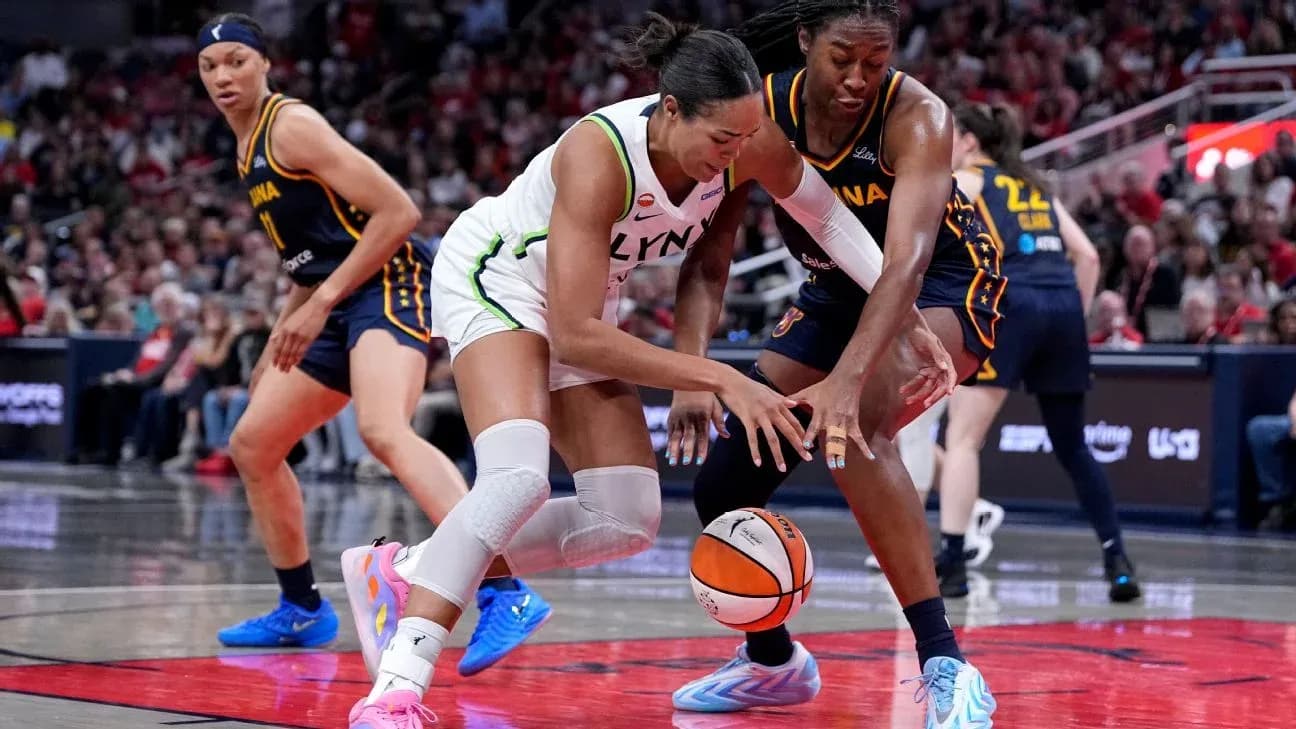
Moussa Diabaté was one of last year’s best stories in Charlotte — relentless motor, elite rebounding, constant activity. He gave the Hornets a pulse in the paint. But they wanted more scoring from the frontcourt, and Naz Reid delivers that in bold ink.
Reid arrives from Minnesota as a proven stretch big who can play both power forward and center. He spaces the floor, scores inside and out, and fits next to almost any lineup combination. Expect him to start at power forward, then slide to the five in smaller units. For fantasy, he’s a straightforward frontcourt starter: volume, versatility, and a clear role.
Behind him, the future gathers.
Hannes Steinbach, taken 14th in the draft, comes off a monster college season at Washington: 18.5 points, 11.8 rebounds, 1.2 blocks. Those numbers don’t guarantee anything at this level, but they explain why Charlotte invested. Ryan Kalkbrenner, a second-rounder from 2025, is still in the frame as well.
Diabaté now lives in the gray area. His minutes could swing night to night as the Hornets test combinations and try to understand what this new core actually is. Steinbach, by contrast, owns the long runway. If he carves out more than 20 minutes a game, he becomes a factor in 12-team and deeper leagues, and his best night in any given week could mirror a starter’s line.
Reid is the constant. Everyone else is auditioning around him.
Memphis Grizzlies: Life After Ja and a Five-Man Fight
Memphis finally cut the cord.
Ja Morant is in Portland now, traded to the Trail Blazers for Jerami Grant and Kris Murray. The move gives the Grizzlies a proven scorer and a flexible young forward, but more than that, it hands the keys of the future to Cameron Boozer, the third pick in the 2026 Draft.
The frontcourt feels settled enough. Boozer and Zach Edey form a towering, intriguing pairing. The real battle is on the perimeter.
Scotty Pippen Jr. and Ty Jerome will scrap for point guard minutes. Jerome can also slide to shooting guard, where he joins Cedric Coward and Walter Clayton Jr. in a crowded mix. Cam Spencer, who quietly averaged 11.1 points and 5.6 assists in just 24 minutes per game last season, refuses to be an afterthought.
Coward, drafted 11th in 2025, has organizational backing. Expect Memphis to give him every chance to claim the starting shooting guard job. Spencer proved he can run an offense when injuries crushed the backcourt last year, and with Pippen limited to just 10 games, he kept the system afloat. A healthy Pippen should reclaim the starting point guard role, with Jerome as the primary backup across both guard spots.
That’s five guards for two starting jobs and a handful of meaningful bench minutes.
In a standard fantasy league, that’s a headache. Minutes capped under 30 for everyone, ceilings lowered across the board. In High Score, it’s a different story. You only need one of them to spike each week, and with this much talent rotating through, someone almost always will. Spencer’s 5.6 assists alone translated into more than 11 High Score points per night last season.
All five are late-round targets. Here, though, they’re the right kind of late-round targets — volatile, high-variance players in a system that rewards exactly that.
New Orleans Pelicans: Three Centers, One Big Question
New Orleans stared down a rough 2025-26 and chose continuity with a twist.
The Pelicans reportedly added Bennedict Mathurin, are banking on a full, healthy season from Dejounte Murray, and brought back DeAndre Jordan on a two-year, $7.9 million deal. Jordan’s value now is measured less in box scores and more in what he gives a young frontcourt behind closed doors.
On the floor, the center rotation is crowded and complicated.
Derik Queen flashed real promise when given extended run last season. Yves Missi remains firmly in the picture. Herbert Jones, nominally a wing, ended the year as the starting center and made it work with his defense and instincts.
Jones is not a volume scorer. He doesn’t need to be. Nearly two steals and a block per game is nine High Score points from defense alone, before he hits a shot. That kind of floor is rare.
For the long-term view, starting Queen next to Zion Williamson makes sense. The Pelicans need to know if that pairing can grow together and drag this team back toward the postseason. Queen brings size, touch and upside that New Orleans can’t ignore.
Still, Jones opening at center again is a very real possibility, and Missi should carve out minutes regardless of who hears their name first on opening night. The three of them will share the position, and that timeshare keeps their week-to-week floors modest.
Queen is the swing. He carries the most upside, the widest range of outcomes, and the clearest path to a breakout if the coaching staff leans into development. All three are late-round dart throws, the kind that make sense in a format where you only need one big night, not a full season of safety.
The Pelicans have options. What they don’t yet have is clarity. That answer will shape not just their season, but the way fantasy managers attack this frontcourt all year long.