NBA Focuses on Stricter Calls for Push-Offs, Flopping in 2026-27 Season
NBA Targets Four Key Areas for Tighter Officiating in 2026-27
As the new NBA season kicks off, attention is on several specific issues that league officials want to address more strictly. Players, coaches, and referees are all honing in on these particular challenges to ensure a fair balance between offense and defense.
Four Main Points of Emphasis
- Off-arm push-offs: Offensive players using their arms to push defenders away and create shooting space.
- Two-hand shoves during screens: A focused crackdown on certain types of illegal screening involving forceful two-handed pushes.
- Freedom-of-movement violations: Defenders grabbing or clutching offensive players off the ball to slow them down.
- Straight-line pathway plays: Contact created by drivers or defenders in attempts to block shots or draw fouls.
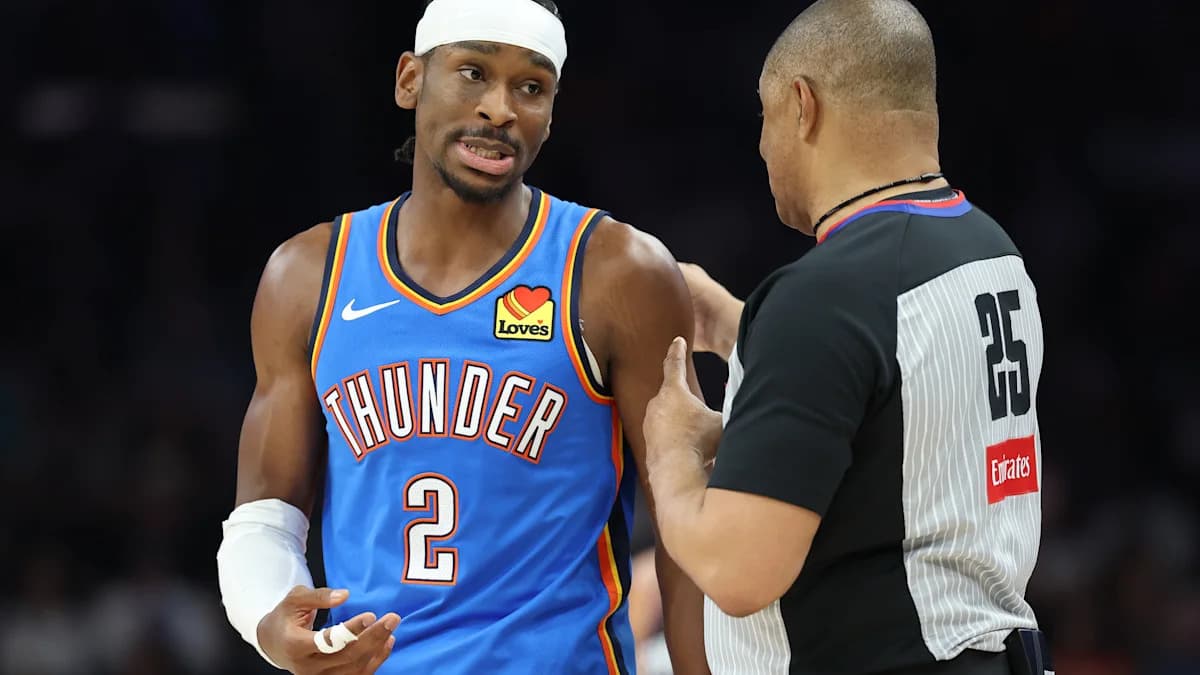
Monty McCutchen, NBA's head of referee development, explained that push-offs will be judged by what he calls the "four Fs." If a player is simply feeling out a defender with mostly leg work, it's allowed. But if there's a deliberate full extension of the arm to create space, referees will whistle the foul.
"The competition committee was really clear: Get rid of the full extensions," McCutchen said. "We have a high expectation to clearly identify those."
The challenge lies in how subjective the calls can be, as what one official sees as firming up, another might view as forceful contact. Early-season meetings with the competition committee aim to help referees find a consistent standard as the season goes on.
"There were too many plays last season where a push-off was called one night but not the next," McCutchen noted. "We have to get more consistent here. And we will."
Stricter Measures Against Flopping
The league plans a tougher stance on flopping, a problem that has frustrated players, coaches, and fans alike. Officials will apply the STEM criteria to judge whether a player’s exaggerated movements—such as excessive arm flailing or dramatic falls—are attempts to deceive referees.
James Jones, NBA head of basketball operations, said, "Coaches, players, fans — they don’t like it. We don’t like it. It’s not good for our game."
Referees must penalize clear flops while still recognizing legitimate contact before any theatrical reaction. McCutchen emphasized the need to avoid ignoring an offensive foul just because a flop happened.
"Both can be true," McCutchen said. "We can call an offensive foul and also recognize secondary, theatrical movement."
He also clarified that simple head snaps alone won’t count as flops, a note likely welcomed by players known for such moves.
Screening and Strength
The league is paying close attention to screening tactics, especially with more guards setting screens in today’s positionless style. Some screens have involved illegal use of arms to shove defenders, creating unfair advantages.
Jones remarked, "Rather than using their bodies, guard screeners were pushing with their arms and gaining an edge that defenses couldn’t overcome."
McCutchen added that basketball should emphasize positioning and quickness over brute strength.
"We never want strength to override the other skills that make our game beautiful," he said.
Adjustments and Referee Relationships
The start of the season usually sees more fouls called as players adjust to new officiating emphasis. Still, players adapt quickly within each possession, making rapid micro-adjustments to their play.
Jones observed, "NBA players are great at testing boundaries and adjusting within 24 seconds."
Officials are encouraged to communicate clearly with players, especially younger referees, to avoid perceptions of arrogance or unapproachability.
"No answers is not acceptable," McCutchen stressed. "We must build trust through consistent and clear calls."
Although perfection is unlikely, improving consistency could reduce errors significantly.
"If we’re making fewer inconsistent errors, we’ll get better at our work," McCutchen said.
Ultimately, better officiating lets players compete fairly and showcase their talents.
Jones concluded, "It just allows our players to go out there and compete, giving lasting, compelling moments for everyone."