Moses Itauma's Lesson Against Filip Hrgovic
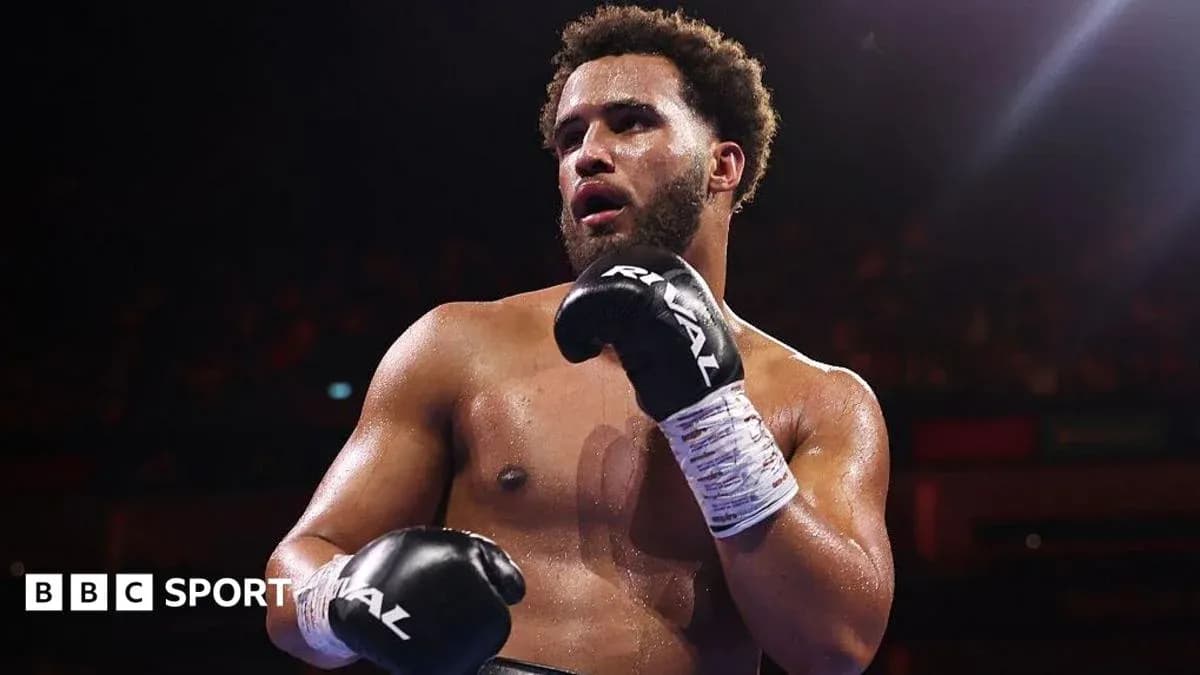
Moses Itauma used to walk into gyms in his school uniform and embarrass grown men. On Saturday night at the O2 Arena, the roles flipped. The lesson finally arrived.
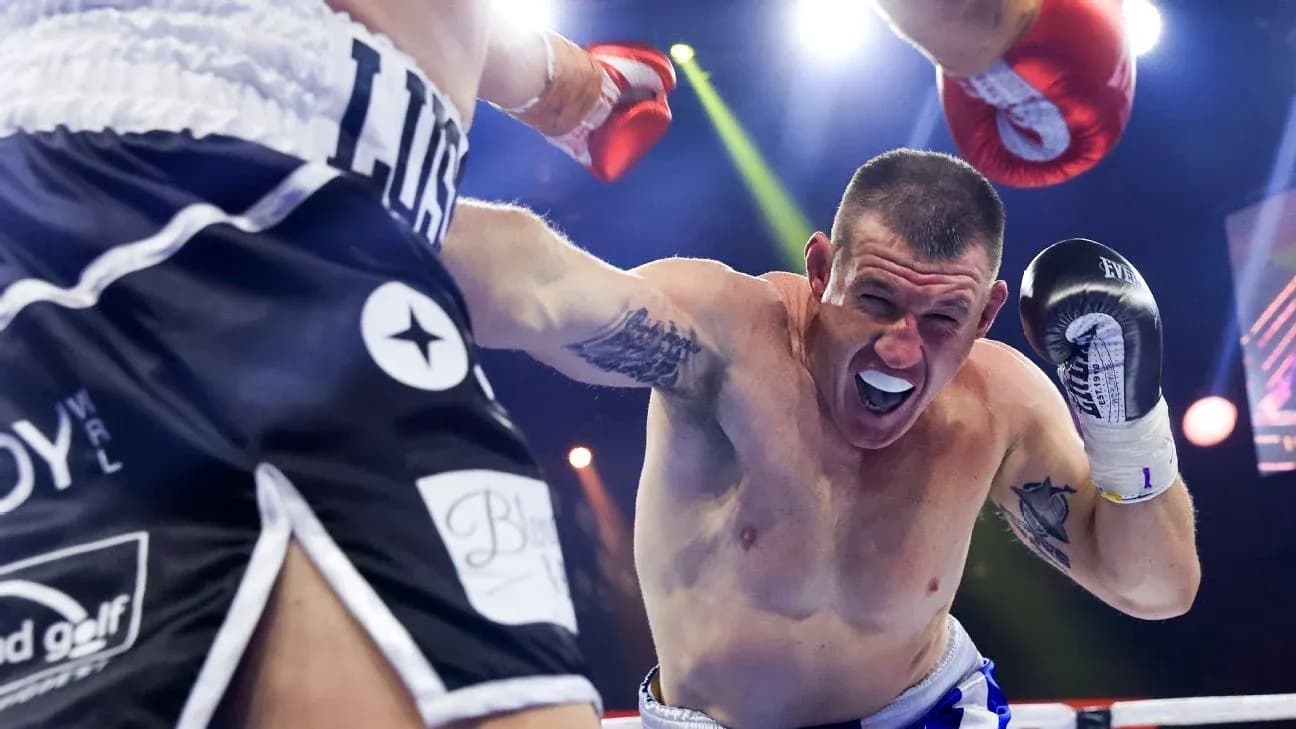
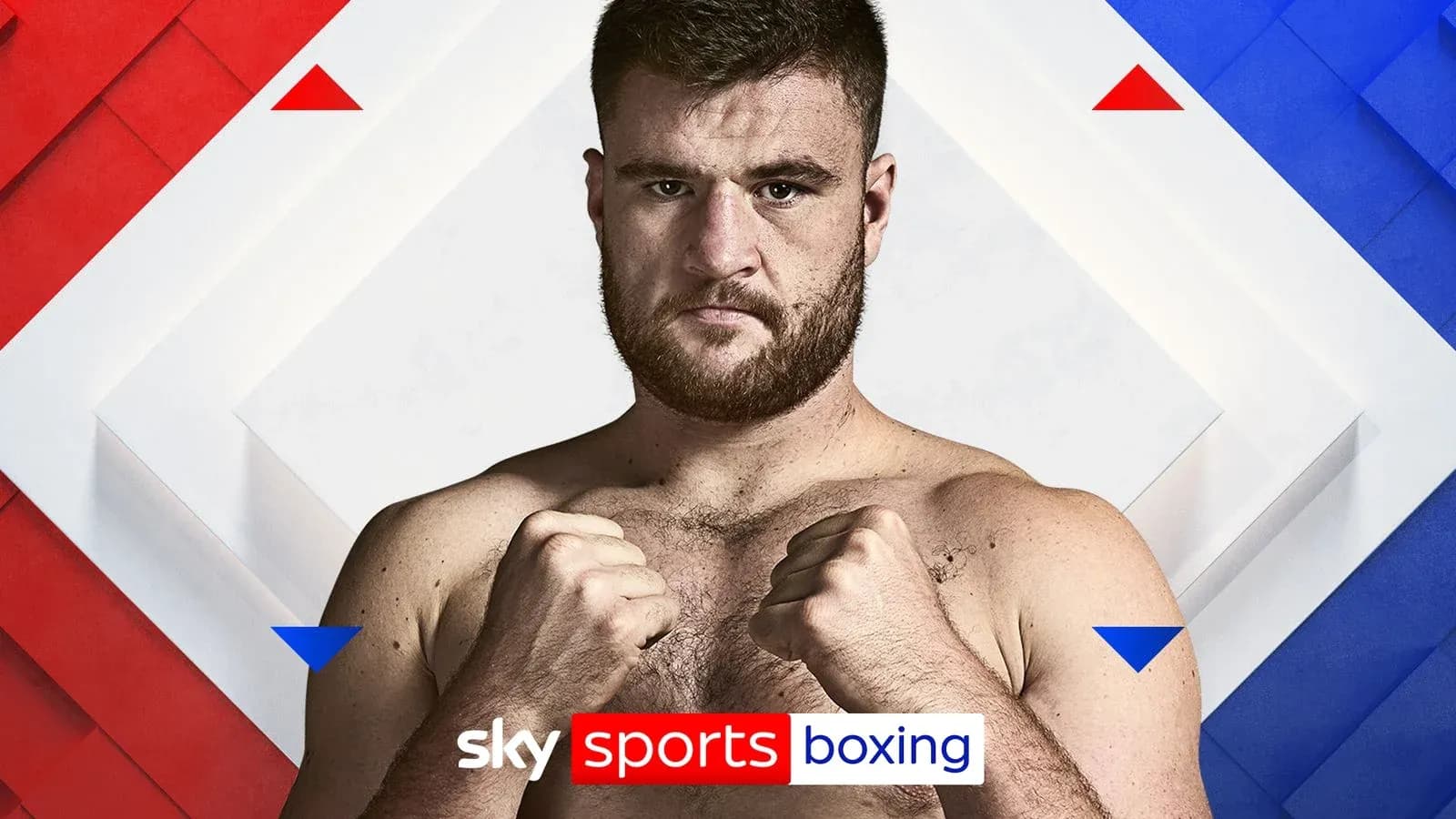
The 21-year-old Briton dazzled in flashes but emptied his tank too early, and Filip Hrgovic – all scar tissue, patience and hard miles – dragged him into deep water and kept him there. By the ninth, with Itauma running on fumes and his body unravelling, the corner threw in the towel as the referee waved it off. The vacant IBF heavyweight title went to Croatia.
For long stretches, though, it didn’t look like that kind of story.
Itauma started like the fighter everyone had been talking about. Quicker. Sharper. More inventive. The left hand found Hrgovic again and again. He stepped in, stepped out, made the 34-year-old look old and heavy-legged. This was the gifted kid the insiders rave about, the one many believed would stroll to a world title before he was old enough to rent a car.
Yet even as he banked rounds, something felt off. His mouth hung open a little earlier than it should. The bounce in his legs faded. His punches lost snap. The talent was winning the exchanges; the clock was winning the fight.
Hrgovic didn’t need to do anything dramatic. He just stayed there.
This is a man who has already gone 12 brutal rounds with Zhilei Zhang, an Olympic bronze medallist who knows what it is to be hurt, to be exhausted, to still be standing when the night turns nasty. Against Daniel Dubois, his only defeat, he was ahead on two of the three cards when cuts ended his challenge. He has lived the kind of nights Itauma had only read about.
So he waited. He let the younger man pour out his brilliance and his energy, knowing that both would eventually run dry.
When it was over, the image was jarring. Itauma, beaten for the first time in 15 professional fights, leaving the arena on a stretcher and heading to hospital.
"It's precautionary that he's gone to the hospital. That's what we always do to make sure because the most important thing is the boxer's health," promoter Frank Warren said. "He's done something to his leg as well and he was quite tired. It was a high paced, fast fight for both the guys."
This was not the night a hype job got found out. Itauma’s boxing underlined that he belongs in this company. What it exposed was the gap between world-level ability and world-level readiness: the conditioning, the nous, the small acts of self-preservation that carry a fighter through 12 rounds for a major belt.
Mind Games and a Young Man’s Burden
Hrgovic didn’t win this title with mind games alone, but he certainly didn’t waste fight week.
He hammered away at Itauma’s age, labelling him “just a kid” at every opportunity. The message was relentless. As the days went on, the barbs seemed to bite. At the weigh-in, Itauma snapped, shoving Hrgovic, who replied with a slap. The veneer of calm cracked.
Itauma has always sold himself as a different kind of heavyweight – one who reads psychology and self-help books, who speaks about sharpening his mind as much as his jab, who dissects himself in a way most 21-year-olds never do. It’s part of his appeal.
But deep thinking has a darker twin: overthinking. Anthony Joshua has worn that accusation for years. Itauma flirted with it this week.
Once the bell rang, his intentions were obvious. He wanted to end it early. To not just win a world title, but to blast his way to it.
"Someone said to me he doesn't feel like he'd win a world title unless he knocks him out. I didn't like that," Warren admitted afterwards.
The urge made sense. Itauma had steamrollered opponents so far. Why change? Because this wasn’t a prospect showcase any more. This was Filip Hrgovic for the IBF heavyweight title.
Plenty, it seems, underestimated the Croatian. Itauma. Pundits. Former fighters. Bookmakers who made the Briton a heavy favourite. The résumé was there in plain sight: Olympic bronze, wars with giants, rounds in the bank at the highest level. Hrgovic walked in knowing exactly what it feels like when a fight turns ugly and long. Itauma did not.
The Eighth-Round Gamble
The eighth round told the whole story in three minutes.
Sensing the tide turning, Itauma emptied what was left of the tank. He threw more punches than in any other round, chasing the finish that had eluded everyone who had tried to remove Hrgovic before. It was thrilling, reckless, and revealing.
"He was throwing too much. He was fighting like an amateur," Hrgovic said. "I knew I needed to endure it. I need to stay there. He will get tired and I'll get him in the later rounds."
The older man stayed true to his plan. The younger man burned himself out chasing the perfect ending.
Questions now fall on Itauma’s preparation. Before the fight, he admitted he had never even sparred 12 rounds. In the ring, it showed. He had never previously gone beyond six as a professional, and his conditioning simply wasn’t calibrated for a championship distance.
That responsibility does not sit with him alone. He has an experienced team, trusted to ready him for exactly this kind of night. They believed his talent could bridge the gap. It didn’t.
What Remains After the Aura Breaks
Strip away the result and a few key truths remain.
Itauma’s skills translated. The speed that shredded lesser opponents still troubled a genuine world-level heavyweight. Hrgovic looked slow at times, made to miss and made to think. There was no single shot that exposed a fragile chin; Itauma took heavy punches and kept firing back. His ceiling still looks high.
Hrgovic’s advice afterwards cut straight to the heart of it.
"Don't give up. Don't lose confidence. Get a few easy fights, easy wins. Build again and learn off these mistakes. You can't box like an amateur. It's a 12-round fight, you need to pace yourself."
Warren remains adamant that Itauma is one of the most exceptional talents he has promoted, and he has a recent case study to point to. Daniel Dubois rebuilt from painful setbacks to become a two-time world champion. That path exists.
British boxing, though, also remembers the other route. David Price once carried a similar weight of expectation. Successive defeats chipped away at his aura until it never truly returned. When the spell breaks, not every fighter finds a second act.
From now on, every Itauma performance will be inspected. How he breathes in the middle rounds. How he paces himself. How he reacts when a man doesn’t fall over. The invincibility has gone. In its place is something more fragile, but perhaps more compelling.
The schoolboy who used to stroll into gyms and school grown men has finally been taught a lesson. The next test is far harder: what does he do with it?