Moses Itauma's Heavyweight Lesson: Talent vs Preparation
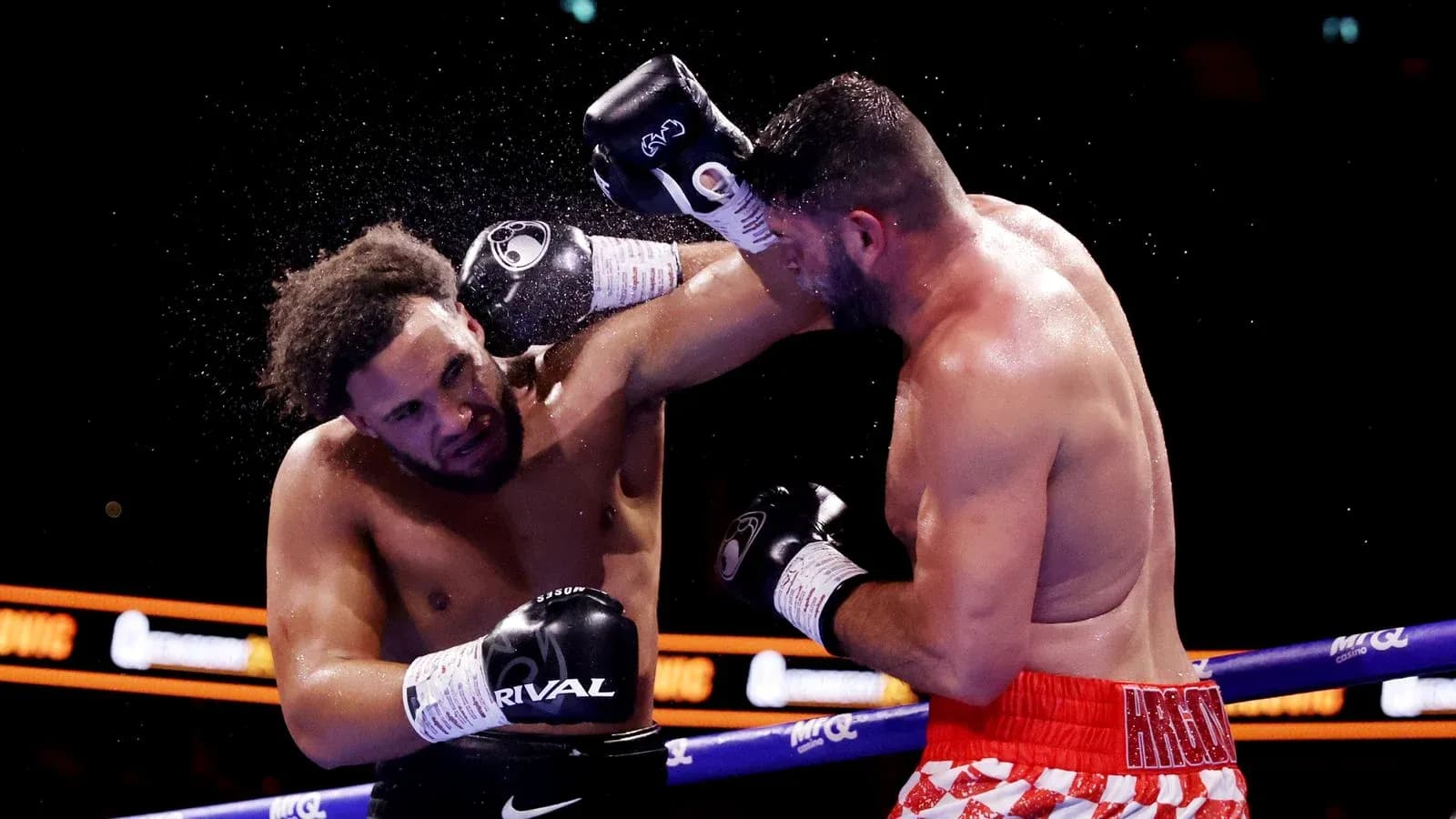
Moses Itauma walked into the ring as the future of the heavyweight division. He left it staring straight at boxing’s oldest lesson: talent without preparation is a gamble you rarely win at world level.
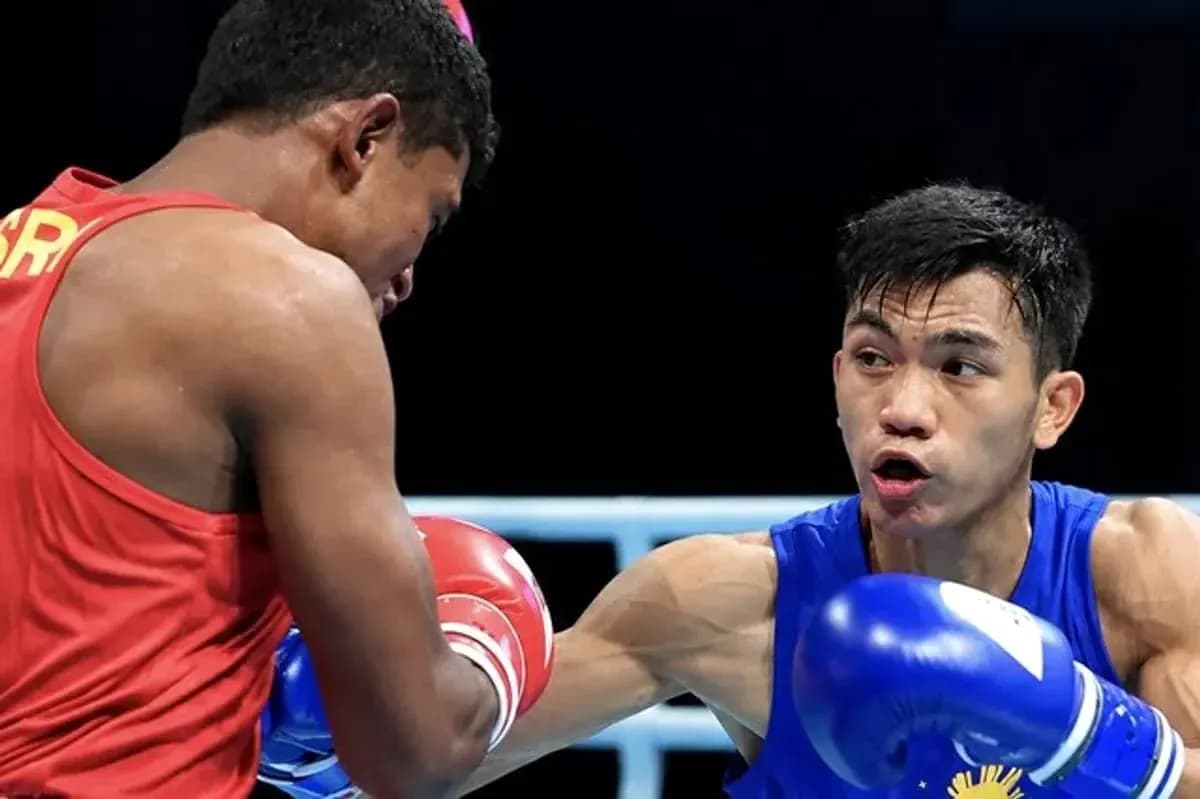
For eight rounds against Filip Hrgovic, the 21-year-old looked every inch the prodigy. Sharp, composed, in control. Then the tank emptied. Suddenly. Brutally. By the ninth, the favourite was out on his feet and stopped, his unbeaten record gone and his world title dream abruptly delayed.
In the days since, the punches have kept coming – this time in the form of questions about his preparation.
“Not doing 12 rounds… is crazy”
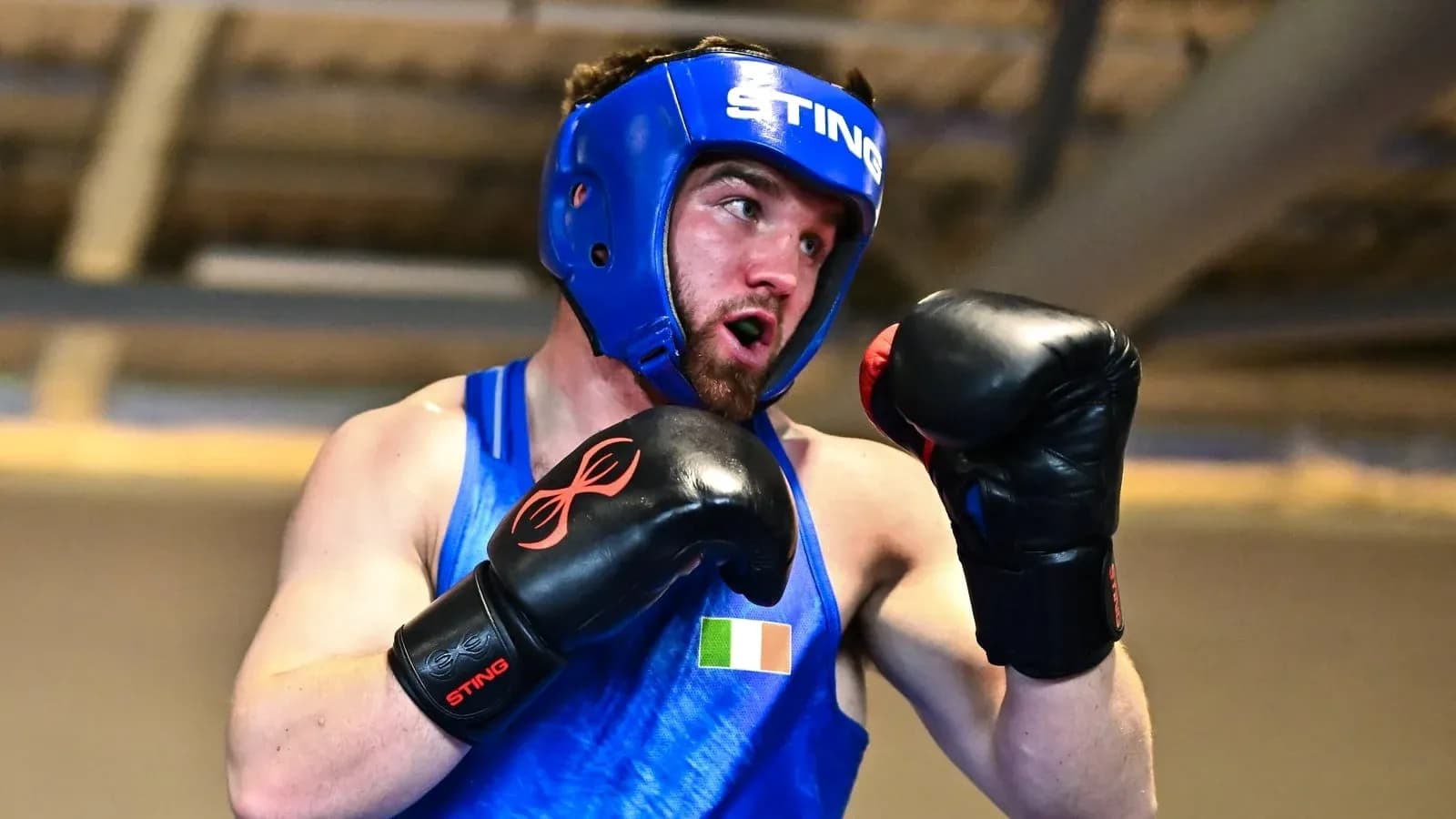
Delicious Orie watched it unfold with the eyes of a fellow big man and a student of the sport. What jarred with him came not from the fight itself, but from Itauma’s own admission beforehand: he had never sparred 12 rounds.
“It was experience,” Orie told Sky Sports. “If I was getting in a ring and knowing I’ve got 12 rounds ahead of me, I’m doing 15 rounds. For me, not doing 12 rounds going into a 12-round fight is crazy.”
He didn’t dress it up. Itauma boxed beautifully for long stretches, but the unraveling was slow and inevitable, not sudden. A young fighter cruising, then gradually sinking as the reality of championship distance closed in.
“I guess it’s each to their own. Moses boxed so perfectly but it was gradual rather than sudden. It goes back to experience. Hrgovic won that night because of it.”
The ninth-round collapse, Orie said, was the classic modern trap: a new generation obsessed with strength and conditioning numbers but not battle-testing themselves in the way that truly matters.
“He blew a gasket. This reminded me of new boxers in a new era taking strength and conditioning so seriously. You’ve got to find out about yourself before you get into the ring. You cannot learn on the job when it comes to professional boxing.
“I think he should have beaten Hrgovic. I wasn’t in his training camps, but we’ve all heard it. He didn’t spar enough; it’s as simple as that. Just because you can lift weights or run fast does not mean you can sustain a 12-round fight. It’s a completely different beast.”
A world title shot at 21 – too soon, or just harsh reality?
Itauma had been chasing history. Victory would have made him the second youngest man after Mike Tyson to win a version of the world heavyweight title. Until Hrgovic, he had stopped every opponent inside six rounds. That streak, that aura, helped push him into a world title fight before his 22nd birthday.
Some now argue he was rushed. Orie doesn’t buy it.
“I don’t think he was being rushed. I think that was a good step up with Hrgovic,” he said. The hype around Itauma has been loud, but Orie insists it didn’t define the fight. “I do think there was a lot of hype. I don’t think it would have had a massive impact on the fight. Itauma doesn’t strike me as someone who loves all that hype. He’s just a normal guy from Kent.”
For Orie, the real issue is not matchmaking but mindset in the aftermath. A first defeat at 21, in a fight of that magnitude, can feel like the end of the world.
“Frank will more than anybody else know what the best thing is to do,” Orie added, backing promoter Frank Warren to steer the rebuild. “I think his mindset is the question here. In his mind, his world’s fallen apart. What he does in the next one or two years will be the deciding factor in my opinion for the rest of his boxing career.”
“More Itauma beating himself”
Lightweight contender Sam Noakes, another Kent fighter with world title ambitions, saw the same story: a young man who didn’t lose because he was outclassed, but because he emptied the tank too early.
“I think it was more Itauma beating himself,” Noakes said. “With all the success he was having, I think he might have just gone a little too fast out of the blocks. He wasn’t out of his depth at all. It was more that he got tired and obviously Hrgovic capitalised on it.”
Itauma was taken to hospital after the fight, underlining the physical toll of that late collapse. For Noakes, the answer lies not in rewriting the whole career plan, but in acknowledging the gap in experience.
“If he’d done a 12-rounder before maybe it might have helped,” he admitted. “It’s all well and good in hindsight but he was blasting out serious level opponents. That was the next step for him. He just came up short in a world title fight at 21. That’s boxing unfortunately.”
It is the cruel paradox of a fast-rising knockout artist: the very dominance that earns the title shot can leave a fighter untested in the deep waters he must then swim in.
Time, scars, and the standard route to the top
For all the criticism of Itauma’s preparation, neither Orie nor Noakes see this as anything more than a brutal but familiar chapter in a heavyweight’s education.
“One thing Itauma does have is the greatest asset known to man: time,” Orie said. “21 years old, he has a lot of time in front of him and depending on his mindset, this is just the beginning. This is part of becoming a world champion.”
He pointed to the sport’s history. “We’ve seen it time and time again with the likes of David Haye and [Wladimir] Klitschko losing in their early to mid-20s. It’s the standard process.
“People just think it’s smooth sailing, you turn professional, you beat Mike Tyson’s record, you become world champion and retire into the sunset. Boxing doesn’t work like that unfortunately and we’ve seen it here.”
Noakes echoed that belief in a longer arc.
“The experience everyone was saying he lacked, he has now gained. When he comes back, he’ll be even better. As a fighter, the loss is terrible. It’s like the end of the world.
“My advice to him would be just get back in the mix as quick as you can and back onto that world title chase. I have no doubt the ending will still be the same; he’ll still be undisputed heavyweight champion.”
For now, the record shows a ninth-round TKO defeat and a dream interrupted. The real story will be written in the next few years: does Moses Itauma become another cautionary tale of a talent mishandled, or the latest heavyweight great who learned the hard way, once, and never made the same mistake again?