MMA Fighter Offered $500,000 to Fight a Chimpanzee
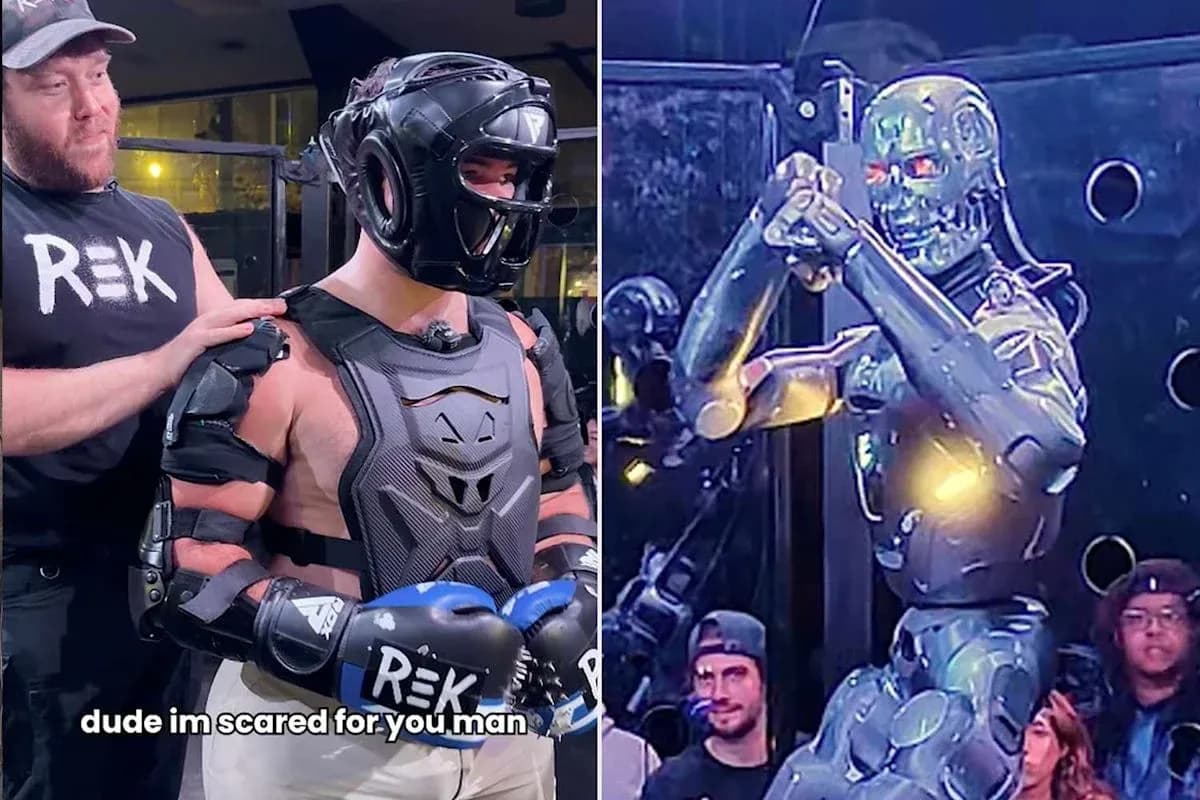
Cole “Wavy” Johnson thought he was making a joke.
Now he’s talking about half a million dollars, a countdown website, and the prospect of climbing into a cage with an adult male chimpanzee that keeps its teeth, its claws – and its instincts.
The 1-0 amateur MMA fighter from Minnesota has jolted social media by claiming he’s been offered more than $500,000 to fight a chimp in what would be one of the most surreal “combat” spectacles ever conceived. The idea started with a throwaway post: Johnson said he believed he could beat a chimpanzee in a fight. The internet did the rest.
The claim drew millions of views. Strangers slid into his messages with serious-sounding financial offers. One proposal, Johnson says, promised him $500,000 to travel to an undisclosed country for the bout. He backed away, deciding the person behind the offer didn’t seem trustworthy, and that deal reportedly collapsed.
Now, he insists, a different group has put even more money on the table. He hasn’t disclosed the figure. Somewhere online, a promotional website has appeared with a countdown clock ticking toward September 11, while social media chatter has spiralled into talk of a possible pay-per-view.
Event Description
What would that actually look like? According to Johnson’s own description, the chimpanzee would be an adult male, fully conscious, unsedated, and allowed to keep its teeth and claws. He’s claimed that handlers would stand by with tranquillizers in case the situation turned uncontrollable.
That single word – “uncontrollable” – hangs over the whole story.
Because for all the bravado, there is no independent confirmation that this event is real, sanctioned, or even logistically possible. Johnson has admitted the original claim was made as a joke. Reports around the supposed contest haven’t established it as a legitimate bout under any recognized commission or regulatory body. Right now, it lives in a murky space: part viral dare, part rumour, part ethical minefield.
The Danger
What isn’t murky is the danger.
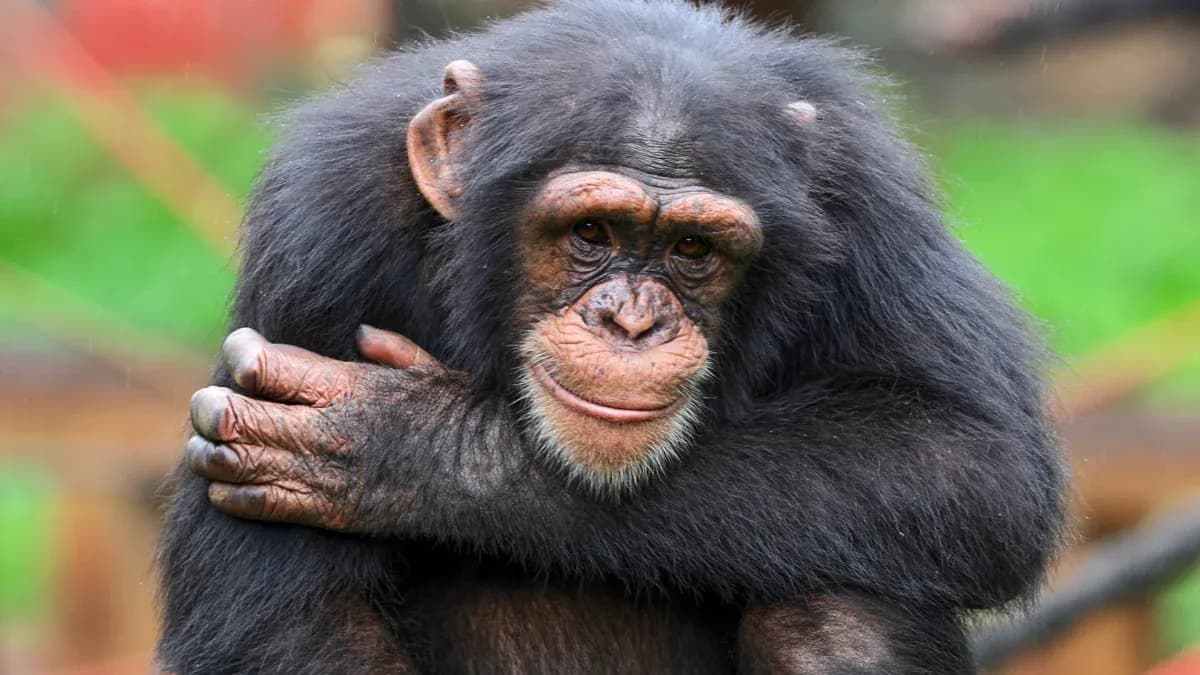
On paper, the matchup sounds like a question of skill. Could a trained MMA fighter outclass a chimpanzee in a fight? In reality, the problem is far more brutal. Combat sports are built on rules, weight classes, and shared understanding. A chimpanzee doesn’t care about any of that.
Research published in the Proceedings of the National Academy of Sciences found that chimpanzee muscle can generate roughly 1.35 times the maximum dynamic force and power of similarly sized human muscle. The same study reported that chimps carry a much higher proportion of fast-twitch muscle fibers, the kind that deliver explosive, violent bursts of movement.
They don’t punch like a boxer or shoot for takedowns like a wrestler. They bite. They rip. They grab and tear with hands that are exceptionally strong and built for climbing, grappling, and holding on.
Primatologist Kimberley Hockings has documented what happens when chimpanzees and humans clash in the real world. Her research into attacks in Bossou, Guinea, between 1995 and 2009 shows that “encounters” can end with devastating injuries. Limbs, faces, fingers – nothing is safe when a frightened or enraged chimp commits to violence.
Hockings has warned against boiling the risk down to a neat “X times stronger than a human” soundbite. The threat isn’t just raw strength. It’s the combination of powerful jaws, long canine teeth, crushing grip, and a style of aggression that doesn’t resemble a sporting contest at all.
That’s why the internet’s dark jokes about Johnson losing fingers or suffering catastrophic injuries sit uncomfortably close to genuine concern. This isn’t a mismatch in skill. It’s a mismatch in species.
An MMA fighter is conditioned to respect the tap, to release a hold when the referee steps in, to avoid eye-gouging, biting, and attacks to certain areas. A chimpanzee understands none of that. It doesn’t stop when a man taps. It doesn’t recognize a bell. It doesn’t know what “illegal strike” means.
Ethical Considerations
Strip away the circus framing and another question looms: what about the chimp?
Deliberately provoking a captive wild animal for entertainment cuts straight into the heart of animal welfare and legality. Any such event would have to navigate international laws, local regulations, and a wave of scrutiny from animal-rights advocates and sporting bodies. The idea of turning a chimpanzee into a pay-per-view opponent isn’t just dangerous for the human; it’s a stark example of treating a wild animal as disposable content.
For Johnson, the numbers being thrown around sound life-changing. A six-figure payday – maybe more – is exactly the kind of figure that tempts fighters who don’t yet have big-promotion contracts or steady purses. But the other side of the ledger is brutal: permanent injury, disfigurement, or worse.
Right now, the whole saga sits in a strange limbo between stunt and nightmare scenario. A viral boast has morphed into talk of contracts, countdowns, and tranquilizer guns. The money might be real. The danger definitely is.
The question is whether anyone involved is willing to treat that risk as entertainment.