Mixed Martial Arts Makes Historic Debut at Asian Games
NAGOYA — Once dismissed in the United States as “human cockfighting” and driven to the sporting fringes, Mixed Martial Arts has walked through the front door of respectability in Asia. This week in Japan, it steps onto an even bigger stage: the Asian Games.
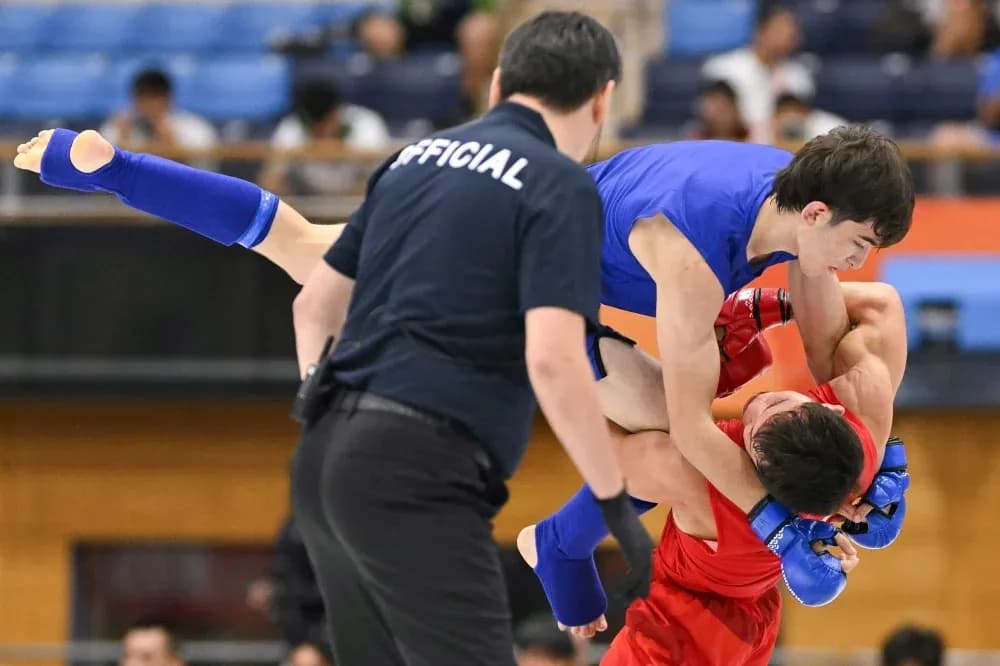
The setting is modest, almost understated. A compact gym that feels more like a school sports hall than a grand arena. No lasers, no booming walk-on music, no towering cage. Just a white-and-grey mat, a scattering of seats, and a crowd that leans in with every exchange.
On that mat, men and women from fight-obsessed nations — Thailand, Kazakhstan, the Philippines, hosts Japan and more — are trading leather and limbs in the sport’s debut at Asia’s showpiece event. For the people driving MMA’s global push, this week is far more than a one-off showcase. It is a proof of concept.
“A big step,” is how Galastein Tan, director general of the Federation of International Mixed Martial Arts, describes it. Not a flourish, not a victory lap. A step.
For Tan and his colleagues, inclusion in a continental multi-sport event is a hard marker of seriousness. It means a sport has cleared a series of invisible hurdles: governance structures in place, enough member nations on board, a reliable pool of athletes, standardised rules, trained officials. In other words, it looks and behaves like an Olympic sport.
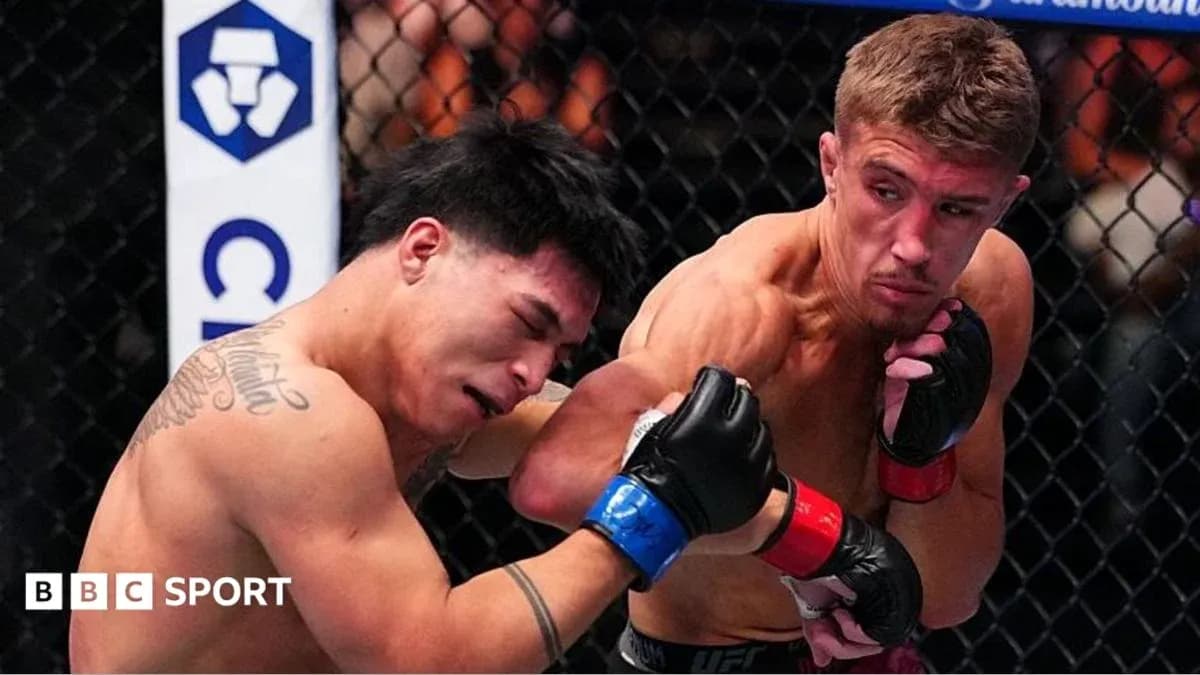
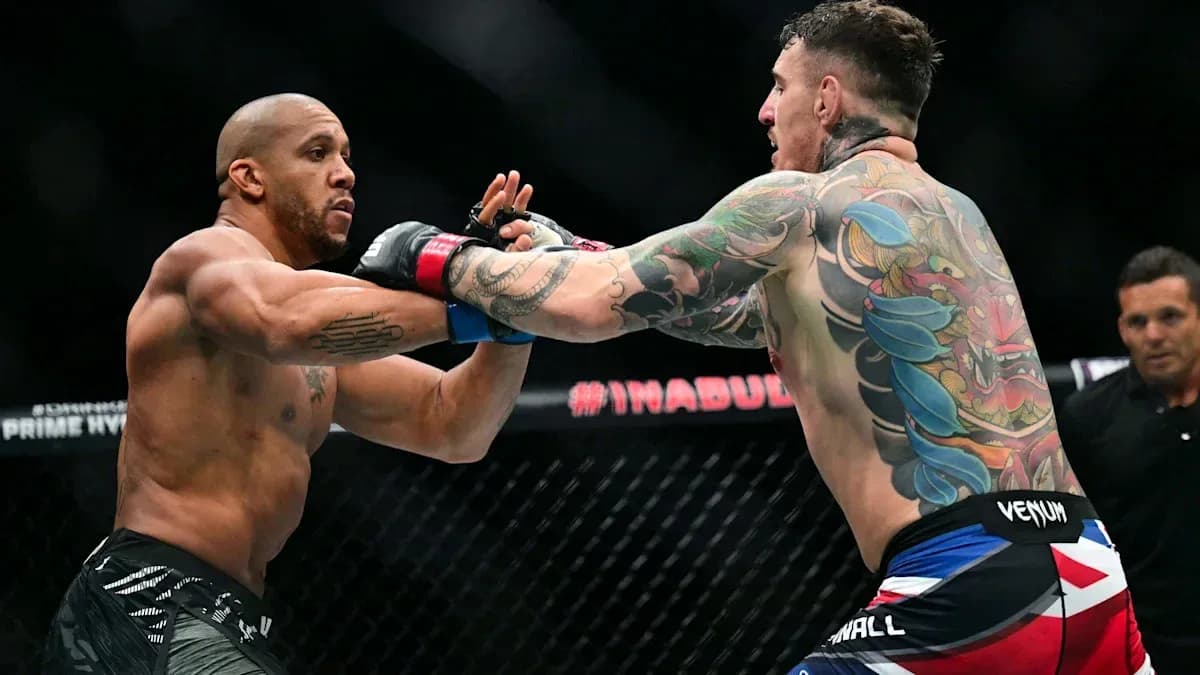
Here, MMA looks different from the version most fans know from the Ultimate Fighting Championship. The UFC has built a global empire on the image of fighters locked in a caged octagon, a visual that thrilled some and repelled others. At the Asian Games, the cage is gone. There are no metal bars to press opponents against, no fence to wall-walk up from.
For athletes raised on cage craft, that changes the geometry of the fight. Angles shift. Tactics adjust. Tan is blunt about why: a fence “does not really align with Olympic values”. If MMA wants the five rings, it has to look like it belongs alongside judo, wrestling and boxing, not like a spectacle from a different world.
That is only one part of the battle. The other is less visible but far more complicated: rules. To reach the Olympics, MMA needs a single, accepted framework — what techniques are allowed, what isn’t, how fights are scored, how safety is managed. That means unifying a sport that has grown up through rival promotions, rival federations and rival visions.
Yet for the fighters on the mat in Nagoya, the politics sit a long way from the adrenaline of competition.
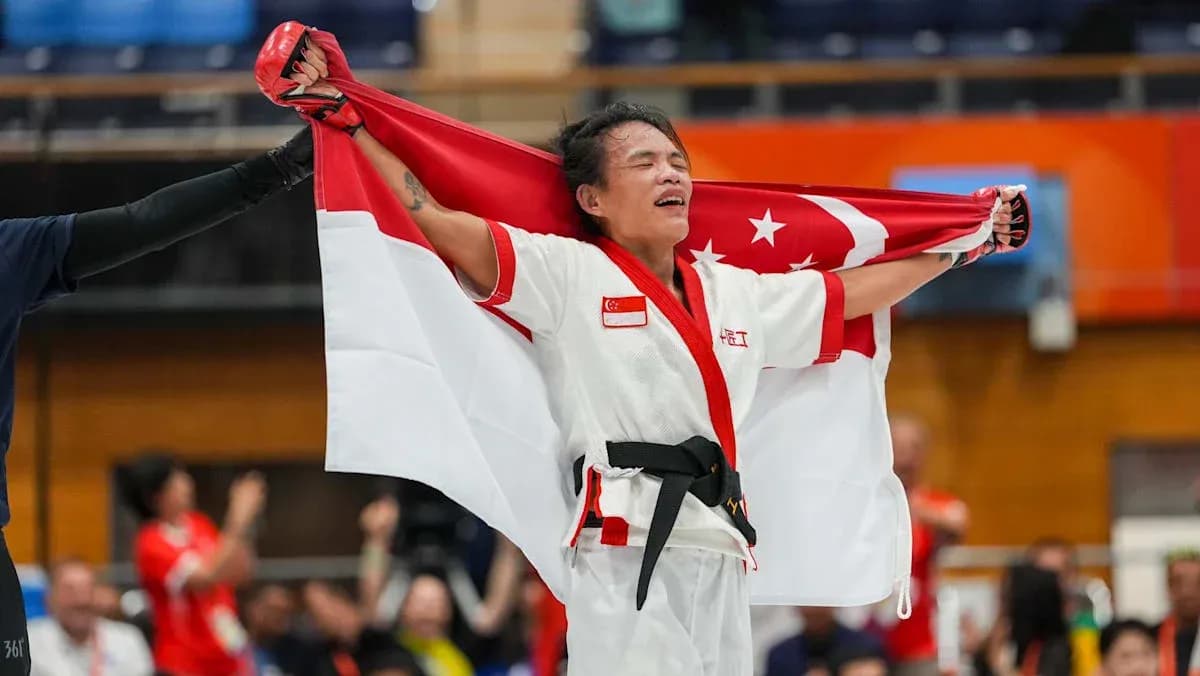
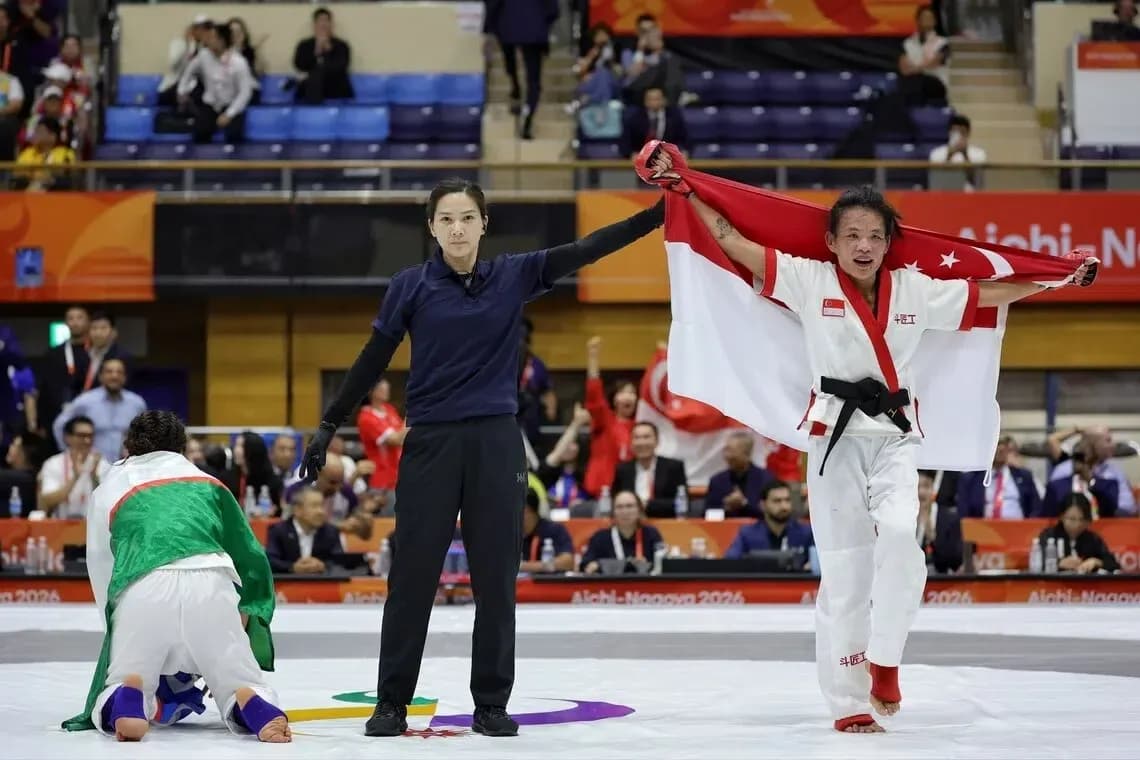
Singapore’s Teo Hui Hoon, already assured of at least a silver medal, sees something more tangible in this Asian Games debut: a pathway. A ladder where none existed before.
“I think it will grow the talent pool a lot,” she says. For her, the equation is simple. Put MMA in the Asian Games, talk seriously about the Olympics, and the sport suddenly becomes a viable dream for children and teenagers, not just a niche pursuit. “Because now there’s a clear pathway, right? You can join a national team, the next step you can go to the Olympics.”
That kind of clarity has transformed other combat sports. Boxing, taekwondo, judo — all of them feed off the legitimacy and visibility that the Games provide. MMA wants that same pipeline, from local gym to national squad to global stage.
It is not alone in queuing up.
Teqball, the eye-catching hybrid that fuses football technique with a curved table, also makes its Asian Games bow here. So does padel, the fast-growing racquet sport that has swept across clubs from Europe to the Middle East. Each has Olympic dreams. Each is lobbying, networking, and presenting itself as modern, youth-friendly, broadcast-ready.
The field is crowded. The International Olympic Committee has no shortage of suitors.
Tan knows what that means. “We have been in talks with the IOC and other relevant stakeholders that have influence or decision on the recognition,” he says, upbeat but realistic. The road ahead is heavy on paperwork, presentations and political persuasion.
MMA does have one heavyweight ally: Dana White. The UFC chief, whose promotion staged a show on the South Lawn of the White House in June, has been vocal in his support for Olympic inclusion. His backing brings profile and pressure, but also underlines a key challenge. The Olympic movement prefers clear hierarchies and single voices. MMA, as it stands, is a patchwork.
For the sport to be taken seriously in Lausanne, it must eventually speak through one recognised global governing body. That would mean aligning the interests of federations, promotions and powerbrokers who have not always pulled in the same direction.
Then there is the image problem. For many, especially outside the core fanbase, MMA still carries the stain of its early years — barebones rules, blood-soaked highlight reels, and that searing description from US senator John McCain in the 1990s: “human cockfighting”. Those words helped get the sport banned in large parts of the United States.
The landscape today looks utterly different. Regulated rulesets, medical protocols, weight management systems and athletic commissions have helped drag MMA into the mainstream. The UFC’s global success has turned fighters into crossover stars and filled arenas from Abu Dhabi to Rio. Yet the perception of brutality lingers in some corners, and the IOC is acutely sensitive to public opinion.
Los Angeles 2028? Too soon, by most estimates. Brisbane 2032? Perhaps a more realistic target. Tan refuses to close any door.
“Nothing is impossible,” he says. His hope is that the Olympics will see MMA not just as a spectacle, but as a sport that “connects with both adults and also the youth”, with genuine global appeal and the flexibility to slot into a major Games schedule.
Back in the Nagoya gym, that ambition feels a long way from the thud of kicks and the snap of takedowns. Yet every bout here is a small argument in MMA’s favour: disciplined, structured, officiated, competitive. A sport, not a sideshow.
Tan’s message is clear. If the call comes — from the IOC, from LA28, from any future host city — MMA will not need time to think.
“If the IOC or LA28 comes and say, MMA, would you like to be in as a medal sport or demo sport, we are ready.”
The fighters already are. The question now is whether the Olympic movement is willing to let them in.