Mike Dean Clarifies Controversial Referee Comments
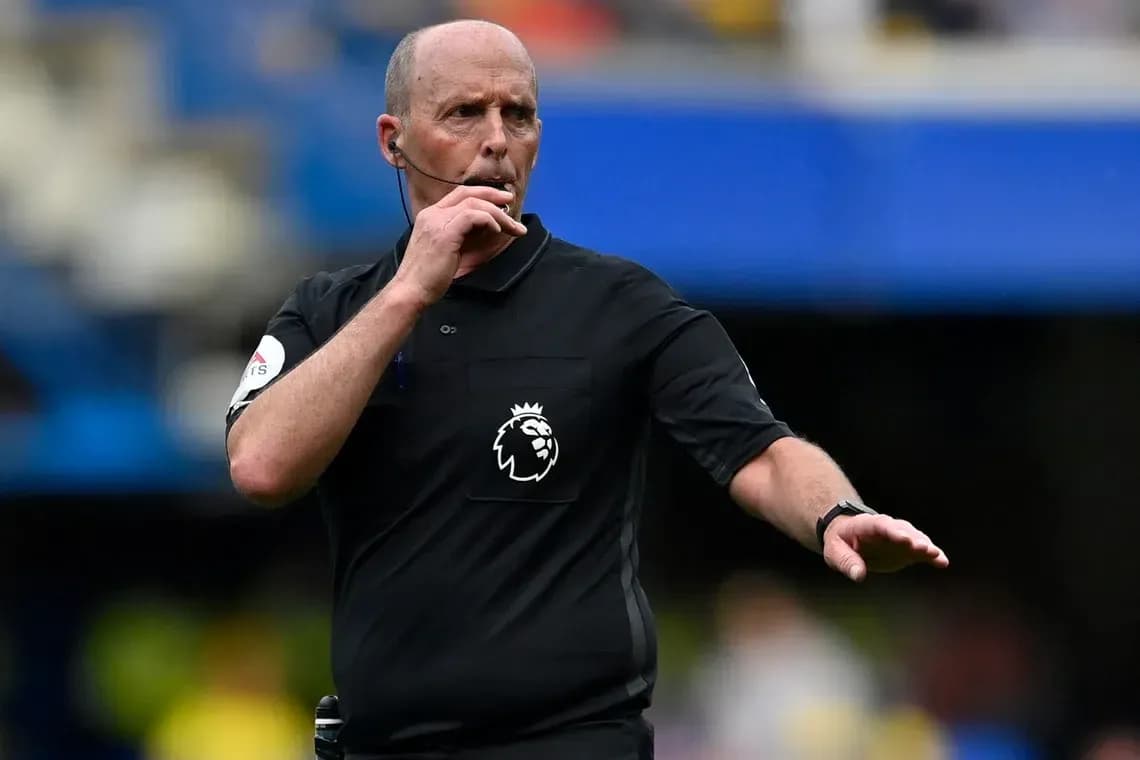
Mike Dean insists he never set out to “undermine the integrity” of English officiating, as the former Premier League referee moved to calm the storm created by his own revelations about “playing games” during matches.
The 56-year-old, who took charge of more than 550 Premier League fixtures before retiring in 2022, has been under fire since an appearance on the podcast “Jamie Vardy's Having A Party,” where he described personal challenges he set himself during games. Among them: seeing how long he could go without blowing his whistle, and how long he could stay inside the centre circle before needing to move.
In an era when every refereeing decision is dissected from a dozen camera angles, that kind of admission landed heavily.
Former official Mark Halsey was one of several ex-referees to condemn the comments, arguing they risked dragging the integrity of English match officials into question. The backlash pushed Dean to clarify his stance and defend his career.
On Friday, he turned to Instagram to set out his position.
“Throughout my 25 years as a professional referee, I have always applied the Laws of the Game to the best of my ability,” he wrote. He stressed that his style was built on keeping the match moving rather than stopping it at every minor contact.
“My approach as a referee was always to allow the game to flow and whenever possible I preferred to apply a high threshold for contact which the players liked. However, if I saw a foul challenge that needed me to take the appropriate action I would give it from the correct position.”
That balance between letting the contest breathe and stepping in at the right moment underpinned Dean’s reputation during a long career that stretched from the early Premier League years into the VAR age. After hanging up his whistle in 2022, he spent a season working as a Video Assistant Referee before leaving that role in 2023.
The podcast comments, though, reached back to a different time. Dean said he had tried his “no whistle” challenge “a few times in the Premier League” before VAR arrived, when referees had greater freedom to manage games by feel and personality.
“Another thing with me in the Premier League, I used to stand in the centre circle and see how long I could stay in the centre circle before I had to leave,” he said on the show. “That was just me joking about.”
The joke has not landed well with everyone. In a climate of intense scrutiny, even light-hearted anecdotes can sound like confessions. Dean’s response has been to underline that, for all the personality and theatre he brought to the job, he never stepped away from his core duty.
“At no stage was it my intention to question, criticise or undermine the integrity of refereeing in this country,” he wrote. “I have always respected the profession and the responsibility that comes with being a referee.”
For a man who became one of the most recognisable faces in English football without ever kicking a ball in anger, his words now feed into a broader debate: how much room is left for the human side of refereeing in a game that trusts technology more than it trusts the whistle?