Lionel Messi Set to Become Owner of Eldense Football Club
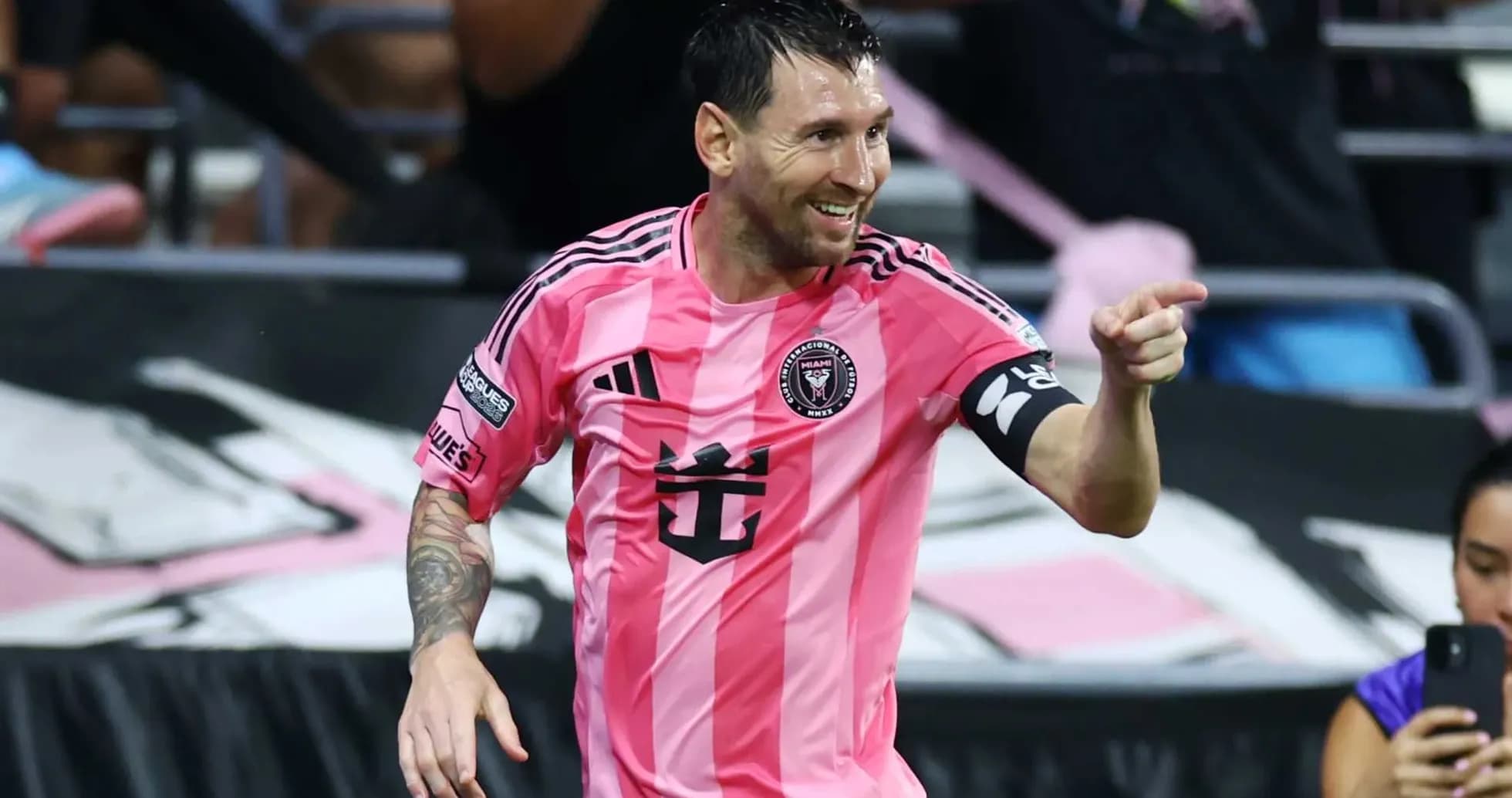
Lionel Messi is preparing to swap the pitch for the boardroom in Spanish football – and this time, the move is anything but symbolic.
According to Spanish daily Marca, the Argentine icon has reached a preliminary agreement to buy Eldense, the newly promoted Segunda División club from the town of Elda in Alicante. If the deal is completed, Messi will take full control of the club’s shares, with no third-party investors at his side.
This is not a casual side project. It would mark his formal entry into Spanish professional football as an owner and deepen a strategy he has already set in motion. Earlier this year he bought Cornellà, a Catalan club competing in the Spanish third tier. Eldense would be the next piece in a growing portfolio.
A Legacy Invested Back Into the Game
The idea behind the project is straightforward: Messi wants to invest his legacy in football itself. Not in marketing schemes or vanity brands, but in real clubs, with real stadiums and real problems.
Eldense fits that profile. The club has just climbed into the second division and is trying to find its footing in a far more demanding environment. It is based in Elda, in the province of Alicante, geographically and symbolically close to Catalonia, where Messi intends to settle once his playing days at Inter Miami are over.
If this agreement is rubber-stamped, he will not be dipping a toe into Spanish football from afar. He will be stepping straight into the heart of its professional pyramid.
From Colombian Capital to Messi’s Hands
Eldense has already lived through one major ownership change in the last decade. In October 2015, an international investment group with Colombian roots, led by businessman Juan Carlos Trujillo, bought the club from Pascual Pérez. That deal pulled Eldense into the orbit of foreign capital, a path many smaller Spanish clubs have taken in search of stability and ambition.
In recent months, the rumour mill had pointed elsewhere. Argentine investor Ricardo Beni was heavily linked with a potential takeover worth around 12 million euros. Those whispers never quite turned into a completed transaction.
Now Messi’s name has surged back into the frame, and with far greater force. The prospect of the seven-time Ballon d’Or winner owning a Segunda club instantly changes the scale of the conversation around Eldense, on and off the pitch.
Paperwork, Politics, and a Tight Timeline
For the moment, this remains a preliminary agreement. Lawyers and accountants still have work to do.
The deal is expected to be completed in the coming days, once the final legal and contractual procedures are signed off and the financial due diligence is finished. One more hurdle stands in the way: approval from Spain’s National Sports Council, a mandatory step for this type of transaction in the professional game.
Only when that green light arrives will Eldense officially pass into Messi’s hands.
A Club in Trouble on the Pitch
While the boardroom prepares for a seismic shift, the situation on the field is far less glamorous.
Eldense have started life in the second division poorly. Two points from four league matches have left the team in early trouble and cost Claudio Barragán his job. The coach was sacked last Monday, becoming the first managerial casualty of the Segunda División season.
The club has yet to appoint a replacement. The dugout is empty, the squad is searching for direction, and the league table already looks uncomfortable.
Into that uncertainty steps the most famous name the town of Elda has ever seen.
Messi cannot fix a leaky defence with a dribble or a free-kick from 25 yards anymore. As an owner, his influence will be measured in appointments, structures, and long-term planning rather than goals and assists. But if the deal goes through, one question will hang over the Estadio Nuevo Pepico Amat from day one:
How quickly can the greatest player of his era learn to win from the other side of the touchline?