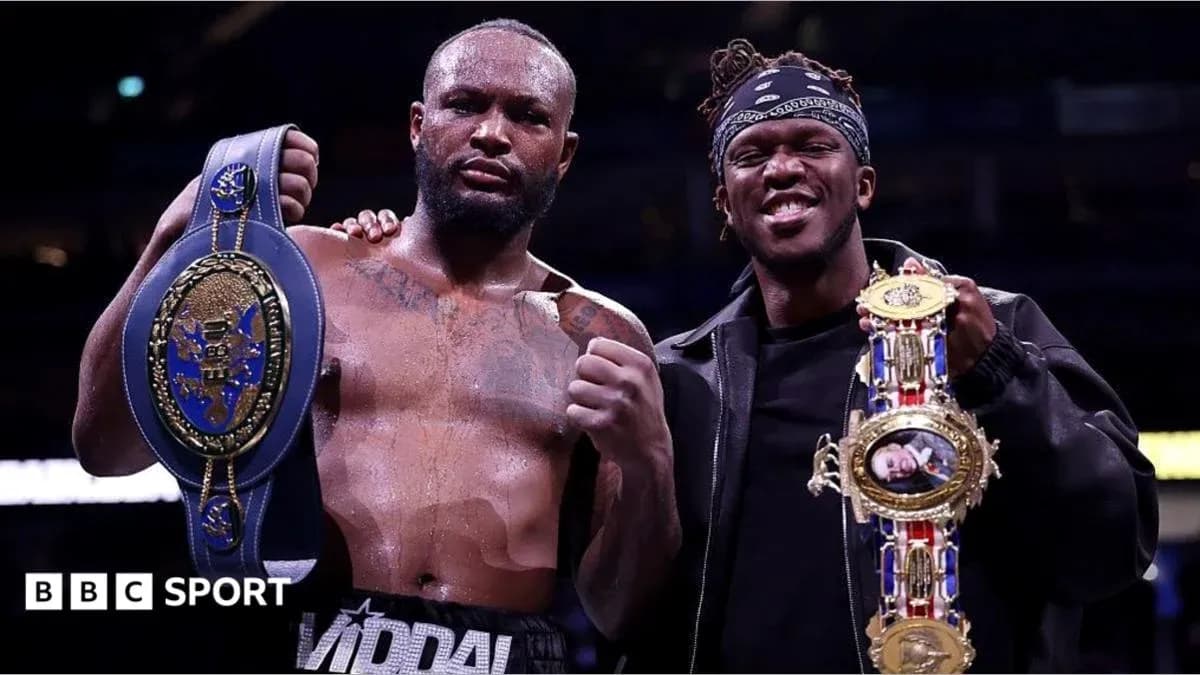
Mbilli vs Canelo: A Championship Clash in Riyadh
In a city living under the sound of sirens and missile interceptions, the scales still told their familiar truth.
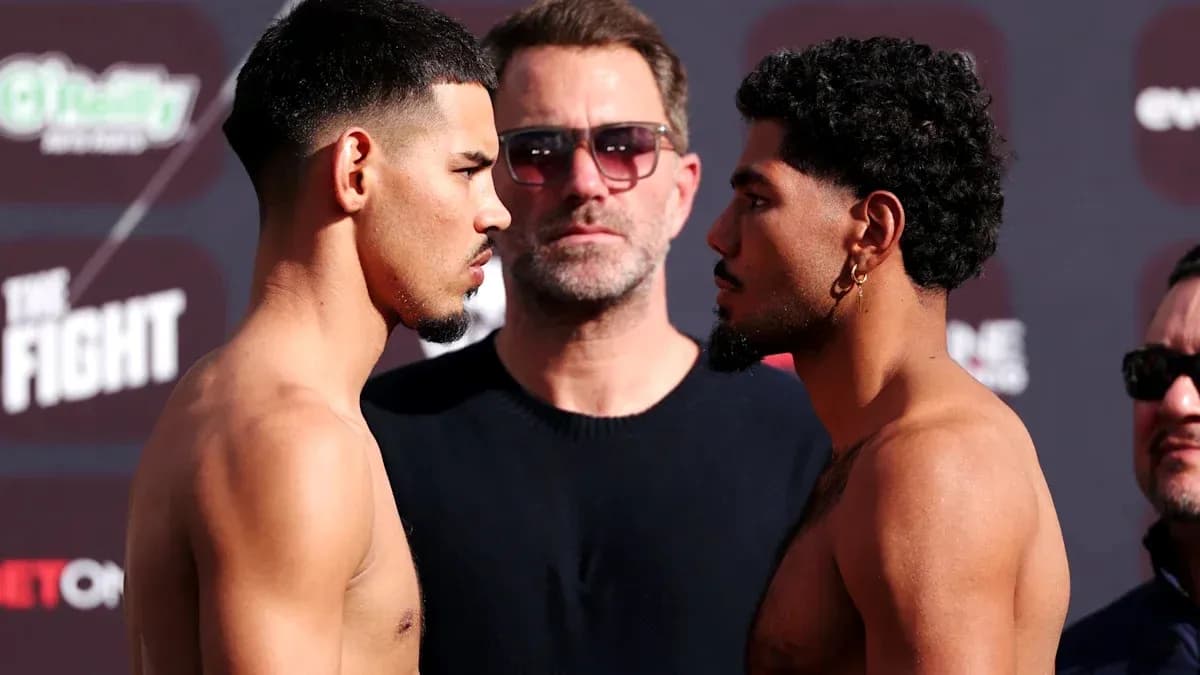
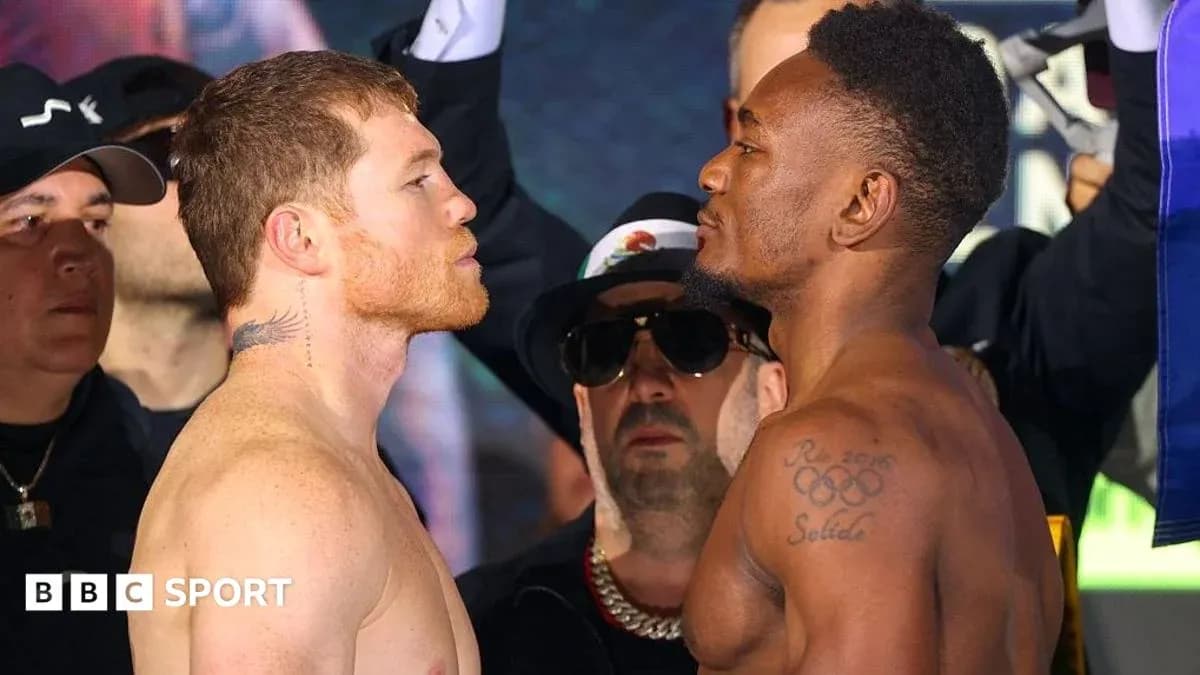
Christian Mbilli and Saul "Canelo" Alvarez both came in on the championship limit at Friday’s weigh-in in Riyadh, officially 12st (76kg) each, and locked eyes in a long, tight stare that said this was about far more than numbers. No shoving, no theatrics. Just two men who know exactly what’s at stake.
Mbilli, 31, walks into the ring on Saturday as the WBC super-middleweight champion, elevated to that status in January and now defending the belt for the first time. Across from him will be one of the defining fighters of this era. Alvarez, 36, is preparing for his 69th professional bout, two decades and more removed from his debut on 29 October 2005.
For the Mexican, the belt is not a novelty. It is a return mission.
"This is very important for me, I've been doing this for 21 years and won my first world title 16 years ago. It's important for me to win a title again," Alvarez said, his voice calm but edged with that familiar steel. "My experience is different, he hasn't faced anyone like me and I'll teach him tomorrow."
It was a reminder that while Mbilli holds the belt, Alvarez still carries the history. The résumé. The scars.
A title fight in a city under threat
All of it unfolds against a backdrop that would have seemed unthinkable for a major world title event not long ago.
Just 24 hours before the fighters hit the scales, two ballistic missiles were intercepted over the Saudi Arabian capital. Saudi Press Agency reported that Civil Defence units brought them down over Riyadh, with falling shrapnel injuring a civilian and damaging a house and a vehicle.
This is not an isolated incident. Earlier in October, a missile strike on Riyadh's King Khalid International Airport killed 13 people and wounded more than 300. The growing conflict between Saudi Arabia and Yemen's Houthi movement has turned every large gathering into a calculated risk.
Those realities have hung over fight week. Doubts have swirled about whether the event could, or should, go ahead. The UK's Foreign, Commonwealth and Development Office currently advises against all but essential travel to the whole of Saudi Arabia, a stark warning for any British fans or media considering the trip.
Travel plans for those who did commit have been thrown into chaos. Restricted access to the airport has complicated arrivals and departures, stretching logistics and nerves alike. Yet the machinery of a modern mega-fight has rumbled on, determined, relentless, almost defiant.
Experience against opportunity
Inside that bubble, the narrative is simpler. Mbilli, the newer name at this level, holds the belt Alvarez wants. The French-based champion knows he steps into the harshest spotlight of his career, against a fighter who has seen every style, every stage, every kind of pressure.
Alvarez, for his part, leans on that experience. Sixty-eight fights behind him. World titles across multiple divisions. Sixteen years since he first wrapped a world belt around his waist. For him, this is not about discovery. It is about restoration.
The stare-down after the weigh-in carried that weight. No smiles. No jokes. Just a champion defending his place and a challenger who doesn’t see himself as one.
On Saturday night, in a city where missiles have become part of the recent soundtrack, two men will step through the ropes to settle something far more traditional: who leaves as WBC super-middleweight champion, and who walks away with only the memory of what might have been.