Mavericks' Clutch Struggles and Kyrie Irving's Impact
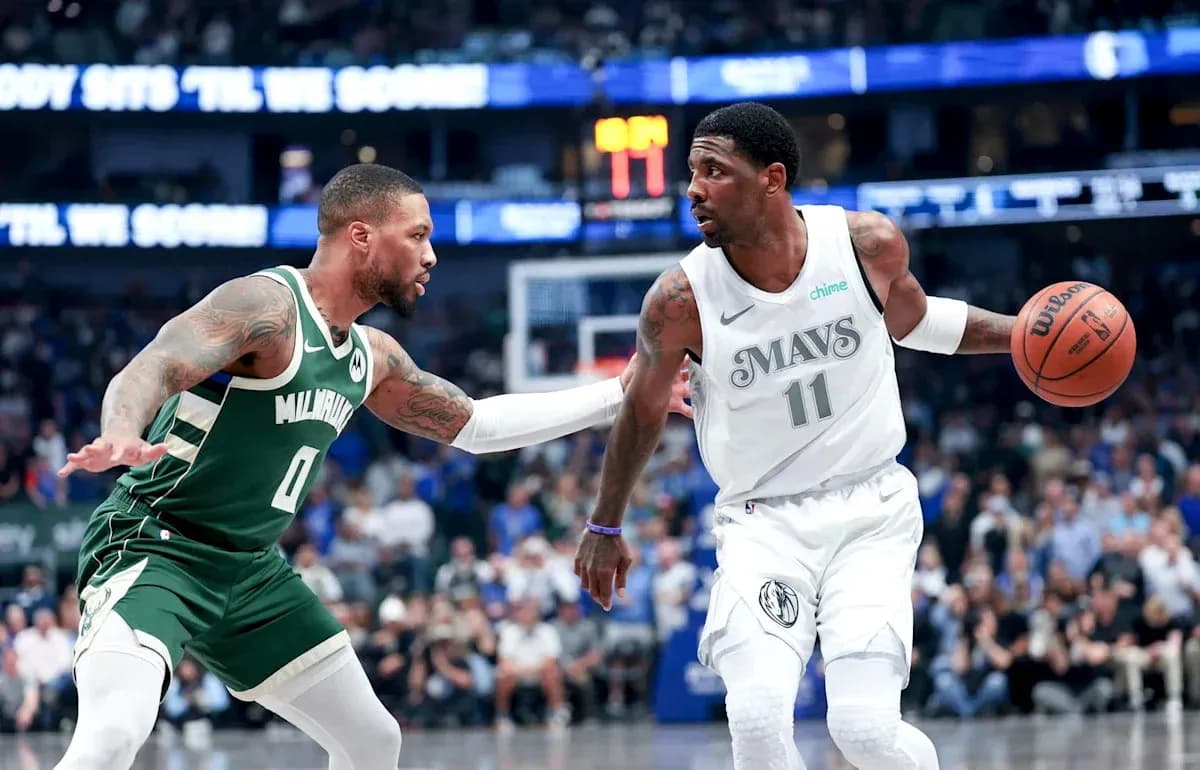
There’s one number that cuts through all the noise of the Mavericks’ 26-win season.
Forty-five.
Dallas played 45 clutch games in 2025-26, tied for the most in the league. Forty-five nights where the margin was five points or fewer in the final five minutes. Forty-five times the result was still up for grabs.
They lost 28 of them.
For a 56-loss team, that stat is both indictment and invitation. The Mavericks weren’t getting run off the floor. They were right there, over and over, with the game breathing down their necks and the ball in the hands of kids still learning what those moments feel like. Then the last five minutes arrived, and the experience gap showed.
That’s the story of their season. Not talent. Not effort. Not some broken blueprint in the front office.
Finishing.
A young roster, one of the youngest in the NBA, was asked to navigate the most unforgiving stretch of the game without the one thing coaches crave in those situations: a proven closer. Cooper Flagg, a teenager, was learning in real time. The players around him were being asked to make decisions they’d never had to own before. Those final possessions are where habits harden and nerves fray. That’s where veteran muscle memory usually wins.
Dallas didn’t have it.
Now it does.
Kyrie Irving walks into that locker room and instantly changes the geometry of the last five minutes. His reputation in these moments isn’t hype; it’s a decade of receipts. The Game 7 dagger over Stephen Curry to seal the 2016 title for Cleveland still rolls on highlight loops for a reason. The left-handed floater at the free-throw line to beat Denver in 2024 belonged in the “no way” category until it splashed through.
His postseason résumé in closeout games is almost absurd: 15-1, with 23.5 points per game when a series can end that night. Those are not empty numbers. Those are “give me the ball, we’re going home” numbers.
Dallas has seen the difference already. In 2023-24, with Irving steering late-game possessions, the Mavericks went 16-4 in clutch games, one of the league’s elite marks. Irving sat among the top 10 clutch scorers in the NBA at 4.2 points per game, and he did it with ruthless efficiency: 60% from the field, 42% from three when the game tightened.
That’s what a closer looks like.
Because late in games, offenses usually stop humming. Sets shrink. The ball sticks. Defenses are set, locked in, and waiting. It turns into isolation basketball, and only a handful of players on the planet can still manufacture a clean look on command. Irving lives in that space. He doesn’t just get his own shot; he bends the defense hard enough that everyone else’s job gets easier.
For a roster full of young players, that matters. When Irving draws two defenders, reads simplify. A drive-and-kick becomes a catch-and-shoot. A frantic decision becomes a straightforward one. The ball finds the open man because the defense has no choice.
There’s another layer here that shouldn’t be dismissed as collateral damage from a losing year. All those clutch losses in 2025-26 were not wasted minutes. Flagg and the rest of the young core logged an entire season inside a pressure cooker. They heard the crowd tighten, felt the possession-by-possession weight, lived through the disappointment of a dozen games that slipped away in the space of three or four plays.
Players don’t forget that. They carry those possessions with them.
Now Dallas pairs that scar tissue with a veteran who has spent his career solving those exact situations. The kids have seen what not finishing looks like. Irving has built a career on the opposite.
The Mavericks don’t need to transform overnight into a juggernaut to change their trajectory. They just need to stop leaving so many winnable nights on the table. Turn a chunk of those 28 clutch losses into something closer to a coin flip, and the standings move quickly.
This roster already proved it can get to the last five minutes with a chance.
The question, with Irving back in the mix, is how many of those chances they’re still going to let slip away.