
Marcus Rashford: Championing Change Beyond Football
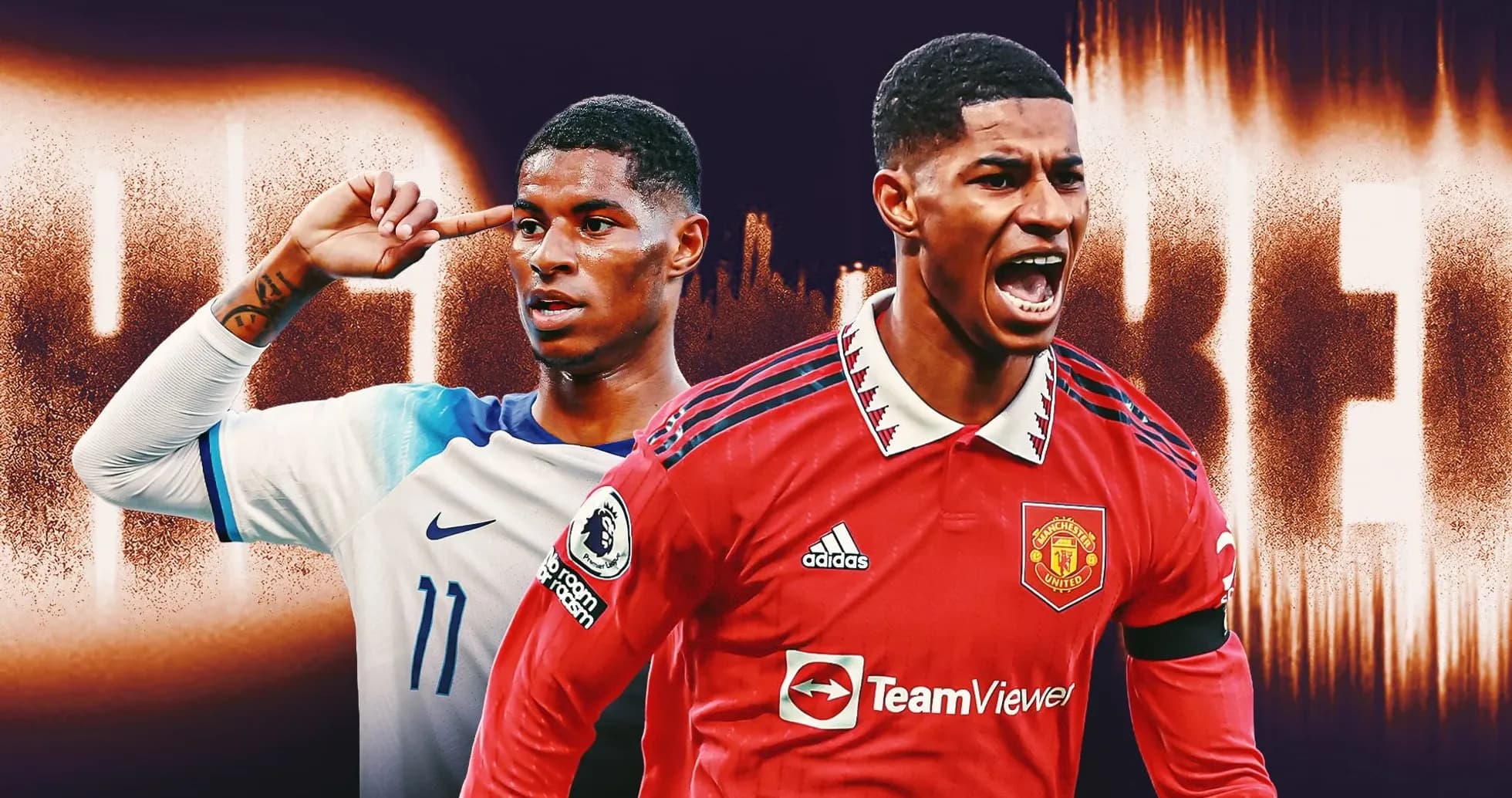
By 2016, Marcus Rashford had everything a young forward at Manchester United could want: the shirt, the goals, the roar of Old Trafford. He also had something else, harder to see and even harder to shake off – the memory of what it meant to grow up with very little.
He chose not to bury that past. He chose to weaponise it.
When schools across Britain shut their doors during the coronavirus pandemic in 2020, the closure exposed a brutal reality. For many children from low-income families, school wasn’t just about lessons; it was a lifeline. Free school meals vanished overnight. The government’s early stance was clear: there would be no continuation of that support through the summer holidays.
Rashford refused to accept that. He knew those meals. He knew what they meant.
Working with the food charity FareShare, he began by helping to get food to children who suddenly had nowhere else to turn. That might have been enough for most athletes: a generous donation, a campaign photo, a statement on social media. Rashford pushed further. In June 2020, he went public with an open letter to the government that cut straight through the noise.
“This is not about politics, but about humanity.”
The country listened. So did Downing Street.
Under mounting pressure, Prime Minister Boris Johnson’s government reversed course, announcing a summer fund to support children in need. Around 1.3 million children were expected to benefit. One letter, one footballer, and a government policy had been forced into a U-turn.
The story could have ended there. It didn’t.
When ministers later resisted extending the support, Rashford escalated again. He launched a petition demanding further action. More than a million people put their names to it. The weight of that public backing proved impossible to ignore. In November, the government unveiled an aid package worth £400 million, then just under €450 million, aimed at helping vulnerable families.
At 22, Rashford had done what few in his profession had ever attempted: he dragged a social issue into the heart of national politics and made those in power move. Footballers had long been associated with charity work, but this was different. This was a player turning his popularity into hard political pressure.
That success appears to have sharpened his ambition. Handouts were never going to be enough for him. Rashford wanted to tackle the roots of inequality, not just its most visible symptoms.
He pulled together companies, supermarket chains and aid organisations to form the Child Food Poverty Taskforce, a coalition designed to keep the pressure on and force concrete measures against child poverty. He didn’t stop at emergency funding. He zeroed in on the government’s Healthy Start programme, which offers eligible families vouchers for essentials like milk, fruit and vegetables. Rashford campaigned for that support to be expanded and teamed up with television chef Tom Kerridge to promote healthy eating and show families what those vouchers could actually deliver on the plate.
The fight wasn’t only about food. It was about opportunity.
In 2020, Rashford launched his own book club in partnership with Macmillan Children’s Books, focused on children from disadvantaged backgrounds who rarely had access to literature. For him, books as a child had often been a luxury, not a given. He spoke openly about what that absence had meant.
“There were times when escaping into the world of books would really have helped me. I want all children to have that escape. Not just those who can afford it.”
He was no longer simply a forward for Manchester United and England. He had become a campaigner, a lobbyist, a voice for those who had none.
That voice grew louder after Euro 2021. England’s final against Italy ended in heartbreak and a penalty shootout that will live long in national memory. Jadon Sancho, Bukayo Saka and Rashford all missed from the spot. The abuse that followed was vicious and predictable, and much of it was racist.
Rashford addressed his performance first. He accepted the footballing failure.
“I can take criticism of my performance all day long. My penalty was not good enough; it should have gone in.”
Then he drew a line that refused to budge.
“But I will never apologise for who I am or where I come from.”
In the modern game, such clarity is rare. Top-level professionals are no longer just players; they are brands, global marketing tools, carefully managed assets. Every public word is weighed, every stance measured against sponsor expectations and potential backlash. Many choose silence, especially when politics is involved.
Rashford chose risk. He spoke anyway.
He used his status to amplify the needs of families who would never see a camera, never sit in a press conference, never trend online. He showed that a footballer, at a time when the sport is more commercial than ever, can still bend the spotlight towards something other than himself.
This was not rebellion for the sake of noise. He did not lash out just to provoke or to burnish an image. His defiance carried purpose. It was rooted in lived experience and aimed squarely at specific goals: food on tables, books in hands, dignity protected.
Of course, his interventions have not erased child poverty in Britain. No single campaign can dismantle structures built over generations. Aid packages are sticking plasters on deep wounds. Yet Rashford has already altered the expectations placed on elite athletes. He has shown that one player can move levers that once seemed firmly out of reach.
In football, rebellion is often romanticised as a wild tackle, a tunnel bust-up, a gesture to the stands. Rashford has offered something different. His version is quieter, more pointed, and far more difficult to dismiss.
It looks like a letter to a prime minister. A petition signed by a million. A simple refusal to apologise for who you are.
And it leaves a question hanging over the modern game: if one forward from Wythenshawe can force a government to change course, what might happen if more of football’s stars decided that their greatest impact would come away from the pitch?





