Manchester United's Defensive Issues Exposed in Hull City Loss
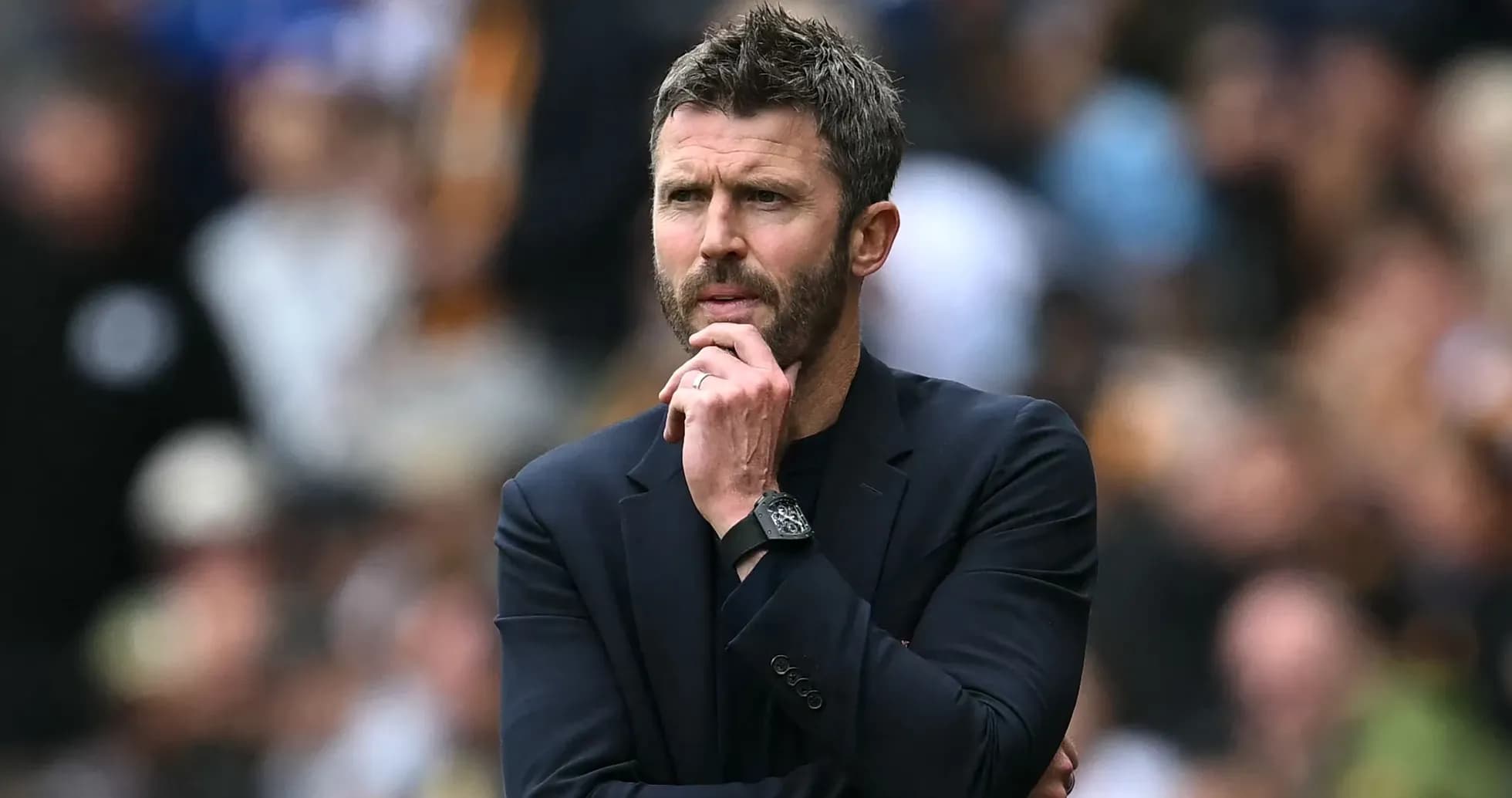
Manchester United’s season began with a jolt rather than a launch, a flat 2-0 defeat to newly-promoted Hull City exposing familiar frailties and reigniting an old argument at the heart of their defence.
With Lisandro Martinez and Matthijs de Ligt still short of full fitness, Michael Carrick had little choice but to improvise. Harry Maguire, 33 now and long used to scrutiny, stepped back into the spotlight alongside Ayden Heaven in a patched-up centre-back pairing that never looked settled. Hull didn’t need to dazzle. They simply targeted United’s soft spots from dead balls and walked away with the points.
Both goals came from set-pieces. Both carried the same accusation: United lost their concentration and their structure when it mattered. For Maguire, facing his former club, it was a night that cut across the narrative of his late-season revival under Carrick. Where there had been talk of redemption, doubts came roaring back.
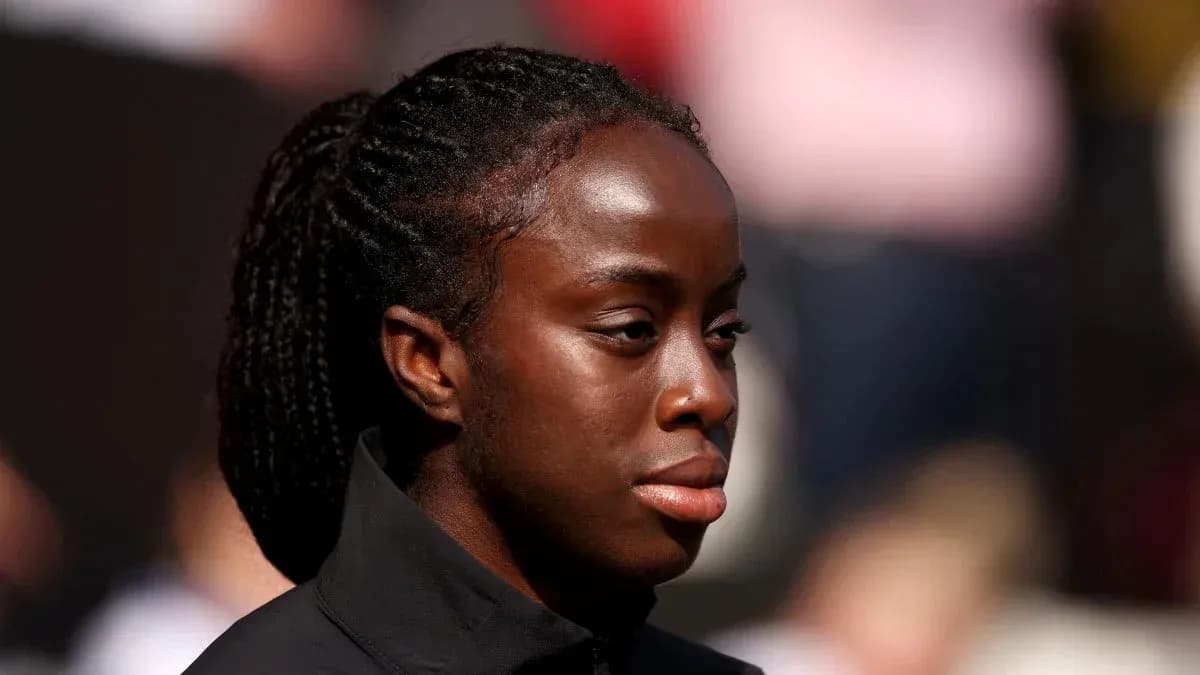
Those doubts were voiced, loudly, by Obi Mikel. Speaking on The Obi One Podcast, the former Premier League winner did not bother with diplomacy.
“When your top centre-back is Harry Maguire, you have a problem,” he said, a line that will sting at Old Trafford. “Harry Maguire was never a Manchester United player, never suited the system or the football club.
“The fact that he has managed to stay there for seven, eight seasons is incredible. How has that happened? I don’t understand that, and he’s still there, and he’s the number one defender. That’s a problem.”
The criticism went beyond reputation and into specifics. Mikel honed in on the first goal at Hull, a moment that has already done the rounds on clips and replays. He described Maguire grappling with his own team-mate instead of attacking the danger.
“The first goal, he was grabbing his own player and stopping him from going to defend the guy who was scoring. What was he doing? I have no idea.”
For a player whose game has always been built on aerial dominance and penalty-box presence, that image is damning. It fed into a wider question Mikel posed: why, with alternatives available, is Maguire still the man Carrick turns to?
“They have Lisandro Martinez, Matthijs de Ligt, Leny Yoro; they have players there,” Mikel said. “But I don’t know why he is still starting. Is he good to be a squad player because of his experience? Yes. But not to start games, not to be your number one centre-back.”
The attack on Maguire’s style was just as blunt. Mikel painted a picture of a defender out of step with the tempo Carrick wants.
“He’s slow on the ball; he touches it three or four times before releasing it. He doesn’t know what to do with the ball, he’s confused when he has the ball. A centre-back needs to move the ball quicker, but Maguire doesn’t know how to do that quickly enough and get the team to play at the right tempo.”
It is a harsh assessment, yet it lands at a delicate time for the player. Maguire’s form in the second half of last season had suggested a different story: a senior pro clawing his way back into favour, steadying a shaky back line and almost forcing his way into Thomas Tuchel’s England squad for the World Cup. Carrick’s faith, at least publicly, seemed to be paying off.
Then came Hull. Two set-piece concessions. Old questions, new noise.
Carrick, as he has done since taking the job, stepped in front of his players when the inquest began. He did not spare the performance, but he refused to turn it into a referendum on one man.
“Two goals conceded any way is frustrating,” he said after the final whistle. “We’ve been pretty good at defending set-pieces over a period of time but they decided the game today. One game doesn’t change the direction of everything, but we need to be aware of what we need to get better at.”
That line – one game doesn’t change everything – is true. It is also exactly the kind of phrase that gets tested in the weeks that follow.
Because this is not just about a bad night at Hull. It is about what Maguire represents for United now: experience and resilience on one side of the ledger, pace and fluency on the other. With Martinez, De Ligt and Leny Yoro all on the books, the club has invested heavily in a different profile of defender. The question is whether Maguire remains a pillar of the project or a veteran presence on the fringes.
For the moment, Carrick is backing the group and talking about lessons, not scapegoats. The season is young, the table still meaningless, the narrative still malleable.
But if United’s “number one defender”, as Mikel framed it, keeps standing at the centre of damaging defeats, how long before that status – and his place in Carrick’s starting XI – is ripped up for good?