Manchester United Bans 685 Accounts in Ticket Touting Investigation
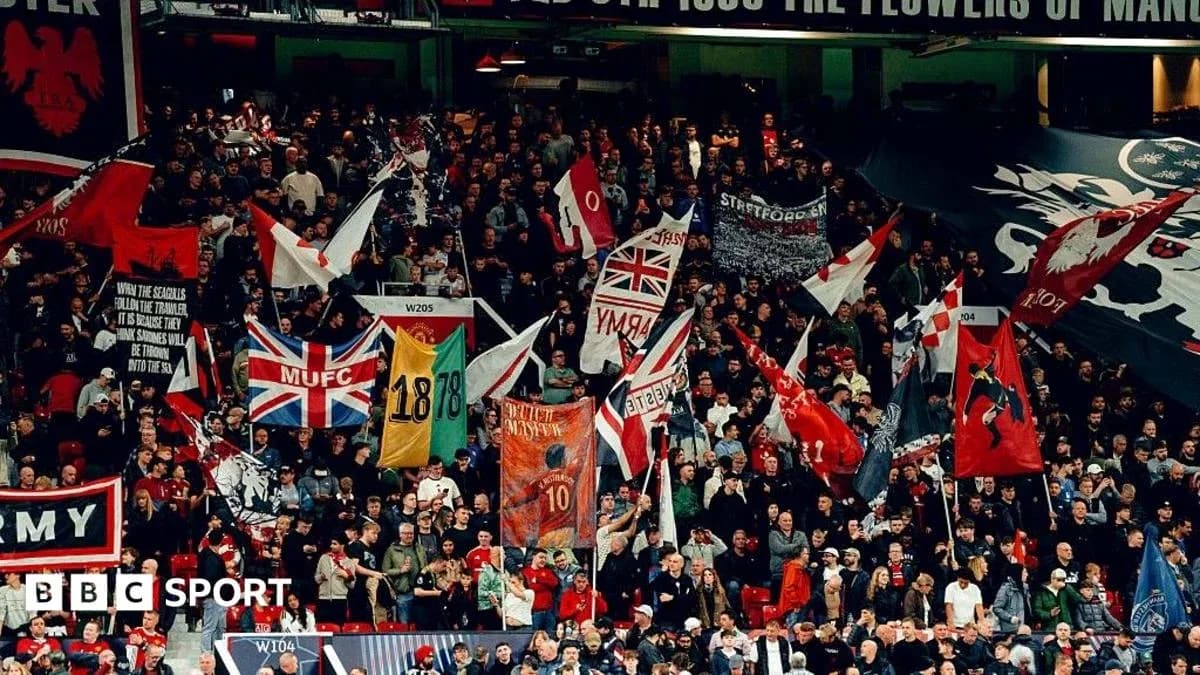
Manchester United have banned 685 ticket accounts and sanctioned or warned a further 464 supporters after a sweeping ticket touting investigation that has deepened tensions between the club and sections of its fanbase.
The crackdown, launched in July, sparked immediate fury. Season-ticket holders received sternly worded emails hinting at possible sanctions without any clear explanation, triggering protests and a wave of anxiety among fans who feared they were about to lose their seats.
Under pressure, United softened the language in those warnings, admitted they had misjudged how many supporters share accounts within families and friendship groups, and accepted their approach had caused “distress” to some innocent fans. The club insists, though, that the central objective has not changed: to drive touts out of Old Trafford.
In the conclusion to the investigation, United confirmed the scale of the operation.
“Six hundred and eighty-five accounts have been subject to a ban, while 464 supporters received a reduced sanction or final warning,” the club said.
The heaviest punishments, they stressed, were reserved for what they describe as “significant misuse” of the ticketing system for financial gain. That includes organised ticketing networks allegedly controlling, selling and distributing tickets from hundreds of accounts, turning United’s vast fan demand into a lucrative black market.
Inside the club, officials are adamant the social media narrative doesn’t tell the full story. They point to posts from supporters claiming to be innocent victims and say some of those accounts are misleading or simply wrong. Their stance is blunt: genuine fans have not been unfairly punished, and the investigation has undeniably exposed and dismantled large-scale touting operations.
Whether that reassurance cuts through is another matter.
Anger around ticketing is feeding into a wider resentment. The 1958 fan group has already called for a protest against the club’s ownership before Sunday’s Manchester derby, with the handling of this crackdown listed as a key grievance. For many, this isn’t just about touts; it’s about trust, communication and who the club really serves.
United, for their part, have tried to frame the policy in simple terms.
“The club’s guiding principle around ticketing is simple: to keep our fans safe and secure, to protect fair access to tickets for genuine Manchester United supporters and to tackle ticket touting, misuse and activity for financial gain,” they said.
They also stress that during the appeals process, any tickets tied to sanctioned accounts will still be sold at season ticket prices on a match-by-match basis, rather than at inflated rates.
“The club is not profiting from this process,” United added, conscious of accusations that a crackdown dressed up as integrity could easily be seen as a revenue play.
The issue is not unique to Old Trafford. Across the Premier League’s elite, clubs are moving aggressively against touting as demand outstrips supply and resale markets boom.
Manchester City banned 165 supporters for touting in March 2025 after away fans were found in home areas at the Etihad Stadium. Liverpool went even harder in July 2026, issuing 432 lifetime bans and seizing assets worth more than £1.2m as part of their own operation.
United now sit firmly in that same camp: a superclub determined to show it is on the front foot against organised resale – and willing to accept collateral anger to do it.
The numbers are clear. The fallout, especially if the protests grow louder around Old Trafford this weekend, is anything but.