The Manchester City Scandal: Football's Biggest Controversy and Its Impact
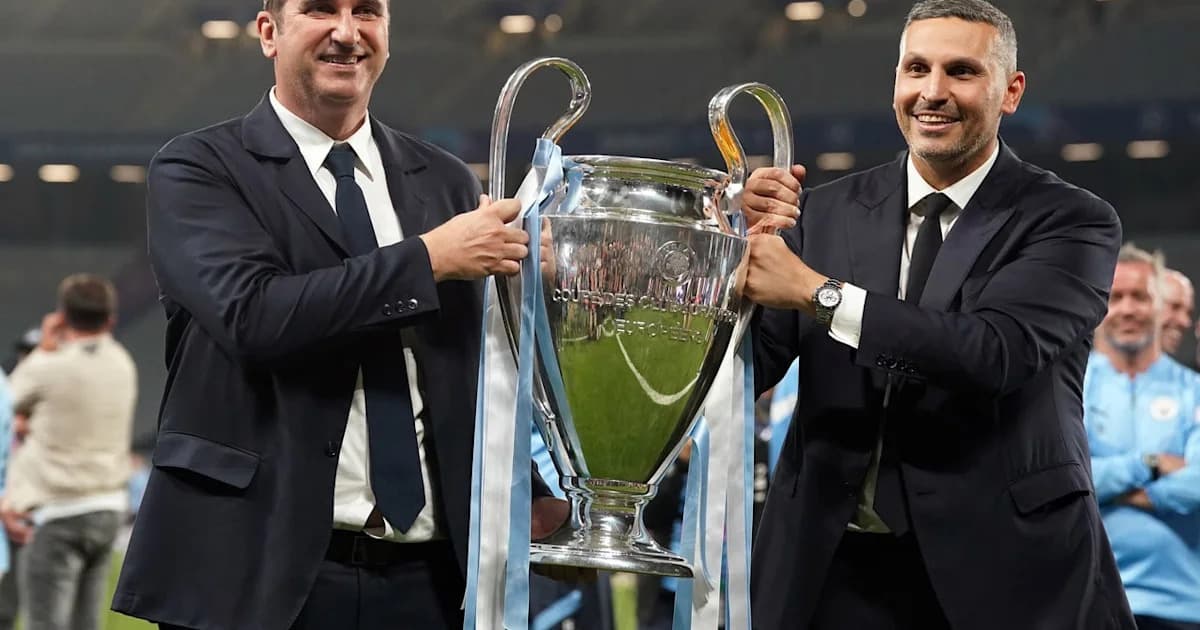
Manchester City's Scandal: The Largest in Sporting History
As Europe’s top football clubs gathered in Copenhagen, many executives found themselves avoiding eye contact with Ferran Soriano, Manchester City's CEO. Described as almost statue-like, Soriano seemed intent on dodging conversations, sometimes pretending to be on calls. This unease came amid the fallout from the Premier League independent commission’s harsh ruling against Man City.
The club released a staff video response that went beyond their official statement, calling the commission’s findings "unsafe" and accusing critics of conspiracy. Soriano vowed to defend the club and seek compensation against anyone who sought to damage its reputation.
Many insiders and fans were stunned by the aggressive tone, which diverged sharply from English sporting norms. Football circles quickly labeled the reaction not defiant but deluded. Social media reflected genuine anger among fans, some for the first time questioning the ownership's integrity.
Legal Battles and Unyielding Evidence
Man City has spent over £100 million on legal fees, yet the comprehensive evidence of systematic cheating remains clear to many. Unlike previous cases, such as the 2020 UEFA decision, this ruling was fully published, exposing what appears to be one of football’s most elaborate cheating schemes.
There remains a slim chance that legal technicalities could overturn the decision or lead to a retrial, but public opinion may not be swayed. The depth of the evidence suggests this scandal could prompt a reassessment of half of the Premier League’s history, comparable only to the World Cup bidding controversies involving Qatar and Russia.
Geopolitical Stakes and Ownership Influence
The scandal’s complexity deepens due to Man City’s ownership ties to Abu Dhabi. The club’s operations seem closely linked to the state’s geopolitical interests, including controversial issues like arms embargo violations in Yemen and Syria.
Leaked emails suggest the owners might risk bringing down the entire Premier League rather than comply with regulations they oppose. Comments from City’s lawyer Simon Cliff highlight fears that the owners could undermine football’s governing bodies.
This sense of unchecked power paints the owners as 'spoiled royalty' accustomed to absolute control. If the appeal process drags on for years, it could erode trust in match results and tarnish the sport’s integrity indefinitely.
A Reckoning for Football’s Era and Model
The crisis is not just about Man City. It signals a reckoning for the Premier League and the era shaped by former chief executive Richard Scudamore’s hands-off approach to regulation and ownership.
Existential problems have surfaced after years of neglect, and now football faces a harsh reality: allowing autocratic states into the sport has exposed it to risks far beyond the pitch.
Damage to the Club and Fans
The scandal has stained Man City’s name for a generation. While fans have celebrated the team’s successes, these achievements are now shadowed by doubt and hostility toward the ownership.
The club has fallen from its position of dominance to uncertainty and controversy. Questions arise whether the owners might sell, especially since Gulf autocracies like Abu Dhabi reportedly cannot tolerate public shame.
Some experts wonder if an independent football regulator might intervene, deeming the ownership unacceptable and forcing a sale.
Is This Day Good or Bad for Football?
This scandal may represent both a low point and an opportunity. It forces football to confront uncomfortable truths about power, influence, and integrity. Perhaps, a positive outcome would be the club transitioning to fan ownership.
Still, no matter how this unfolds, the Manchester City case stands alone as one of the most significant scandals football has ever seen.
- Event: Premier League independent commission ruling against Man City
- Response: Video from Man City staff calling findings unsafe, alleging conspiracy
- Legal fees spent: Over £100 million
- Comparison: Similar scale to Qatar/Russia World Cup bidding scandal
- Ownership: Ties to Abu Dhabi and geopolitical implications
- Potential consequences: Reassessment of Premier League history, possible forced sale