Man Utd’s Longest Winless Streak Remains Distant for the Class of 2026
Man Utd’s Current Struggles Fall Short of Historic Low
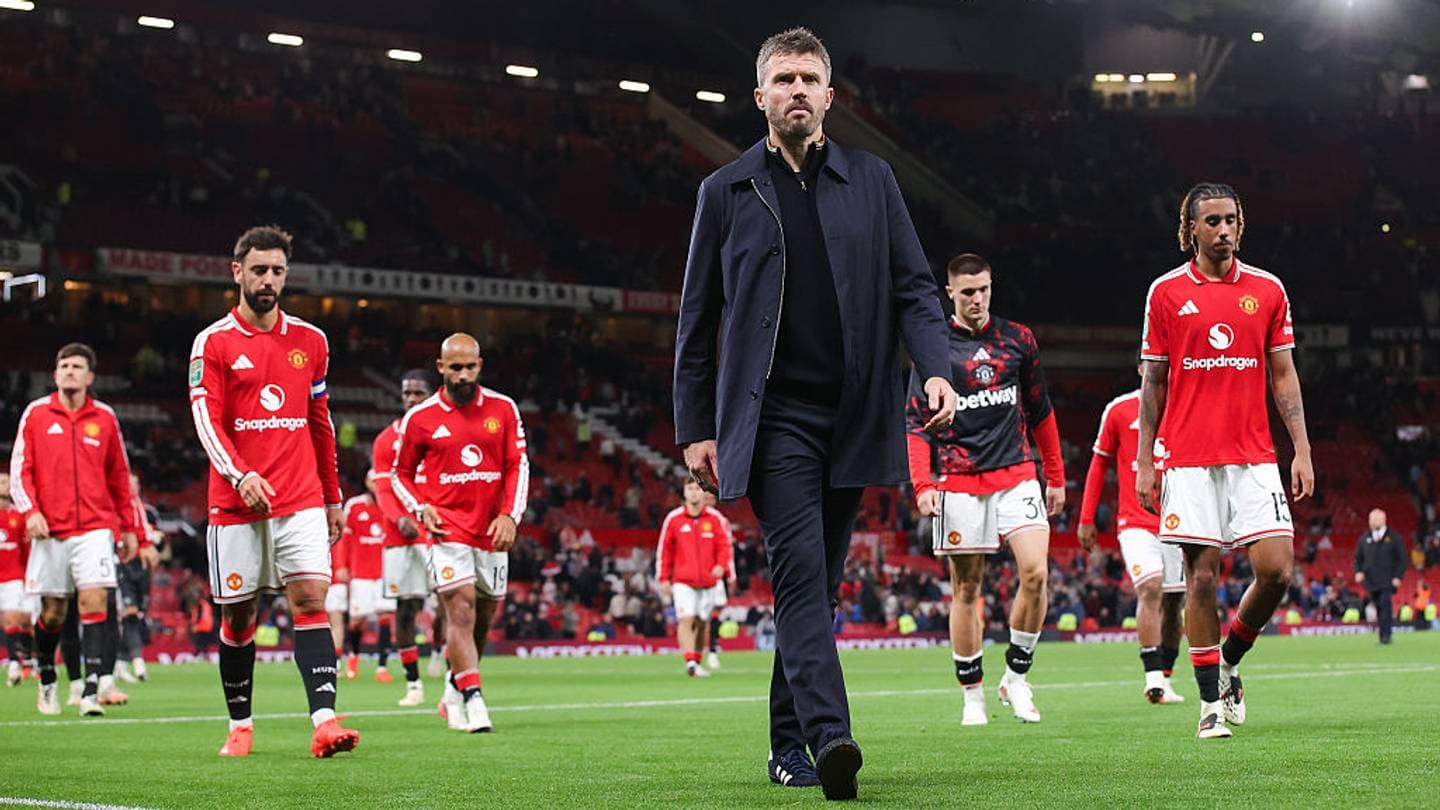
The Red Devils have gone six games without a win this season, yet this streak doesn’t come close to their longest winless run ever recorded.
A Glimpse into the Past: The 1930s Struggles
To find Manchester United's longest winless streak, you must travel back almost 100 years to 1930. At that time, the world was recovering from World War I, facing the Great Depression, and English football looked very different. While United had enjoyed success under Ernest Mangnall in the early 1900s, winning titles in 1907–08 and 1910–11, their prominence faded quickly. Mangnall left for Manchester City in 1912, and by the end of the 1914–15 season, United were battling relegation before the league was suspended for the war.
The Record 16-Match Winless Run
After the war, United finished mid-table before being relegated in 1921–22. Returning to the top division after three seasons, they still struggled against stronger sides like Huddersfield Town, Sunderland, Everton, and Arsenal. Manager John Chapman was suspended in 1926 for reasons never revealed, leading to a brief player-manager stint by Lal Hilditch, followed by Herbert Bamlett, whose tenure is remembered as one of the worst for the club. Financial troubles deepened after the death of owner John Henry Davies in 1927.
The 1929–30 season saw United finish 17th out of 22 teams, narrowly avoiding relegation with only two points to spare. The season ended with four matches without a win, but the worst was yet to come. The 1930–31 season began disastrously, with the team losing its first 12 matches. This extended the winless streak to 16 games until November 1, 1930, when a 2-0 victory over Birmingham City at Old Trafford finally ended the run.
- Season: 1929–30
- Apr. 19: Man Utd 3–3 Everton
- Apr. 22: Huddersfield 2–2 Man Utd
- Apr. 26: Leeds 3–1 Man Utd
- May 3: Man Utd 1–5 Sheffield Utd
- 1930–31
- Aug. 30: Man Utd 3–4 Aston Villa
- Sept. 3: Middlesbrough 3–1 Man Utd
- Sept. 6: Chelsea 6–2 Man Utd
- Sept. 10: Man Utd 0–6 Huddersfield
- Sept. 13: Man Utd 4–7 Newcastle
- Sept. 15: Huddersfield 3–0 Man Utd
- Sept. 20: Sheffield Wed. 3–0 Man Utd
- Sept. 27: Man Utd 0–2 Grimsby
- Oct. 4: Man City 4–1 Man Utd
- Oct. 11: West Ham 5–1 Man Utd
- Oct. 18: Man Utd 1–2 Arsenal
- Oct. 25: Portsmouth 4–1 Man Utd
Fan Influence and Financial Recovery
The Manchester United Supporters' Club voiced strong dissatisfaction, demanding a new manager, improved scouting, fresh signings, new board members, and fundraising shares. Their appeals were ignored, sparking boycott threats ahead of a match against Arsenal in October 1930. Despite this, over 23,000 fans attended, the highest home attendance that season, though interest soon faded sharply. By May 1931, fewer than 4,000 fans witnessed what would be the last top-flight game for five years.
The club's financial survival came thanks to James W. Gibson, who took over after relegation in 1931. On the pitch, challenges remained, including near relegation to the third tier in 1933–34. After several promotions and relegations, United returned to the top flight by 1938 and started investing in youth development through the Manchester United Junior Athletic Club. Stability finally arrived with Matt Busby's appointment after World War II.
Since then, Manchester United has never endured a winless run as long as those 16 games from 1930–31.