Man City Verdict: Impact Reaches Beyond Football
The Wider Impact of the Man City Ruling
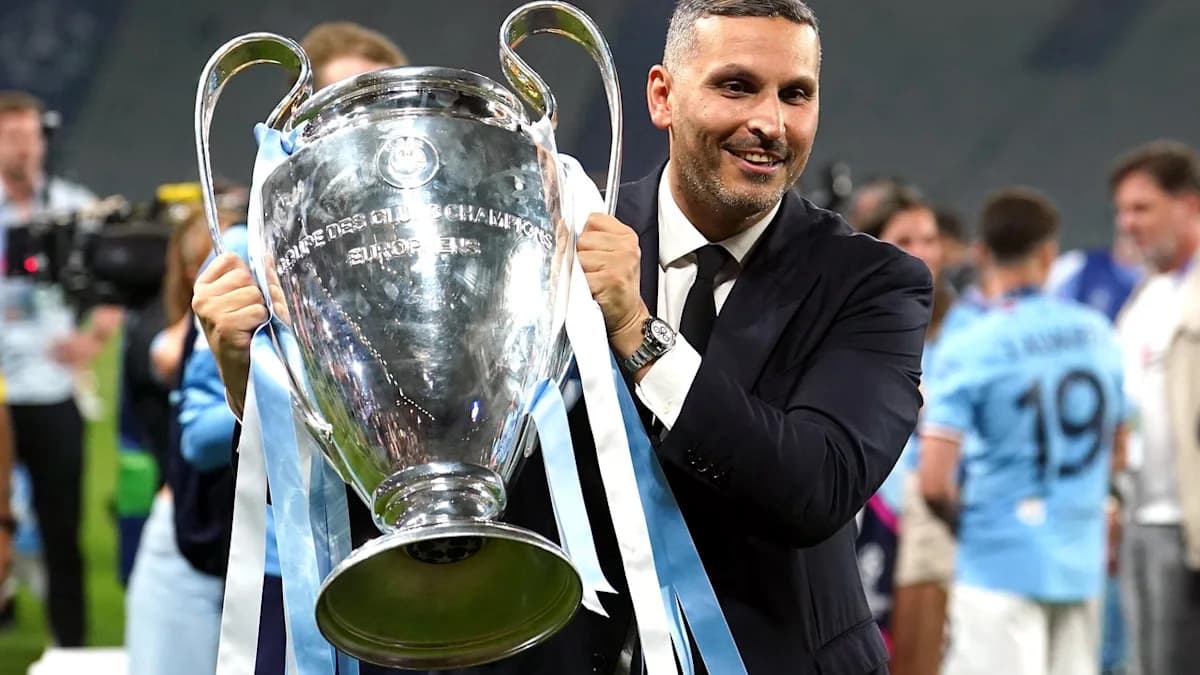
Manchester City chairman Khaldoon Al Mubarak responded firmly to reports that the club is likely to be found guilty of breaching Premier League financial regulations. Despite this, Al Mubarak expressed unwavering confidence in the club's innocence, sending a letter to supporters after news broke of the anticipated verdict.
The situation extends beyond sport, touching on political and business relationships between the UK and the United Arab Emirates. Al Mubarak’s letter, which underwent multiple legal reviews, declared strong intent to prove the club’s position despite the independent panel apparently rejecting much of the evidence City previously presented as "irrefutable." His message also hinted at external forces aiming to undermine the club’s progress, reinforcing his defensive stance.
Political Ties and High Stakes
Al Mubarak is not only a football executive but also a key political figure in Abu Dhabi, widely seen as close to UAE President Mohammed bin Zayed. His influence reaches into major business sectors and government, making the case more than just a sports dispute. Past incidents, such as the UAE threatening to block major UK arms deals in 2015 over political issues, highlight the diplomatic weight behind his position.
Known as a composed yet determined negotiator, Al Mubarak has openly stated his readiness to engage in extended legal battles, emphasizing the depth of his commitment. His personal history includes the assassination of his father, a former UAE ambassador, an event that has shaped his patriotic resolve.
Man City's Role in Abu Dhabi’s Broader Strategy
Al Mubarak holds several significant roles including chairman of the Executive Affairs Authority and CEO of the Mubadala wealth fund. His chairmanship at Manchester City reflects the club’s role as a symbol of Abu Dhabi’s values and ambitions. The club's operations mirror the state's approach, drawing parallels with how the UAE handles international controversies.
If the verdict turns against Manchester City, it could cause serious reputational damage for owner Sheikh Mansour, potentially impacting his status within Abu Dhabi. Speculation even exists about possible changes in the club’s leadership, though removal of Al Mubarak himself seems unlikely given his stature.
Unprecedented Scale and Geopolitical Dimensions
This case is one of the most extensive and complex in European football history, involving charges that stretch over several years and touch on state-level reputations. It is rare for a football investigation to have such broad geopolitical implications, making it unique in scope.
The Premier League now includes many clubs backed by private equity, some with investment links to Abu Dhabi funds, which may have softened attitudes toward the Man City case compared to previous years. Additionally, UK Prime Minister Andy Burnham, who was Manchester’s mayor during key UAE investments in the city, has publicly praised the club owners and maintained dialogue with UAE leadership.
Although the legal process is independent, these political and economic layers contribute to a belief that influence and resources play a role in outcomes. The scale of the Premier League's expected ruling is remarkable, especially given the state's backing behind Manchester City. Al Mubarak’s continued confidence despite the looming verdict stands out in this high-stakes environment.