Luton Town's VAR Controversy After Stevenage Defeat
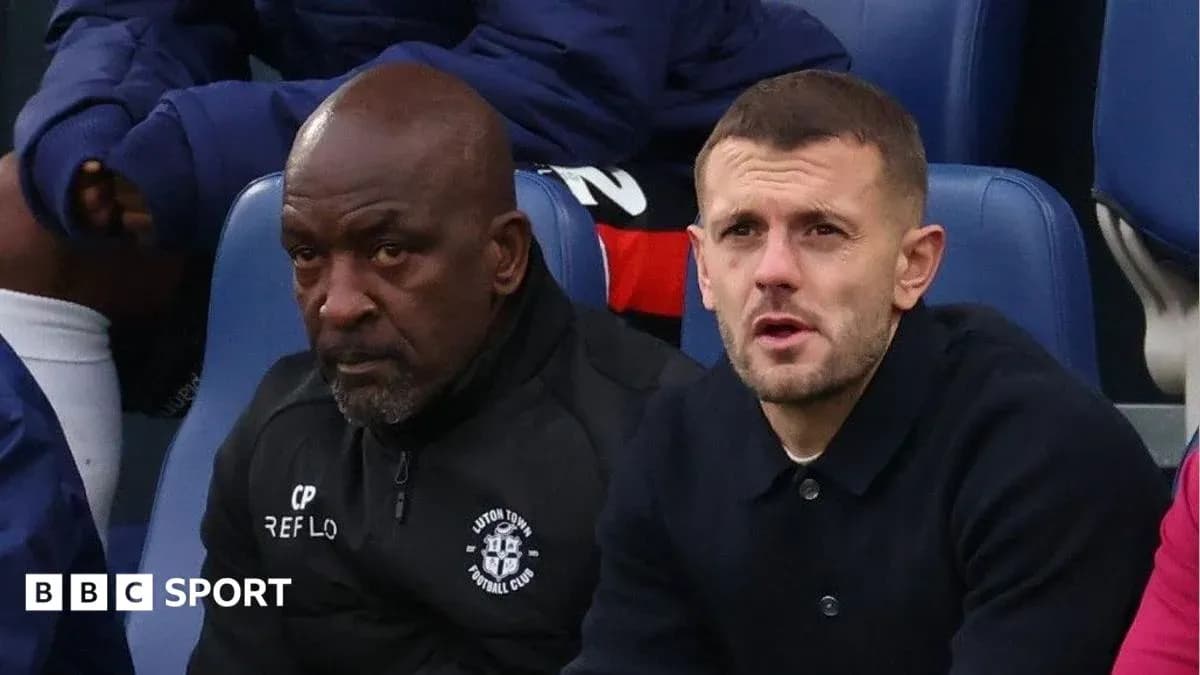
Chris Powell says Luton’s bruising defeat at Stevenage is “a case for VAR” in League One after two fiercely disputed goals and the dismissal of boss Jack Wilshere lit up a stormy afternoon at Broadhall Way.
Stevenage edged a 2-1 win, but the scoreline tells only part of the story. Luton’s staff and players left feeling the officials had decided far too much of it.
Fury over Stevenage opener
The flashpoint came early. Liam Walsh went down under a challenge from Dan Phillips in the build-up to the opener, and the away bench exploded. Luton were convinced it was a foul, the kind that gets given every week in the middle of the pitch. This time, the whistle stayed silent.
Play rolled on, Dan Kemp struck, and Stevenage were in front.
Wilshere raged. His protests crossed the line in the referee’s eyes, and the Luton manager was sent off, banished from the touchline as the temperature on and off the pitch rose another notch.
From the visiting dugout – now minus its manager – the anger barely cooled. Assistant manager Powell later called the challenge on Walsh “blatant” and insisted the goal should never have stood, pointing out that “everyone in the stadium” expected a free-kick.
“A clear offside” and a deeper grievance
If the first decision hurt, the second cut deeper. Stevenage doubled their lead through Josh Magennis, and again Luton felt the officials had failed them, this time with what Powell described as a “clear offside” in the build-up.
Two goals down, two decisions fiercely contested. For Powell, it crystallised a wider frustration about officiating standards at this level and the lack of technological support.
“I get it, referees have a tough job,” he said, acknowledging the speed of the game and the split-second nature of the calls. But his point was blunt: those calls can cost points, and by extension, cost people their jobs. To him, that is precisely why League One should now be talking seriously about VAR.
The replays, he argued, only hardened Luton’s sense of injustice. From their vantage point, Stevenage “had a helping hand” in securing a win that lifted Alex Revell’s side to fourth in the early League One table.
Luton rally, but fall short
On the pitch, Luton did at least muster a response. Kasey Palmer’s strike, diverted in by Mads Andersen, dragged them back into the contest and shifted the momentum. At 2-1, with time still on the clock, the game felt alive again.
Stevenage, though, refused to buckle. They absorbed the pressure, managed the closing stages and saw the game out, banking three points that could yet look precious later in the season.
For Luton, the defeat leaves them with a perfectly even record after six games – two wins, two draws, two losses – and a nagging sense that this particular setback did not come entirely on footballing terms.
Powell stressed the difficulty of the officials’ job, noting that they do not have the luxury of replays and work as a team of four plus an assessor. But that was little comfort on a day when, from Luton’s perspective, too many of those split-second judgments fell the wrong way.
Wilshere’s red card now adds another layer to the fallout. The Hatters’ boss will be absent from the dugout when Bradford City visit Kenilworth Road on 19 September, a match that already feels like an early test of Luton’s resilience – and of how quickly they can move on from a defeat they believe was shaped by more than just the 22 players on the pitch.