Liverpool’s Frustrating Search for Attacking Options
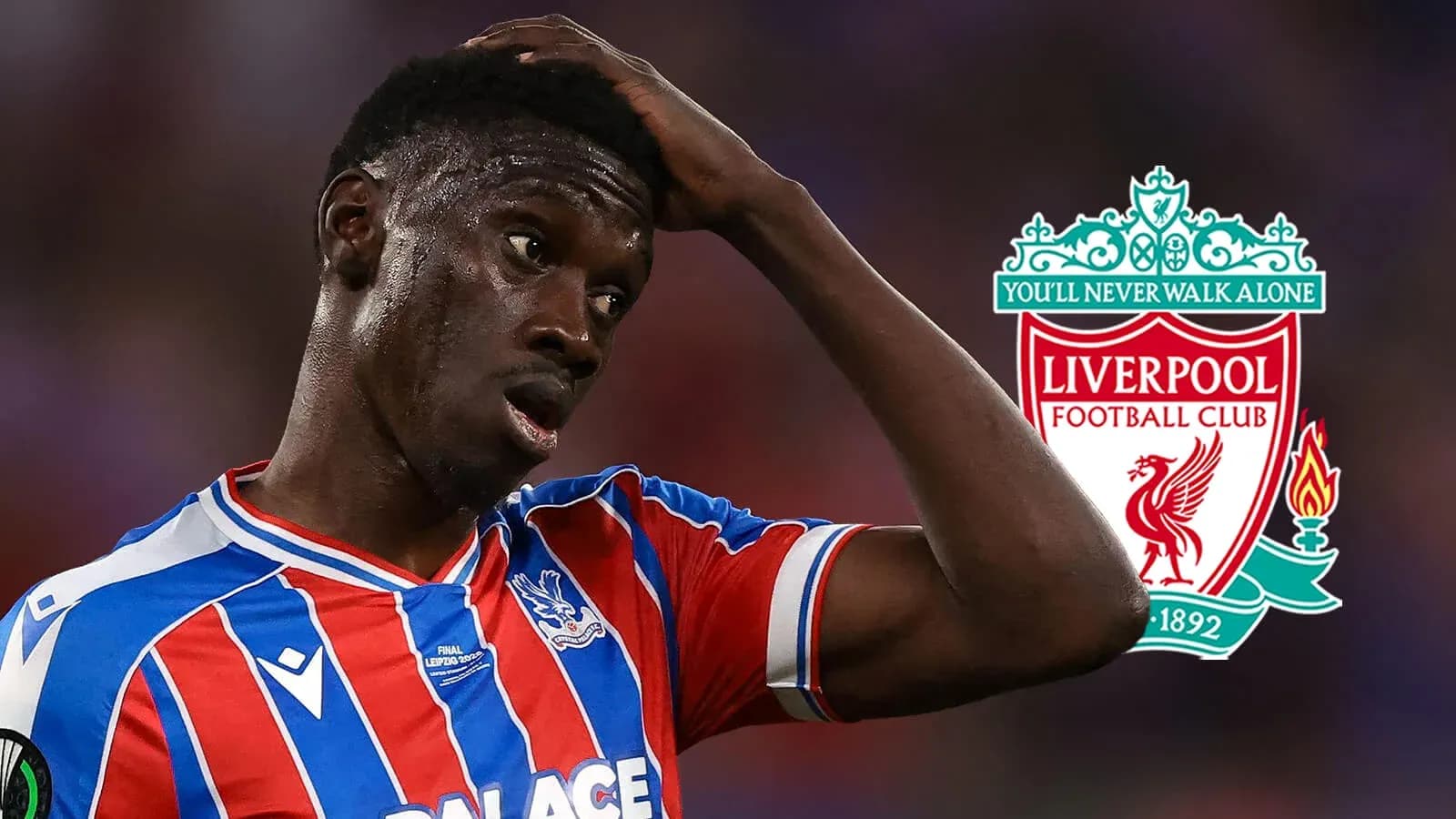
Liverpool’s frantic search for one last attacking spark ended in frustration – and a pointed rebuke from the man representing one of their top targets.
As the transfer window ticked into its final hours, the club had already secured Victor Munoz and pulled off a headline-grabbing £123million move for Bradley Barcola. One more winger was on the agenda. The recruitment team pushed hard. The market pushed back.
Liverpool’s late scramble meets Palace’s hard line
Crystal Palace’s Ismaila Sarr emerged as a prime candidate. Talks were held over several rounds, with Liverpool tabling a £40m offer for the Senegal international. Reports that they later raised that bid to £50m were quickly dismissed by other sources, but the direction of travel was clear: Liverpool wanted him.
Palace, though, drew a thick red line. The London club placed Sarr’s valuation north of £50m and made it clear they would not sanction a sale so late in the window. The message was blunt: pay over the odds, or walk away.
Liverpool walked.
Manchester United and Galatasaray had also circled Sarr. United never turned interest into a formal move. Galatasaray’s proposals came in well short of the £50m threshold. As the days ran out, Sarr deleted Crystal Palace-related images from his Instagram feed, a digital hint at his desire to move that never translated into an agreement.
The winger stayed where he was. The story, though, did not end there.
Agent’s fury: “Not just a commodity”
Diomansy Kamara, Sarr’s agent, broke his silence with a long, impassioned statement on social media, using the failed Liverpool switch – and another collapsed deal – to question how African players are treated in the market.
“The cases of Ismaïla Sarr and Lamine Camara must all interrogate us,” he wrote, before turning his focus to what he sees as a deeper problem.
“We have to get out of this logic where the African player can sometimes give the feeling that he is just a commodity: you buy it, you set its price, you negotiate its future and, too often, your will seems to go to the background.
“Our African players deserve respect. The respect of their work. The respect of their career. Respecting their ambitions. The respect of their voices.
“A transfer shouldn’t just be a matter of two clubs and numbers. Behind every contract, there’s a man, a career, dreams and life choices.
“The fact that clubs can sometimes have the final word is a reality of professional football.
“But one question remains: what about the career and the will of the player? The player must be able to be heard and respected in the decisions that determine his future.
“Let’s never forget what’s important: behind every success, it’s the players who write history first.”
Kamara’s frustration was sharpened by another last-minute collapse. Lamine Camara, also under his representation, saw a £47m move to Chelsea fall apart when Monaco pulled the plug on selling the midfielder at the final moment. Two big Premier League moves, two dead ends, one angry agent.
Missed wings and rising concern at Anfield
Liverpool’s search for width did not stop at Sarr. Yankuba Minteh of Brighton was another serious target. Verbal offers of £50m and £60m went in. Brighton said no.
Andoni Iraola’s side weighed up going higher, considering an improved package in the £65–70m range. Brighton’s response – an £80m price tag – effectively killed the chase. Minteh stayed put. Liverpool’s winger shortlist shrank to zero.
There was collateral elsewhere in the market. Ibrahim Mbaye, discussed during negotiations for Barcola, slipped away to Aston Villa for €55m (£47m). Another young attacking option gone, another door closed.
So Liverpool end the window with Barcola as the marquee attacking arrival, Munoz also through the door, but no third winger, no new right-back, no fresh central midfielder. For many supporters, that gap on the depth chart is hard to ignore.
The club has its star signing. The squad, though, still carries the same questions. And as Kamara’s words echo around the game, another question lingers over the next window: whose voice will be loudest when the big decisions come back around – the clubs, or the players writing their own history?