
Liverpool Denied Clear Penalty Against Arsenal – VAR Under Scrutiny
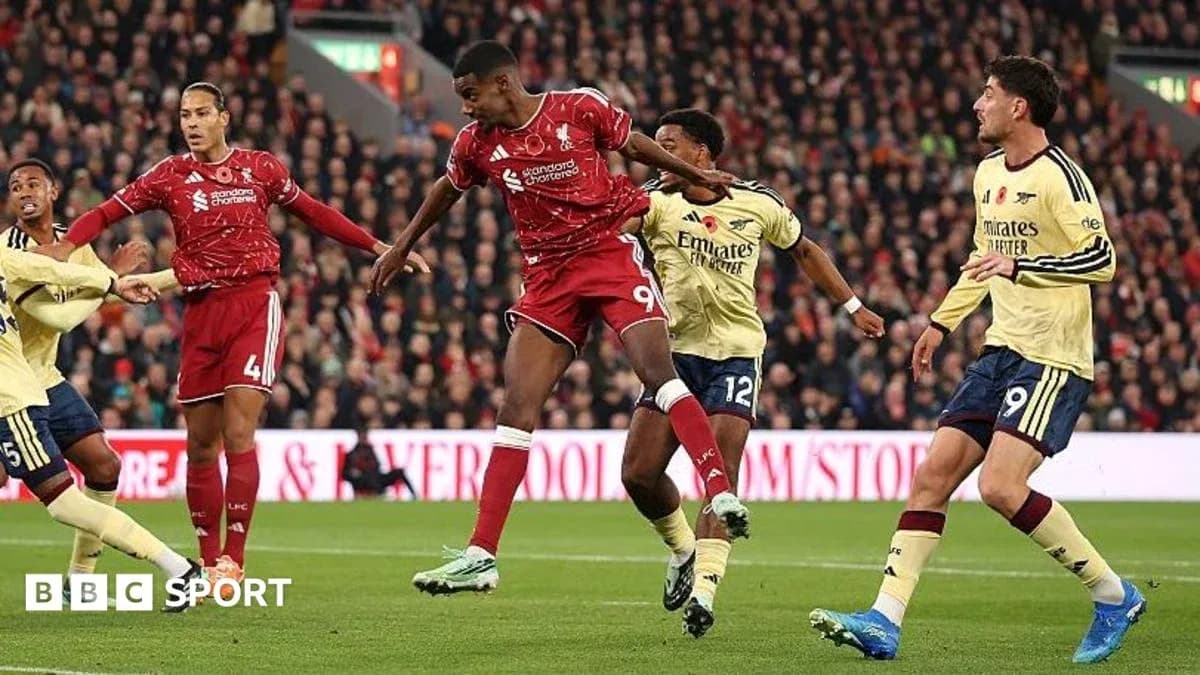
Liverpool were denied a penalty they should have had in their 1-0 defeat by Arsenal at Anfield, according to the Premier League’s own Key Match Incidents Panel – and VAR has been placed back under the microscope.
Panel says Liverpool spot-kick was missed
The flashpoint came in the 21st minute on 1 November. Bradley Barcola swung in a cross, Alexander Isak darted across the near post, and Jurrien Timber grabbed a handful of the striker’s shirt.
Isak, stretching, just failed to make contact with the header. Referee Andy Madley waved play on. VAR Stuart Attwell checked it and stuck with the on-field decision.
The panel has now ruled that was wrong.
By a 4:1 majority, the KMI Panel agreed a penalty should have been awarded on the field. On top of that, a 3:2 split decided that VAR should have stepped in and sent Madley to the pitchside monitor, branding the non-intervention a “clear and obvious error”.
At the time, Arsenal were already in front through Kai Havertz’s early goal – a strike that ultimately decided the game. In a tight contest between two title-chasing heavyweights, the decision looms large.
Two panellists argued the incident fell into a grey area, pointing to “subjectivity in assessing impact” as justification for leaving the original call alone. The majority saw it differently: the shirt pull was clear, the effect on Isak’s ability to head the ball obvious enough, and the failure to intervene unacceptable at this level.
There was no appetite, though, for escalating the sanction. The panel unanimously agreed Timber’s actions did not meet the threshold for a red card for denying an obvious goalscoring opportunity.
Isak, crucially, stayed on his feet.
Iraola’s frustration vindicated
In the aftermath, Liverpool manager Andoni Iraola made his feelings plain on BBC Match of the Day. He pointed directly to the shirt grab, arguing Isak had been prevented from attacking the ball in front of goal.
His wider point cut deeper: if Isak had gone to ground, Iraola insisted, the penalty would have been given “100%”. The message was stark – honesty is punished, simulation rewarded.
The panel’s verdict has now given weight to that frustration. The contact was there. The impact, in the majority view, was enough. The decision, they say, should have gone Liverpool’s way.
For a side chasing fine margins at the top end of the table, that stings.
Second VAR error in Ipswich–Hull clash
The scrutiny did not stop at Anfield. The KMI Panel also highlighted a second VAR mistake from 31 October, this time in the Championship clash between Ipswich Town and Hull City.
With the game goalless, Ipswich defender Dara O’Shea was held back at a corner by Nobel Mendy. Referee Peter Bankes missed it. VAR Neil Davies did not intervene.
The panel ruled Ipswich should have had a penalty.
Ipswich went on to take the lead shortly after the incident, but Hull fought back and the match finished 2-2. On paper, the missed spot-kick becomes just one moment in a chaotic contest. In reality, it adds another line to a growing charge sheet against VAR’s decision-making.
Two games. Two penalties the Premier League’s own experts say should have been awarded. In an era built on the promise of technological clarity, the question now is unavoidable: how many more of these will it take before trust in the system finally snaps?





