
Liverpool Denied Penalty Against Arsenal – KMI Panel Weighs In
Liverpool were denied a penalty they should have had in their 1-0 defeat to Arsenal at Anfield, according to the Premier League’s own Key Match Incidents Panel – and the ruling lands squarely in the middle of an already fierce debate about honesty, contact and the art of going down.
Panel says “clear and obvious” – twice over
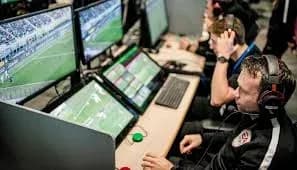
The flashpoint came in the 21st minute on November 1. Bradley Barcola whipped a cross into the Arsenal box, Alexander Isak darted across the near post, and Jurrien Timber grabbed a fistful of the striker’s shirt. Isak stretched but couldn’t quite make contact. Referee Andy Madley let play continue, with VAR Stuart Attwell checking and backing the on-field call.
Days later, the KMI Panel took a very different view.
By a 4-1 majority, the independent group ruled that Madley should have awarded a penalty on the pitch. On top of that, they voted 3-2 that VAR should have intervened and sent him to the monitor. The majority described the original decision not to award a spot-kick as a “clear and obvious error,” while the two dissenting voices leaned on the “subjectivity in assessing impact” – essentially, how much Timber’s tug truly affected Isak’s ability to reach the ball.
On one point, though, there was no disagreement: all five members agreed the incident did not warrant a red card.
At the time of the incident, Arsenal were already in front through Kai Havertz’s goal. That strike would remain the difference in a tight, tense contest that now carries an asterisk in the eyes of many Liverpool supporters.
Iraola’s frustration: “The answer is you have to dive”
Isak did what players are so often told to do. He stayed on his feet, fought to reach the cross and tried to play on. Liverpool manager Andoni Iraola believes that decision cost his side a penalty – and perhaps a result.
“There is a clear grab of the shirt,” he said after the match. “Alex was just in front of him. He was going to head in front of the goal but couldn’t because he grabbed the shirt. If he goes to the floor, they call the penalty, 100%.”
Then he pushed the argument to its uncomfortable conclusion.
“Next time, the managers should tell Alex to go to the floor, otherwise they won’t call it,” Iraola continued. “The answer is you have to dive. If you don’t dive they won’t call it.”
Those words now land with extra weight. The league’s own review panel has effectively confirmed the core of his complaint: there was enough in Timber’s pull to warrant a penalty, even without Isak collapsing under the contact.
VAR, subjectivity and the message to forwards
The numbers from the panel tell their own story. Four out of five say it’s a penalty. Three out of five say VAR should step in. That is not a marginal call; it is a majority on both counts, and it cuts against the on-field and VAR decisions on the night.
The two panel members who resisted the idea of VAR intervention pointed to that slippery word: subjectivity. How hard was the pull? How much did it actually change the outcome of the move? Isak “narrowly missed” Barcola’s cross, which gives room for debate. Did the shirt grab stop him making contact, or was it just part of the usual wrestling in the box?
The majority were clear. The contact mattered. The shirt pull had an impact. It should have been a penalty.
For forwards, the message is as stark as Iraola framed it. Stay up, fight through the foul, and you risk being ignored. Go down, and the decision becomes obvious, slow-motion replays filled with clear visual evidence of a player on the turf.
Liverpool leave Anfield with no points from that night and now an official admission that they should at least have had a chance from the spot. Arsenal leave with the win and no obligation to apologise for it.
The real question hangs over what comes next: will this ruling change how referees – and strikers like Isak – behave the next time a hand grabs a shirt in front of goal?





