Lindy Waters III Signs with Beijing Ducks After Spurs Tenure
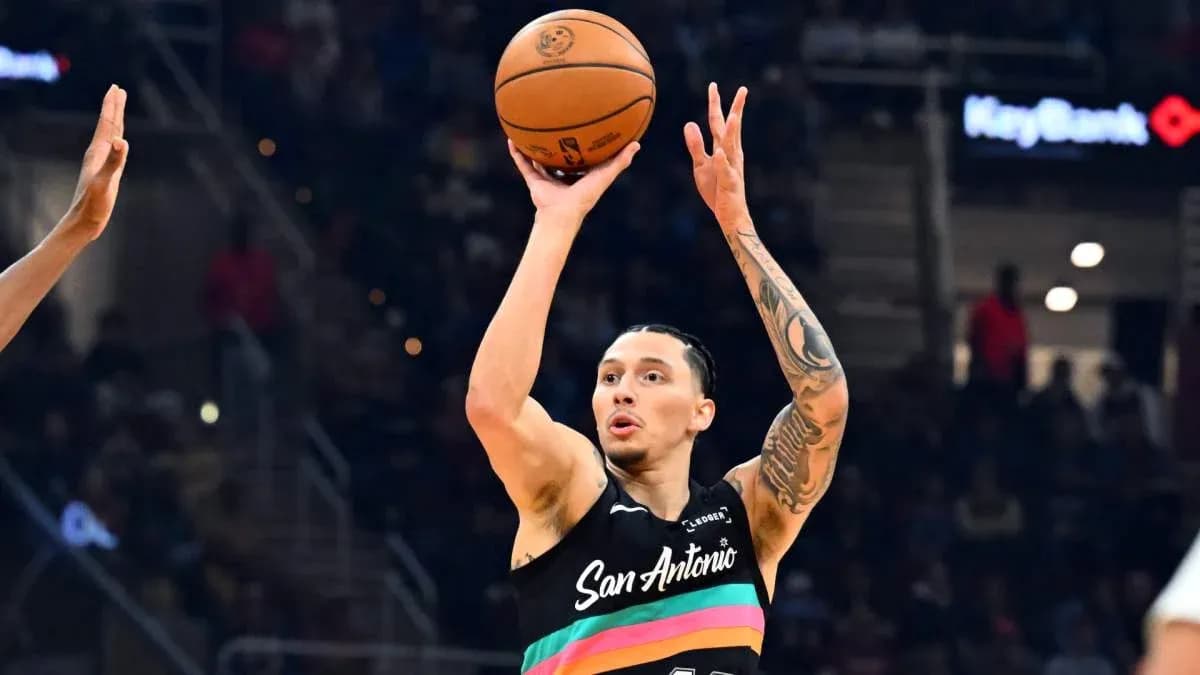
Lindy Waters III is heading east.
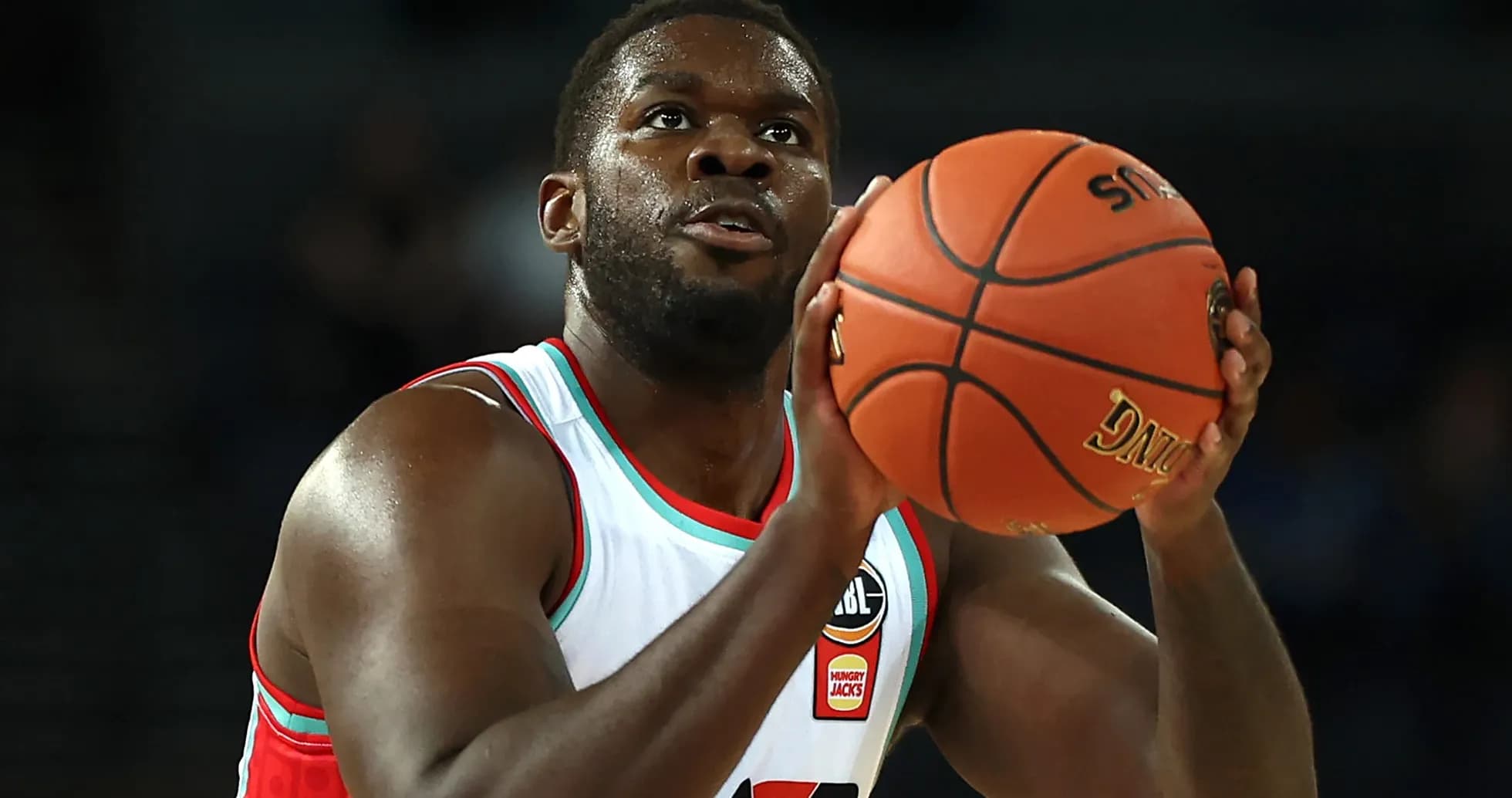
After five seasons of fighting for a foothold in the NBA, the 26-year-old wing has signed with the Beijing Ducks of the Chinese Basketball Association, closing the chapter on his time with the San Antonio Spurs and opening another on the other side of the world. Brett Siegel of ClutchPoints first reported the move, noting that the former Warriors and Spurs guard is “leaving the NBA to join the Beijing Ducks in the CBA.”
He won’t be alone in Beijing. Waters links up with fellow former NBA forward JaKarr Sampson on a Ducks team that already sits near the top of the Chinese league. Beijing finished fourth in the CBA last season with a 29-13 record and pushed through to the semifinals before bowing out to eventual champions Shanghai Sharks. They’re not a rebuilding project; they’re a contender looking for an edge. Waters arrives as part of that push.
From Undrafted to a Global Journey
Waters’ path has never been straightforward.
After four seasons at Oklahoma State, he went undrafted in 2020 and had to grind his way into the professional ranks. His first stop: the Enid Outlaws of The Basketball League, a far cry from NBA arenas but a crucial platform. From there, the Oklahoma City Thunder took a chance.
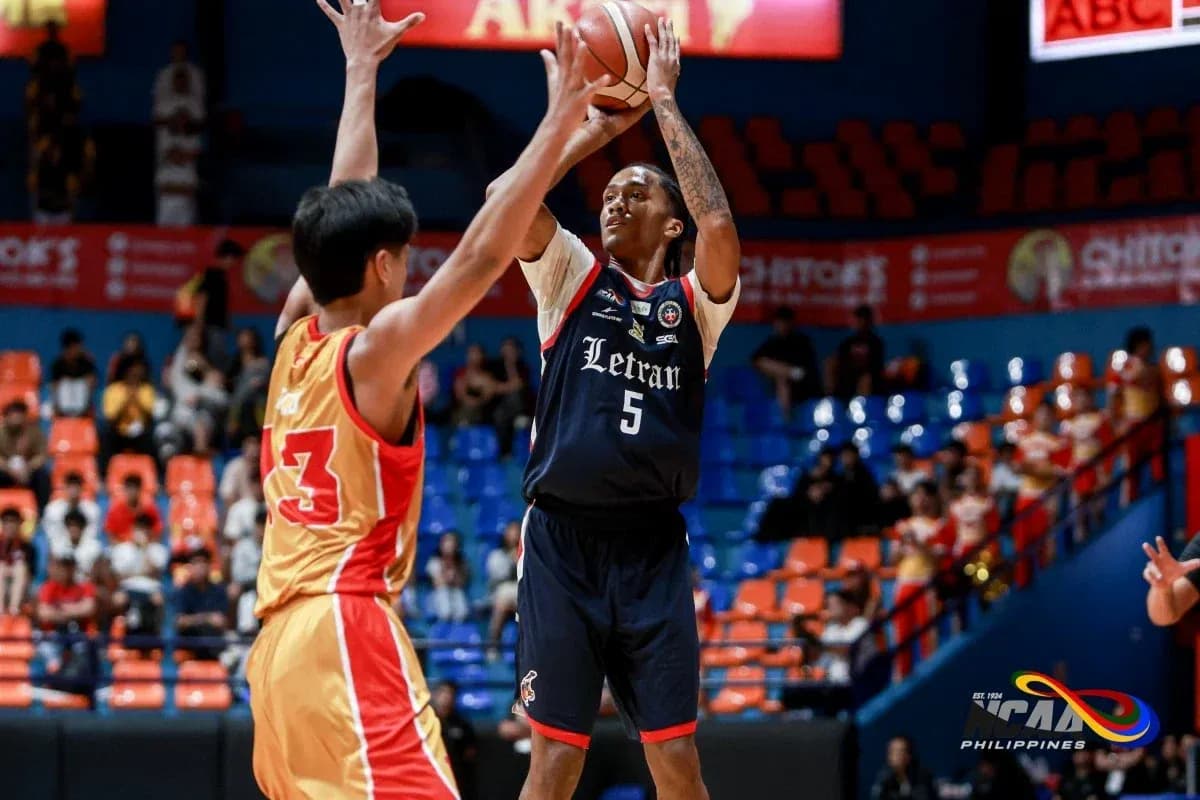
With the Thunder, Waters carved out a role as a two-way shooter, splitting his time between the NBA and the Oklahoma City Blue in the G League. Across three seasons in Oklahoma City, he appeared in 104 games and averaged 5.3 points and 1.8 rebounds, flashing the floor-spacing and energy that kept him on rosters even when minutes were scarce.
Golden State came calling in the summer of 2024. On a Warriors team built around pace, movement, and shooting, Waters found a more defined role. He played 38 games, started nine, and posted 5.5 points, 2.5 rebounds and 1.1 assists per contest. For a player who’d entered the league through the side door, it was a statement: he could belong in a rotation.
Then came the business side.
Midway through the 2024-25 season, Waters was shipped to the Detroit Pistons as part of the sprawling five-team Jimmy Butler trade. In Detroit, opportunity shrank. He logged 14 games, averaging 3.4 points and 1.0 rebound, another reminder of how quickly situations can change for role players on the fringes.
San Antonio offered the next chance. The Spurs brought him in last summer, and Waters suited up for 40 games, almost exclusively off the bench. His minutes were limited — 7.1 per game — and his scoring dipped to 2.4 points, but he remained a plug-in option when Gregg Popovich needed shooting or fresh legs on the wing.
He also tasted the game at its highest stakes. Waters appeared in nine postseason contests as the Spurs surged all the way to the 2026 NBA Finals, averaging 1.7 points in 3.8 minutes. The role was small, the stage enormous. Now, he takes that experience to a Beijing team with its own title ambitions.
Spurs Stay the Course
San Antonio’s decision not to bring Waters back fits into a broader offseason theme: continuity around a franchise cornerstone.
Coming off a Finals defeat, the Spurs resisted the urge to tear at the edges of the roster. Their headline move was locking in Victor Wembanyama on a five-year, $252 million extension — a clear declaration that everything in San Antonio will orbit around the French star for the foreseeable future.
The front office then turned to the supporting cast. Harrison Barnes, Julian Champagnie and Jordan McLaughlin all received new deals, preserving much of the rotation that helped power the Spurs’ deep playoff run. Stability, not shock, defined the summer.
They did, however, address a glaring need. Power forward had been circled as the position to upgrade, and the Spurs moved decisively to bring in veteran Tobias Harris on a two-year contract. Harris arrives with the résumé and versatility to immediately challenge Champagnie for the starting role, adding scoring and size next to Wembanyama in the frontcourt.
San Antonio also refreshed its pipeline through the draft. The Spurs used first-round picks on Jayden Quaintance and Tarris Reed Jr., injecting youth and upside into the frontcourt, while second-rounders Ja’Kobi Gillespie and Maliq Brown add more developmental pieces to a system that has long prided itself on turning prospects into contributors.
Waters, squeezed by numbers and priorities, became a casualty of that recalibration.
For him, the Ducks represent something different: bigger minutes, a prominent role, and the chance to be more than a spot shooter on the margins of a rotation. For the Spurs, it’s another small step in a larger project — building a long-term contender around Wembanyama while players like Waters take their talents to new stages, chasing their own versions of success.