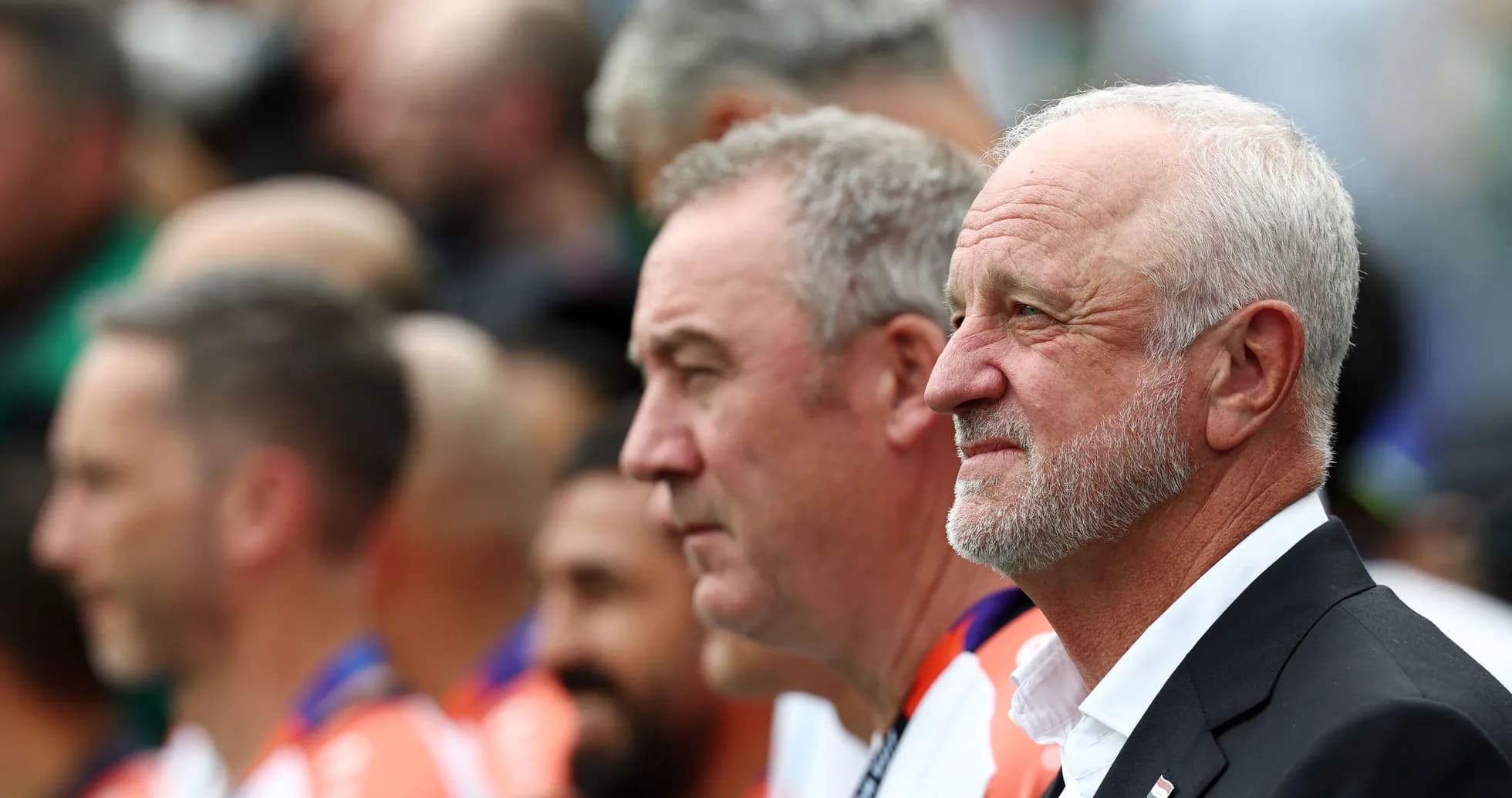
Lincoln City vs Southampton: A Clash of Styles
More than six decades have passed since Lincoln City and Southampton last shared a league pitch. March 1961: Southampton cruised to a 3-0 win in the second tier, part of an era when the Saints routinely dictated this fixture. The names have faded, the grounds have changed, but the numbers still lean heavily in one direction.
Across all competitions, Southampton have lost just one of their last 16 meetings with Lincoln (10 wins, five draws). That solitary defeat came in December 1960, a 3-2 reverse that now feels more like football folklore than relevant form. History, though, only tells half the story. The present paints something very different.
Lincoln arrive as the most stubborn side in England’s top four tiers in 2026. Nobody has kept more clean sheets this calendar year: 13 shutouts, built on discipline, structure, and an unflinching commitment to defensive detail. The trend isn’t slowing either. They’ve locked out their last two Championship opponents, turning matches into grind-it-out affairs where one goal often feels like three.
Southampton live at the other extreme. Every game is a ride. They’ve scored 19 and conceded 11 across their last eight league fixtures, finding the net and being breached in every single one. It’s a run that hasn’t been this wild since November 2009, when they strung together 10 consecutive League One matches with goals at both ends. Control is not the word. Entertainment is.
So the collision is clear. Lincoln’s clean-sheet machine against Southampton’s end-to-end chaos. One side thrives on order, the other on volatility.
For Lincoln, the challenge is to drag the match into their rhythm: tight lines, limited space, and a refusal to let the game open up. For Southampton, the task is the opposite: stretch it, speed it, and test a back line that has forgotten what it feels like to be repeatedly exposed.
The weight of history sits with the Saints. The form book, at least defensively, leans towards Lincoln. When a fixture returns after 65 years, one question lingers: does the past still matter, or is this the day the pattern finally breaks?