Assessing Hamilton’s F1 Legacy and Future
Hamilton's Standing in Formula 1
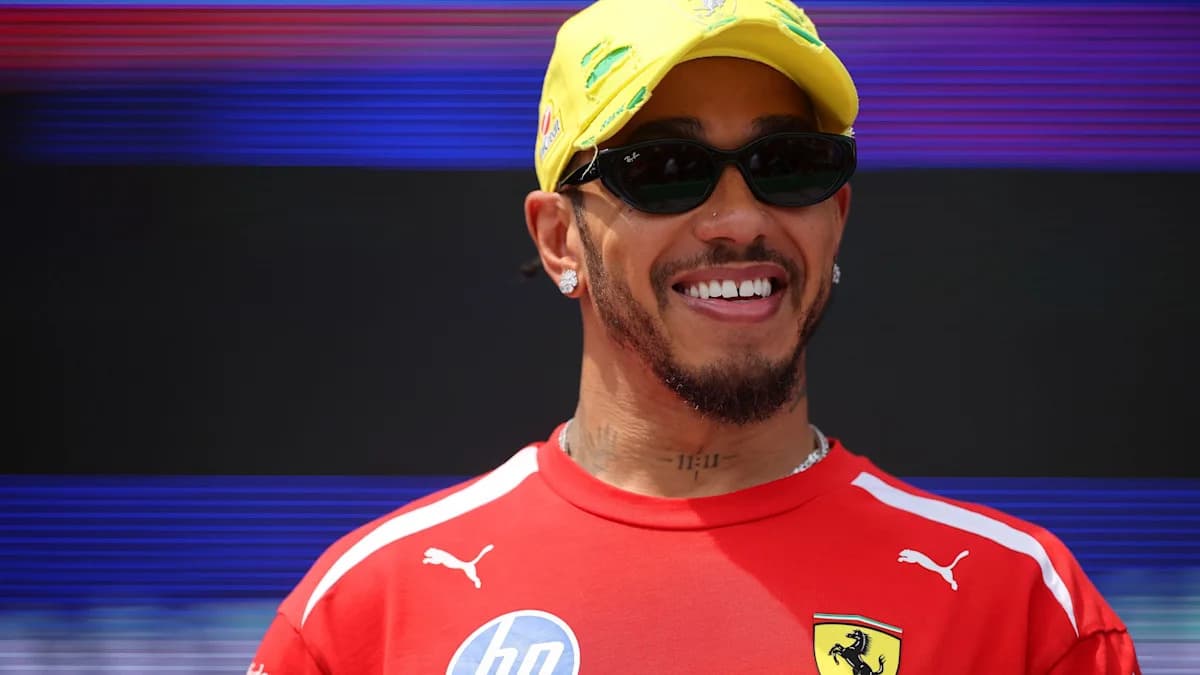
Lewis Hamilton recently marked his 400th Formula 1 Grand Prix, with over 100 pole positions to his name. While some drivers boast a higher pole percentage, Hamilton’s record remains extraordinary. He holds the joint record for most world championships, sharing seven titles with Michael Schumacher. Many believe he deserves an eighth, especially considering the contentious 2021 season finale.
His greatness extends beyond numbers; Hamilton has delivered performances that have entered the sport’s folklore, such as his drives at the 2008 British Grand Prix and the 2021 Brazilian GP. Throughout nearly every season, except for 2022, 2023, and 2025, he has managed to win races.
The transition to ground-effect cars from 2022 to 2025 proved challenging. Hamilton struggled to match his usual dominance, losing to teammate George Russell twice and falling behind Charles Leclerc in 2025. Some attributed this to difficulty adapting to new driving styles, raising speculation about the impact of his age—he is now 41.
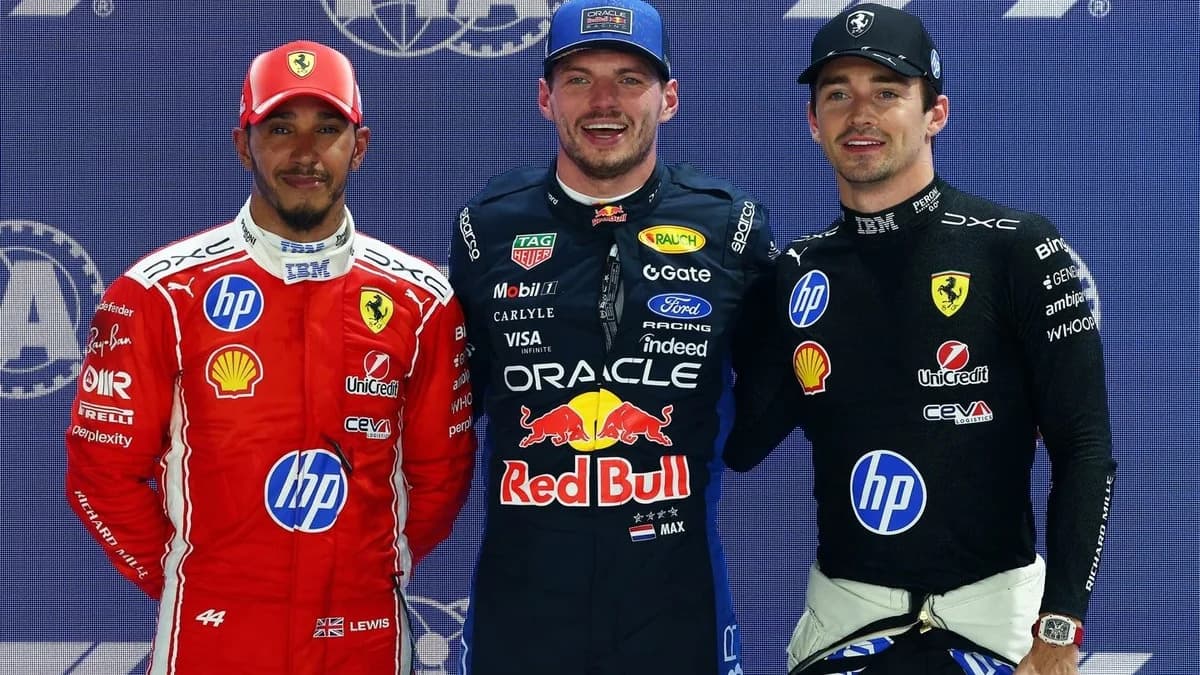
Yet, with this year's car design, Hamilton appears revitalized, competing fiercely against Leclerc. Despite lingering questions about those four seasons, Hamilton himself downplays age concerns. After securing pole in Brazil, he said, "I still have the pace, I still have the speed and I still have the dedication, which is most important."
How Long Can Hamilton Continue?
Longevity in sports varies widely among athletes. Fernando Alonso, at 45, continues to perform impressively, including in Brazil recently. Hamilton has expressed a desire to race until Formula 1 returns to Africa, scheduled no earlier than 2030 when he will be 45. However, this requires contract extensions beyond his current deal with Ferrari, which ends next year.
Why Has Yo-Yo Racing Declined This Season?
Early this year, yo-yo racing became common due to the new power units balancing internal combustion and electric power nearly equally. Drivers could use 'boost' to access extra electrical energy and 'overtake mode' granted additional energy when trailing closely.
This led to repetitive overtakes where drivers used bursts of energy to pass, only to be overtaken again moments later. Recently, this phenomenon has lessened for two reasons:
- Recent tracks demand less from energy-starved cars.
- Teams and drivers have gained experience managing these complex power units more efficiently.
Rule tweaks introduced energy limits at demanding circuits, smoothing out energy peaks and troughs. Planned changes will shift energy splits to 60-40 by 2028, likely reducing overtaking but improving drivability. Whether fans prefer this remains uncertain.
Esteban Ocon’s Choice to Remain in F1 as a Reserve Driver
After losing his race seat with Haas, Esteban Ocon insisted his F1 career was not finished. Choosing to stay as a reserve driver allows him to remain connected, ready to fill in if needed, and keep up with current technology through simulators and occasional driving.
Moving to other series like IndyCar or Formula E risks fading from the spotlight. Staying within F1 keeps him relevant and visible to teams and fans alike.
Racing Bull's 2027 Driver Lineup Decisions
Despite strong performances, Liam Lawson has not been confirmed for 2027. The decision lies with Red Bull shareholders and team leadership. Lawson competes with teammate Arvid Lindblad and F2 star Nikola Tsolov for spots.
The traditional Red Bull approach might have dropped Lawson immediately in favor of fresh talent. However, some argue keeping Lawson alongside Lindblad next year provides a reliable benchmark and more data to evaluate the younger drivers. Team boss Alan Permane explained they want to make measured decisions rather than rushed calls, aiming to get the right results.
Preserving Classic Circuits in F1
F1 balances global reach, exciting racing, track variety, and financial gain when shaping its calendar. Classic tracks often come from countries less willing or able to pay high hosting fees, unlike some autocratic nations that invest heavily for international prestige.
Despite this, F1 strives to keep iconic venues like Monaco, Silverstone, Spa, and Suzuka involved, sometimes making compromises such as rotating Spa’s presence. Meanwhile, new circuits like Las Vegas bring spectacle even if their layouts lack traditional challenges.
Future tracks designed by former driver Alex Wurz in Qiddiyah and Rwanda aim to offer satisfying racing experiences and appeal to drivers.
Recent Sao Paulo GP Highlights
- Lando Norris converted his pole position into a win despite a firework incident.
- Max Verstappen recovered from the back of the grid to finish second.
- Isack Hadjar secured third place on the podium.
- Mercedes clinched the constructors’ title, thanks to fourth place for George Russell and fifth for new world champion Kimi Antonelli.