
Lennart Karl's Rollercoaster Journey: Danks Steps In for Kompany
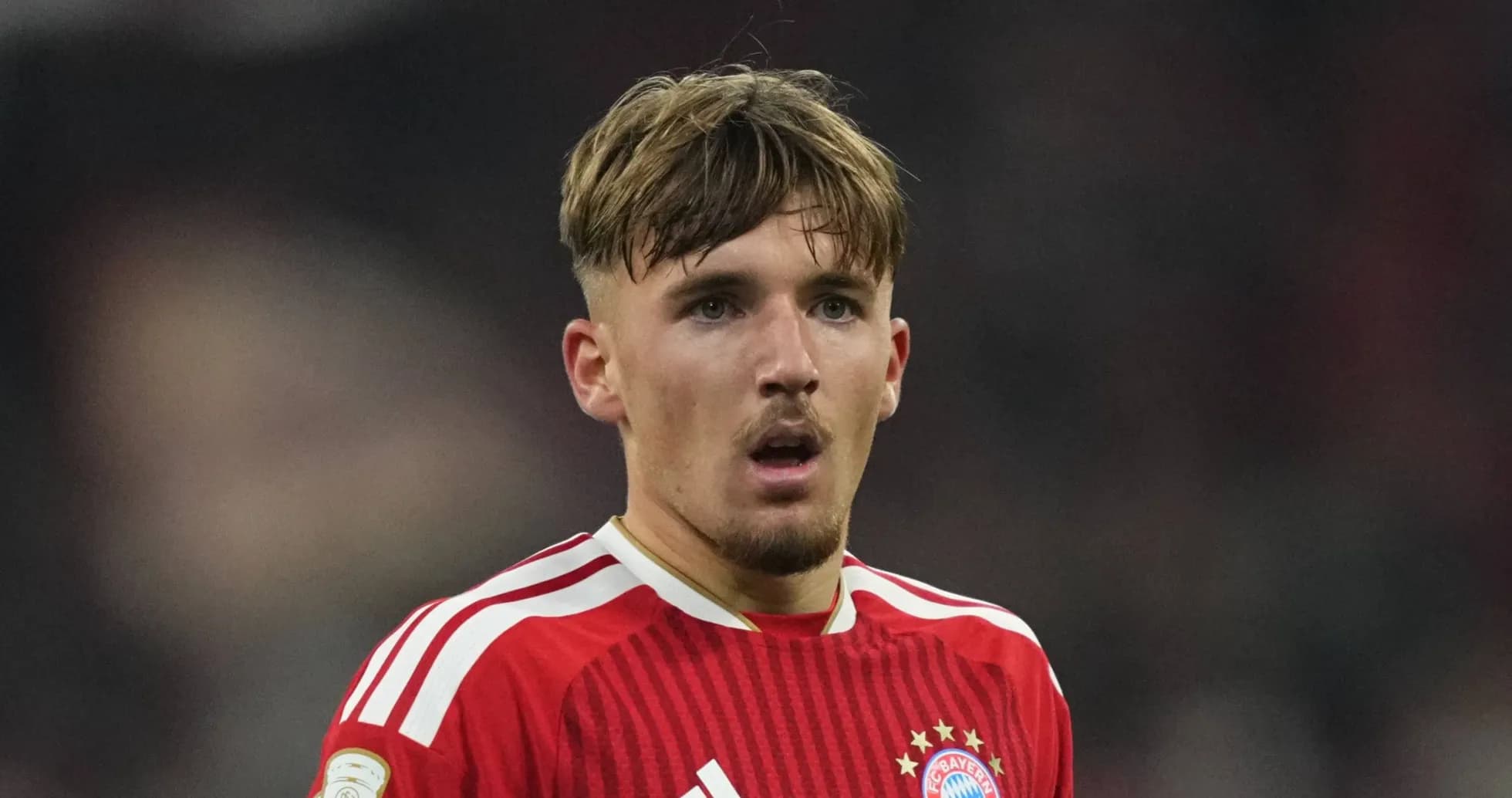
Danks steps in for Kompany – and shields Karl from the storm
Lennart Karl’s season has felt like a fast‑forwarded career. Breakthrough, hype, setbacks, criticism – all crammed into a few frantic months. On Friday, with Vincent Kompany sidelined by illness, assistant coach Aaron Danks stepped in front of the cameras and did something important: he put an arm around the 18‑year‑old in public.
"I have been a coach for a long time and have spent most of that time working with young players," Danks said, leaning on his years in youth development with the English FA. This was not a throwaway line. It was a reminder that he has seen this story before.
Then he turned directly to Karl’s situation.
"What Lenny is going through right now is completely normal. Everyone expects and hopes that the path will lead straight to the top. But in reality it is like a rollercoaster: there are highs and lows, fluctuations in performance, moments of great confidence and moments of little confidence. We believe in him, stand behind him and encourage him to work hard."
The message was clear. The club staff want to protect the player, even as voices higher up have sharpened their tone.
From meteoric rise to stalled momentum
Karl exploded onto the scene last autumn. An 18‑year‑old right winger with pace, daring and a fearlessness that instantly caught the eye. Then the brakes slammed on.
Injury problems disrupted the second half of his season. Each knock cost him rhythm, each spell on the sidelines chipped away at his momentum. The World Cup came and went without him. A dream delayed, maybe, but not destroyed.
This campaign started badly. Karl disappointed early, his form dipping as quickly as it had risen. The sparkle dulled. Yet recently, there have been flickers again. He has started twice in a row, and with that has come a hint of the old electricity.
Wednesday’s 6-1 win over 1. FC Magdeburg felt like a small step in the right direction. Karl did not dominate the game, but he influenced it. He threaded a fine through ball in the build-up to Michael Olise’s opener for 1-0 and later laid on the 4-1 goal. Two moments, both sharp, both decisive.
"In the last two games, he has shown some really positive signs. He has worked hard, carried out his defensive duties for the team very well and shown moments of real quality," Danks said. The numbers back that up: 443 minutes across 11 appearances this season, with one goal and two assists. Not spectacular, but not the profile of a player lost at sea either.
Hoeneß and Eberl turn up the heat
While Danks opted for protection, the tone from the club hierarchy has been more severe.
Several leading figures have criticised Karl in recent weeks, focusing not only on his form but also on his behaviour away from the pitch and on social media. For a teenager still learning what it means to live under the spotlight, the glare has been harsh.
Honorary president Uli Hoeneß did not hide his frustration. He announced he would have a "serious conversation" with Karl – words that carry weight given his history of direct, uncompromising interventions in dressing-room matters.
Sporting director Max Eberl also sent a pointed message after the Magdeburg game. He spoke of "one or two missteps" and issued a clear challenge: "Lenny has to show on the pitch that he is coming out of this slump."
The contrast is striking. Public backing from the touchline, public pressure from the boardroom. Somewhere between those poles, an 18‑year‑old is trying to find his balance.
Dortmund on the horizon, bench likely
Now comes a different kind of test. Saturday’s Bundesliga top match against Borussia Dortmund (6.30pm) is the sort of stage Karl once seemed destined to own. For the moment, he will probably have to watch it start from the sidelines.
Karl is expected to feature only as a substitute, a role that underlines his current status: no longer the untouchable wonderkid, not yet the finished article, but still very much part of the plan.
If he does get on, the spotlight will find him again. Not just from the stands or the cameras, but from Hoeneß, from Eberl, from Danks and Kompany. Every touch will be read as a sign – of recovery, or of lingering doubt.
For a player whose journey has already felt like a rollercoaster, the next twist may come in the space of a 20‑minute cameo against Dortmund.





