Lakers Consider Trade for Nicolas Claxton to Strengthen Frontcourt
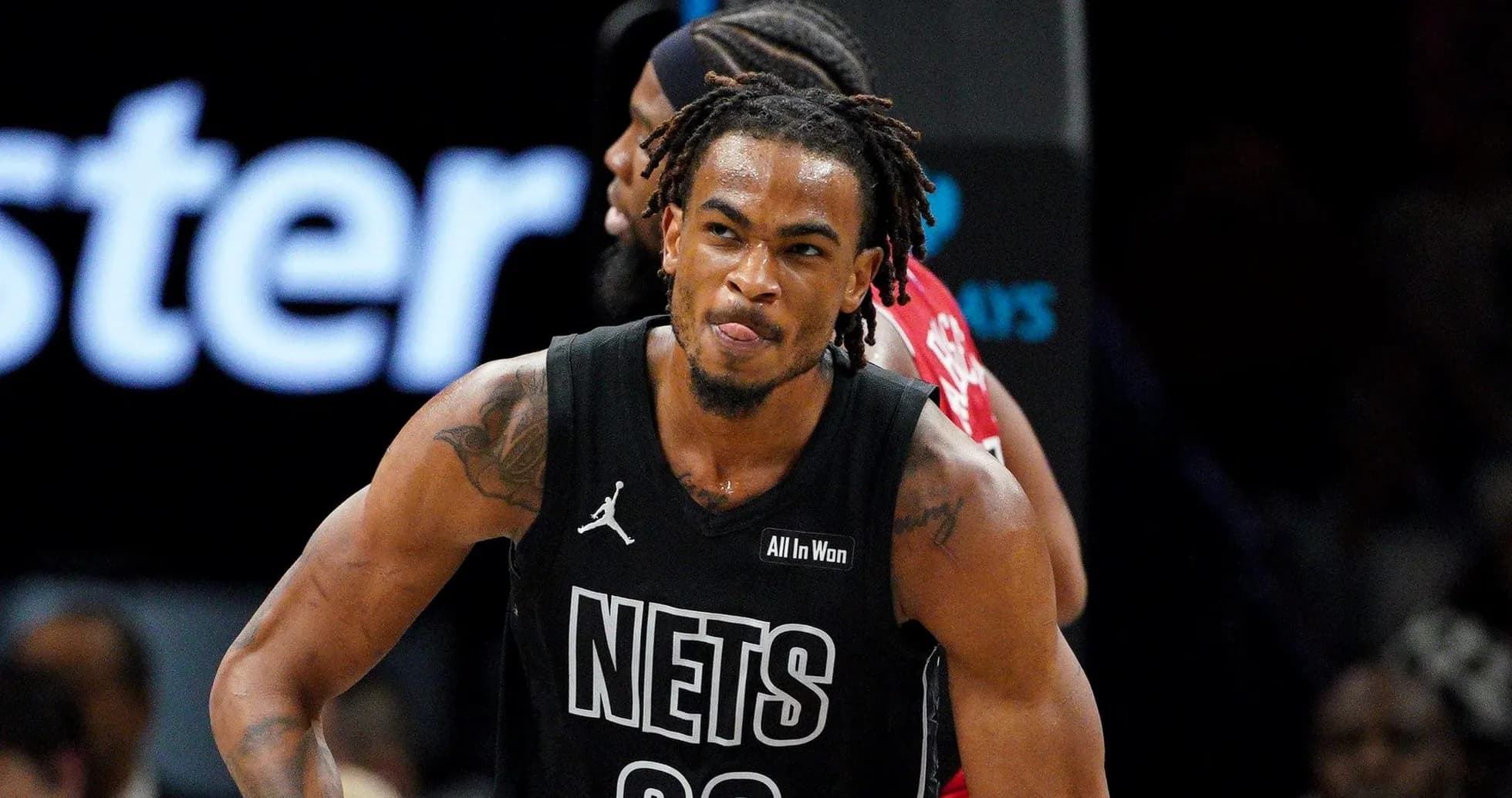
The Los Angeles Lakers have spent the summer stockpiling guards and wings. At some point, someone had to ask the obvious question: who’s going to anchor the paint when the games actually matter?
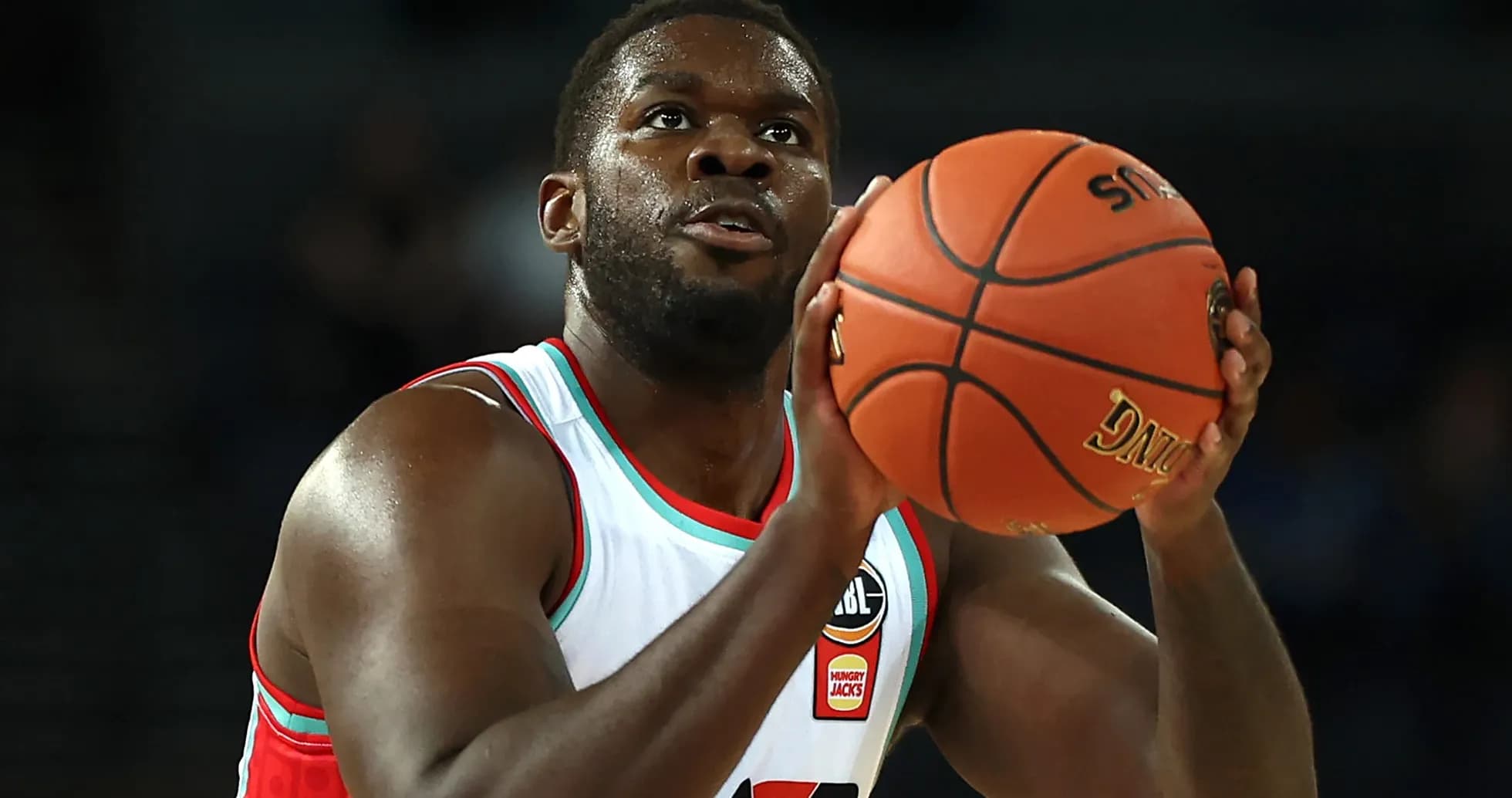
One trade concept making the rounds offers a blunt answer — Nicolas Claxton.
In a three-team construction involving the Chicago Bulls and Milwaukee Bucks, the Lakers would streamline a bloated roster, plug a glaring frontcourt hole and hand JJ Redick the kind of vertical, switchable big every modern offense craves.
The framework is simple enough:
- Lakers receive: Nicolas Claxton
- Bulls receive: Myles Turner, Jericho Sims, Jaden Hardy
- Bucks receive: Isaac Okoro, Jarred Vanderbilt, Dalton Knecht
On paper, it’s clean. On the floor, it’s a statement.
Lakers: A Real Center for a Guard-Heavy Contender
The Lakers’ issue isn’t talent. It’s balance.
Walker Kessler and Kevon Looney arrived as the nominal answers in the middle, but last season they managed just 26 combined games. That’s not a rotation; that’s a medical report. Behind them, there’s no real size to throw at Nikola Jokic, Victor Wembanyama or Chet Holmgren. In the West, that’s asking for trouble.
Claxton changes the equation.
At 27, he fits the timeline of Luka Doncic and Austin Reaves and gives Redick a classic rim-runner who can live in the pick-and-roll. Claxton sprints into screens, dives hard, and finishes above the rim. With Doncic manipulating defenses and Reaves snaking into space, Claxton becomes a constant pressure point at the cup.
Defensively, he gives the Lakers exactly what they lack when Kessler sits: a mobile big who can protect the rim and survive in space. Redick could toggle between Kessler’s size and Claxton’s mobility, or even roll out two-big lineups when Kessler’s improving three-point range allows it. Against jumbo frontcourts in the West, that flexibility matters.
There’s also the number that front offices care about as much as points and rebounds: $21 million. Claxton is on an expiring deal next season. That keeps the Lakers’ long-term books clean and preserves optionality. If the fit isn’t perfect or a bigger star shakes loose, his contract is movable rather than an anchor.
The trade trims the Lakers from 16 players down to 14, immediately solving their roster crunch and leaving an open spot for a late-season buyout addition. For a team that expects to be active around the margins, that empty chair could be valuable.
Bulls: Turner’s Shooting Around a New Franchise Core
Chicago, in this scenario, accepts that Nic Claxton is more asset than answer.
He arrived in the Windy City via the Julius Randle deal, but the Bulls’ frontcourt is already tilting young: Jalen Smith, Australian prospect Lachlan Olbrich, and Tobe Awaka headline a developing center rotation. With Tiago Splitter steering a rebuild and Caleb Wilson emerging as the new franchise centerpiece, the fit with Claxton is awkward.
Myles Turner, though, fits cleanly.
Turner stretches the floor in a way Claxton simply doesn’t. He averaged 2.1 made threes on 38% shooting last season, the kind of efficiency that forces defenses to respect him 25 feet from the basket. Surround Wilson with that kind of spacing, then add Matas Buzelis and Josh Giddey, and suddenly Chicago’s half-court geometry looks a lot more modern.
Turner can still protect the rim, but offensively he drags bigs out of the paint and opens driving lanes for Wilson and Giddey. For a rebuilding team trying to grow a star playmaker and a versatile forward, that spacing is developmental oxygen.
Jericho Sims arrives as a complementary piece, a bouncy backup who can soak up minutes behind Smith, Olbrich and Awaka. Jaden Hardy adds another young guard who can score in bunches and potentially grow into a rotation role as the Bulls reset their timeline.
For Chicago, it’s less about winning the deal on name value and more about alignment. Turner’s shooting, Wilson’s upside, Buzelis’ versatility, Giddey’s playmaking — that’s a coherent identity.
Bucks: Cap Relief and a Cleaner Timeline
Milwaukee’s angle is ruthless but logical.
Myles Turner is on a four-year, $109 million contract, with the number climbing toward $29 million when he turns 34. For a team pivoting toward youth under Taylor Jenkins, that’s the sort of deal that can quietly become a problem.
This trade lets the Bucks step away before it does.
By sending Turner out, Milwaukee takes back Isaac Okoro, Jarred Vanderbilt and Dalton Knecht. On the spreadsheet, it’s a tidy bit of work. Okoro and Knecht are on expiring contracts, while Vanderbilt’s deal runs through 2027-28 with a player option at the end. The long-term cap sheet suddenly looks far less congested.
On the floor, the logic is even sharper. Kel’el Ware is being groomed as the starting center, with John Butler Jr. and Nate Arment behind him as developmental bigs. Turner, at this stage, clogs that pathway. He doesn’t match the Bucks’ new timeline or their rotation priorities.
Okoro offers perimeter defense on the wing. Vanderbilt brings energy, size and rebounding with the ability to guard multiple positions. Knecht is a scoring wing prospect who can grow alongside Ware and the rest of Milwaukee’s young core. None of them carry Turner’s financial weight.
The message is clear: the Bucks are committing to a younger, more flexible build, not clinging to a veteran big whose best seasons might not align with their next real window.
One move. Three teams. Three very different motivations.
For the Lakers, it’s about shoring up the back line behind Doncic and Reaves without sacrificing future flexibility. For the Bulls, it’s about spacing the floor around Caleb Wilson and embracing a true rebuild. For the Bucks, it’s a calculated step away from an expensive veteran in favor of a cleaner cap and a younger core.
If a deal like this ever left the whiteboard and hit the league office, it wouldn’t just shuffle names on a transaction log. It would reshape how three franchises attack the next phase of their ambitions — and in Los Angeles, it might be the difference between another “what if” and a frontcourt built to survive the West’s giants.