Lakers Target Noah Clowney in Three-Team Trade Proposal
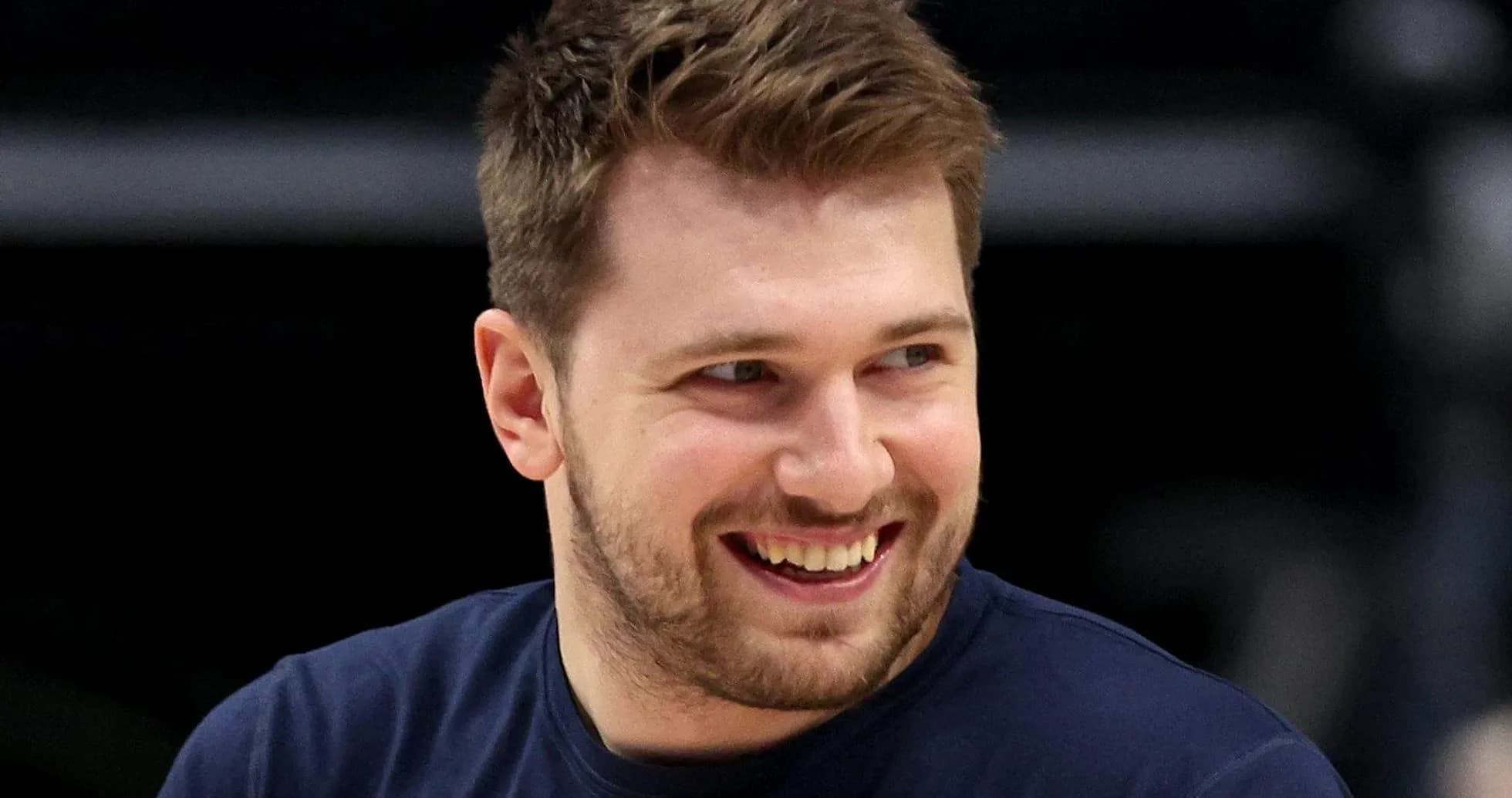
The Los Angeles Lakers are still hunting for help, but this time the target isn’t a headline-grabbing star. It’s a 22-year-old stretch big who might quietly solve one of their most obvious problems.
A Three-Team Swing for a Stretch Big
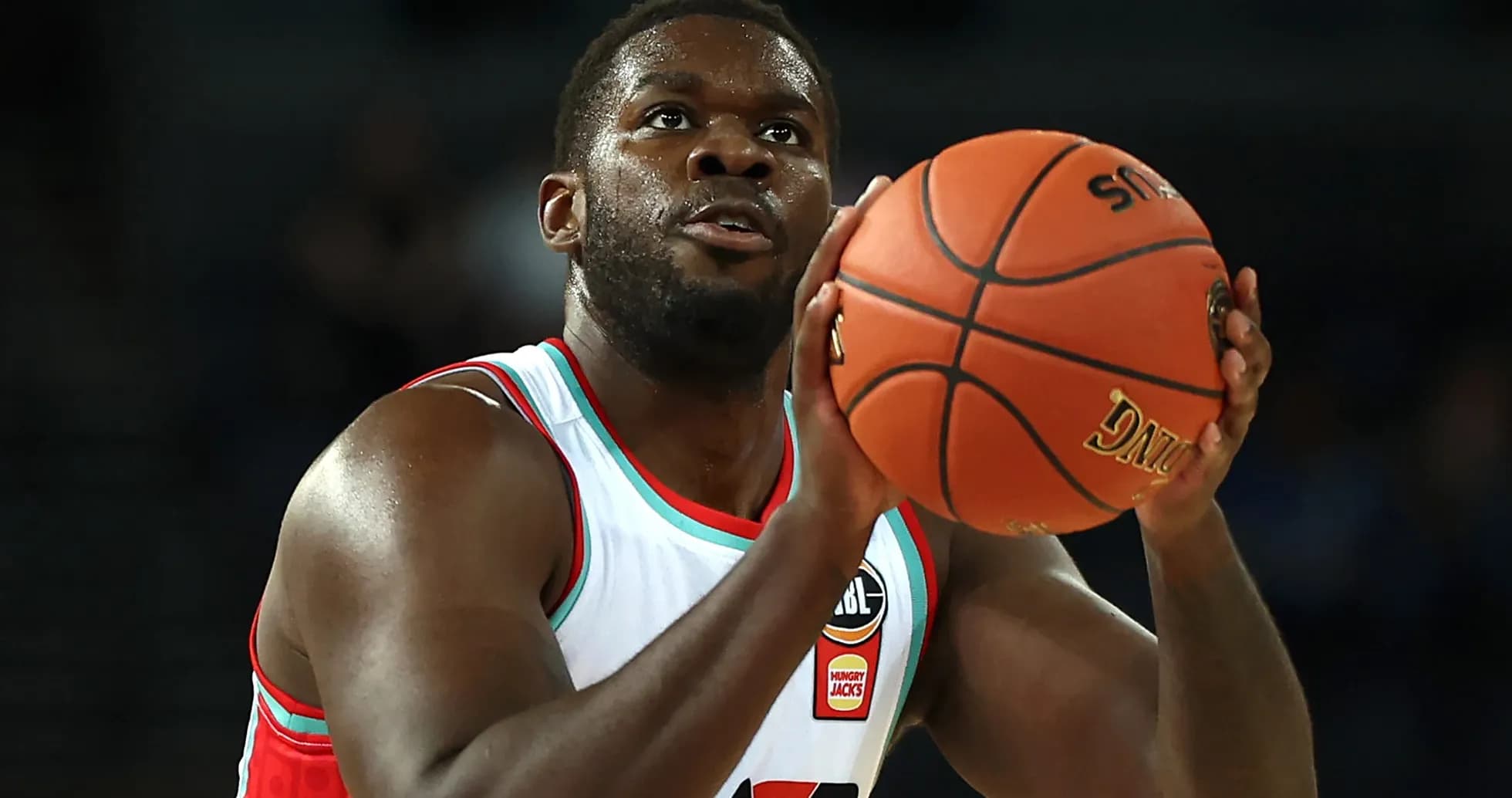
In a proposed three-team deal involving the Brooklyn Nets and Los Angeles Clippers, the Lakers would bring in Noah Clowney, a 6-foot-10 forward whose game screams “modern frontcourt fit” next to Luka Doncic.
The framework:
- Lakers receive: Noah Clowney and a 2033 second-round pick (via Clippers)
- Nets receive: 2031 and 2032 second-round picks (via Wizards)
- Clippers receive: Dalton Knecht
It’s not a blockbuster on paper. No All-NBA names, no max contracts flying around. But for a Lakers roster that’s already committed to its main stars and now needs reliable depth, this is exactly the kind of move that can tilt a season at the margins.
Cap, Cost, and Calculated Risk
From a financial standpoint, this is a clean, almost surgical maneuver. Clowney is set to earn $5.4 million next season, Dalton Knecht $4.2 million. The salaries don’t match perfectly and would nudge the Lakers closer to negative tax space, but not in a way that detonates their cap sheet.
The key question is simple: is Clowney worth giving up Knecht and two future seconds?
For the Lakers, the answer leans toward yes. Clowney has already shown he can handle consistent NBA minutes. Knecht, arriving a year later into a far more crowded rotation, was always staring at a single-digit minutes role in Los Angeles. One player has already lived through the growing pains. The other is just about to start them.
The Lakers, building around Doncic, don’t have endless patience for projects. They need pieces who can help now, even if they still have room to grow.
Brooklyn’s Dilemma
Brooklyn’s side of this is more complicated.
Clowney just turned in the best season of his young career. He started 60 of 66 games, averaging 12.3 points, 4.1 rebounds, and 1.6 assists. Those are not empty numbers on the fringe of a rotation; they’re the stat line of a player who has figured out how to impact games consistently.
He took his time getting there. Clowney developed gradually in Brooklyn, only becoming a full-time starter in his third year. But once he got the role, he made it count.
Now the Nets face a familiar roster-building problem: do you pay to keep a young piece who might be on the verge of a breakout, or do you move him early and control the asset while you still can?
They need to trim the roster and don’t have ideal flexibility to offer him a comfortable extension. Let him hit restricted free agency next summer, and the risk spikes. Either you overpay to match an offer sheet, or you watch him walk for nothing. This trade at least brings back future seconds before that decision becomes a headache.
Maybe Brooklyn decides to bet on the upside and keep him. Given his age and trajectory, it wouldn’t be a surprise if they did. But that’s the tension: potential versus flexibility.
Why Clowney Fits the Lakers
For the Lakers, the appeal is obvious the moment you picture him on the floor with Doncic.
Clowney can stretch the floor as a big, pull opposing centers away from the paint, and still function as a lob threat. That combination opens driving lanes for Doncic and turns basic pick-and-roll actions into something far nastier to guard.
He’s not just a standstill shooter or a rim-runner. Clowney moves well for his size, fast enough and agile enough to punish slower bigs. He can put the ball on the deck, create his own scoring chances, and isn’t shy about trying to manufacture offense when the play breaks down.
For backup bigs across the league, that’s a problem. Switch a smaller defender onto him and he can shoot or drive over the top. Leave a slower big on him and he can drag them into space and attack off the bounce. That’s the “cheat code” profile coaches dream about in a rotation big.
The Lakers’ frontcourt has been thin, and their margin for error around their stars is even thinner. Clowney, on a low-cost deal, gives them something they badly need: a young, playable, scalable big who doesn’t require the ball to be effective but can still punish defenses when it finds him.
A Long-Term Play in a Win-Now Window
This isn’t just about next season’s rotation.
At 22, Clowney still has room to grow, and the Lakers would effectively be buying the results of his Brooklyn development without having to live through the early mistakes. They’d get a player already comfortable with starter-level minutes, but still young enough to project as a long-term piece.
Two future second-round picks and Knecht is a real price, especially for a franchise that will need cheap contributors around expensive stars. But the calculus changes when the return is a young big who already knows how to survive, and sometimes thrive, in real NBA minutes.
If the Lakers can turn that into a multi-year frontcourt answer next to Luka Doncic, this isn’t a marginal trade. It’s a quiet swing at stability in a position group that has too often been patched together.
The question is no longer whether Clowney can play. He’s shown that. The question is which franchise will decide he’s worth betting on when the stakes start to rise.