Lakers' Offseason Complication: Nuggets Eye Cam Whitmore
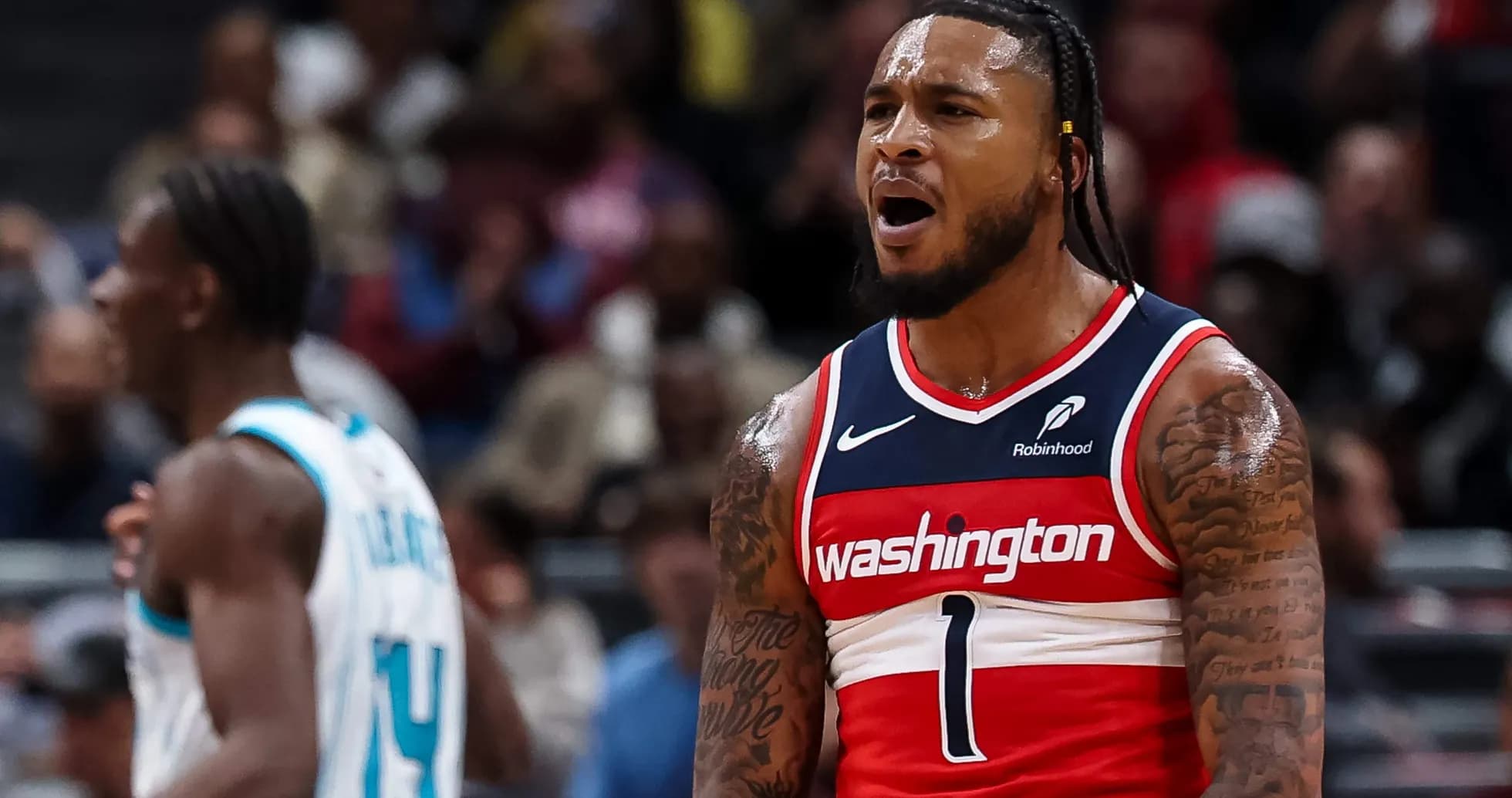
The quiet part of the Lakers’ offseason just got a little louder.
According to Marc Stein, the Denver Nuggets have “emerged as a team to watch” in the chase for Cam Whitmore, the 22-year-old former first-round pick who hit free agency after the Cleveland Cavaliers waived him in late August. For a Lakers front office that had quietly circled Whitmore as a low-cost upside play, Denver’s arrival at the table is exactly the kind of complication they didn’t need.
Nuggets Crash the Party
Denver’s interest isn’t just opportunistic. It’s ironic.
Whitmore reached the open market because of a five-team deal that already ran through the Nuggets. Cleveland initially acquired him from Washington in the multi-team trade centered on Peyton Watson, who moved from Denver to the Cavaliers. The Nuggets came away from that transaction with a 2031 first-round pick, a 2032 second-round pick and Julian Reese. Cleveland eventually cut Whitmore loose on August 28, turning him into an unrestricted free agent.
Now Denver is circling back, with a chance to recoup some of the athleticism it shipped out in Watson by scooping up Whitmore for a fraction of the cost and commitment.
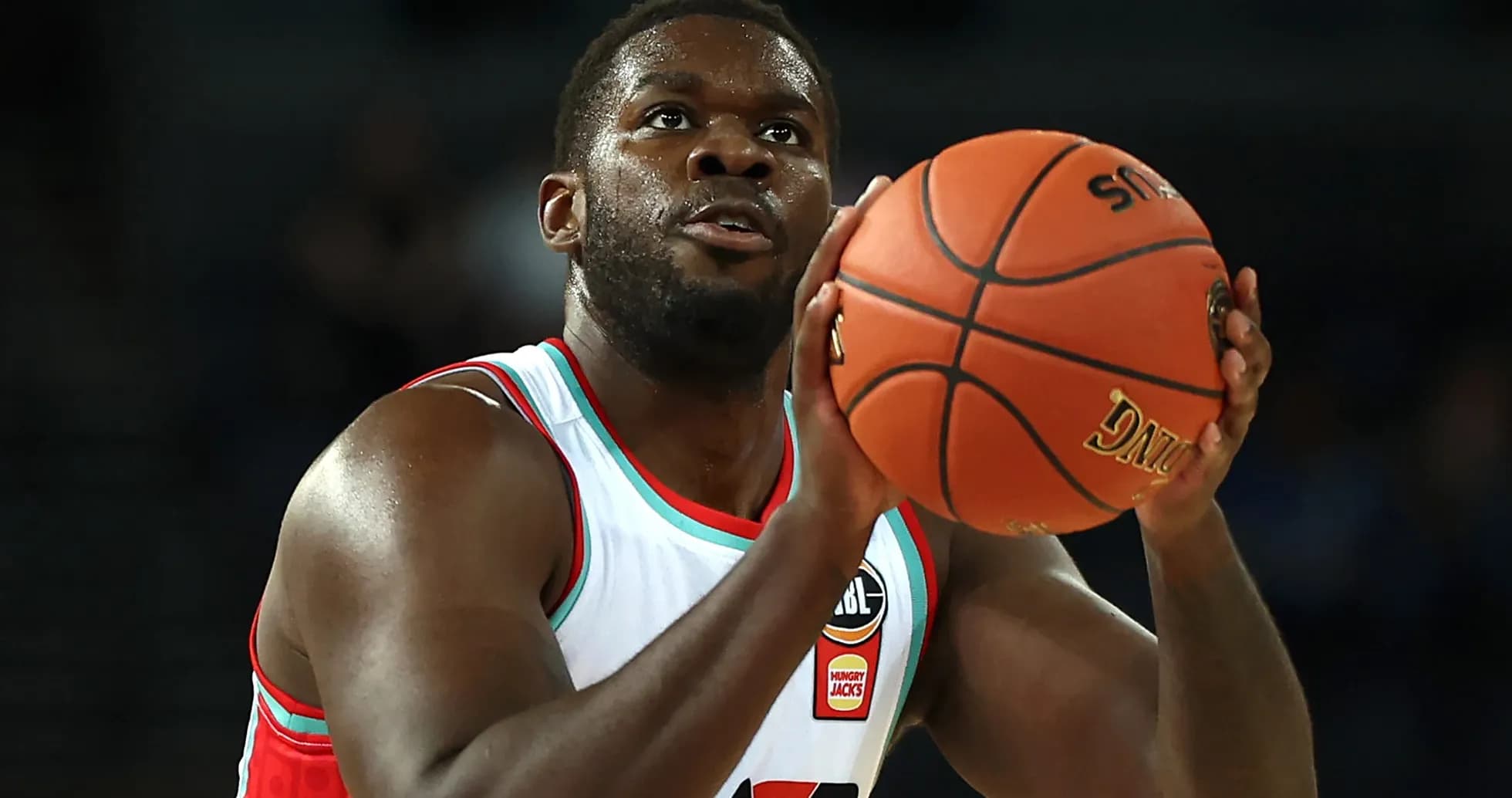
From a contender’s standpoint, the logic is obvious. Whitmore is no longer tied to the four-year, $15.6 million rookie deal he signed after the Houston Rockets drafted him 20th overall in 2023. He’s a 6-foot-6 wing with power, burst and scoring instincts, sitting in September without a team and without the price tag that usually comes attached to that kind of profile.
There is a medical file to consider. Whitmore played just 21 games for Washington in 2025-26 before a shoulder-related issue shut down his season. In limited minutes, he averaged 9.2 points and 2.8 rebounds in 16.9 minutes, shooting 45.6% from the field but only 28.6% from three.
Those raw numbers don’t fully capture the appeal. Stretch his production to per-36-minute terms over his three NBA seasons and Whitmore sits at 21.8 points. The scoring punch is real. So is the physicality in transition. And at 22, he’s younger than a good chunk of the players who just heard their names called in June.
The question, as it has always been with him: can those tools be molded into consistent, winning minutes on a team with real ambitions?
Why the Lakers Still Fit
For the Lakers, that question is precisely why Whitmore made sense.
They don’t need him to be a primary scorer or a savior. Their summer already delivered stability and scoring: Austin Reaves returned, while Collin Sexton, Quentin Grimes and Sandro Mamukelashvili arrived to bolster the rotation. The top of the offense is spoken for.
That actually sharpens Whitmore’s appeal in Los Angeles. He wouldn’t be walking into a situation where he has to fix a broken unit or carry a bench. He’d be an upside swing, a developmental bet on size, speed and scoring instincts tucked behind established options.
At 22, with his frame and first step, that kind of lottery ticket is rarely available in September—let alone at a bargain.
Denver clearly sees the same opening. That’s the problem for the Lakers.
Stein’s report doesn’t guarantee Whitmore is Denver-bound, nor does it confirm that Los Angeles is currently at the negotiating table. But the calculus changes the moment another contender with a clear role and a strong infrastructure steps into the race. What looked like a clean, low-cost gamble for the Lakers now risks turning into a bidding war, even if the “bids” are more about opportunity, role and developmental plan than pure dollars.
For a Lakers team hunting for inexpensive athleticism to surround its core, Whitmore looked like the right kind of risk: a high-ceiling wing whose flaws could be insulated and whose strengths could be amplified.
Now the reigning Western Conference power might be eyeing the same scratch-off ticket.