
La Liga's Bodycam Footage Transforms El Clásico Experience
For years, the debate has rumbled on: are referee bodycams in elite football really worth the trouble? One weekend in Spain has just supplied the clearest answer yet.
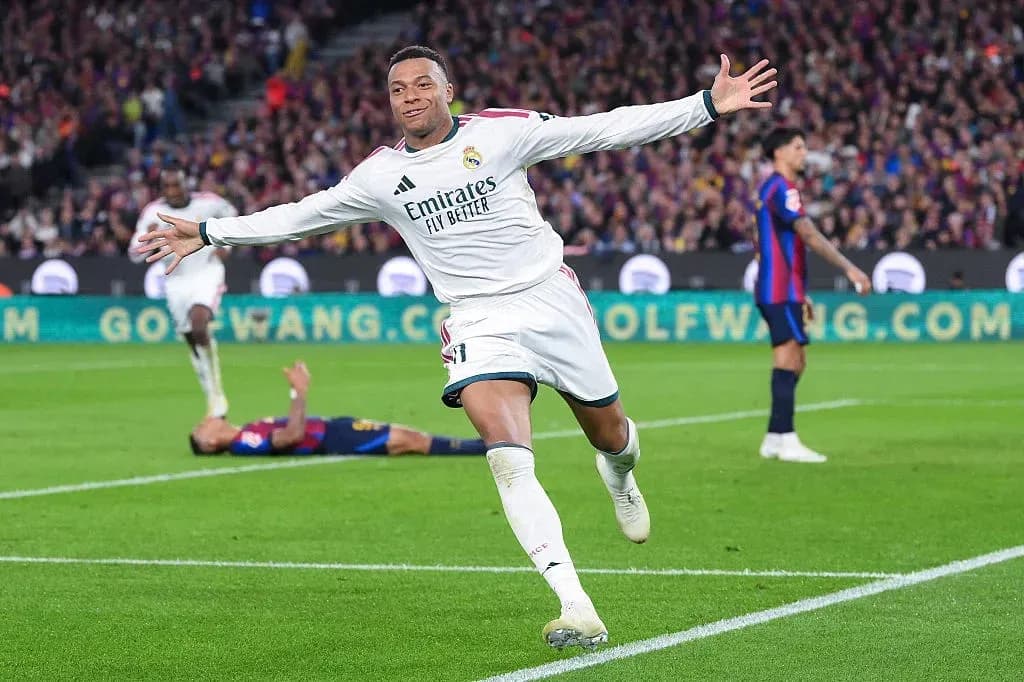
La Liga has released bodycam footage from last weekend’s Clásico, FC Barcelona vs Real Madrid, a 1–2 win for the visitors. The camera sat on referee Juan Martínez Munuera, and the result is unlike anything the television director can offer.
This is not the usual high, sweeping broadcast angle. It is eye-level. It is chaotic. It is exactly what the referee sees.
Suddenly, the match looks less like a polished global event and more like a storm you’re dropped into. You move through it with Martínez Munuera: sprinting to keep up with transitions, dodging players, feeling the noise closing in from every side. The camera shakes as he accelerates. It jolts as he checks his run and pivots to stay tight to play.
The stars are no longer distant figures framed by long lenses. Kylian Mbappé and Rodri are right there, a few strides away, filling the screen as they appeal, protest, or demand explanations. You see the micro‑reactions: the flash of disbelief after a foul, the instant turn to the referee after a tight challenge, the body language that never makes the highlight reels.
The pressure comes through in small details. The constant chatter in the referee’s ear. Players surrounding him, the crowd roaring over every decision, the need to keep moving and keep talking while processing split‑second calls. There is no pause button, no safe distance. Every whistle carries the weight of a global audience.
What the footage strips away is the illusion that refereeing at this level is simply a matter of “getting the big calls right.” It shows the job for what it is: relentless, physical, mentally draining. Positioning is a sprint. Communication is non‑stop. Authority has to be projected in an environment that tests it every few seconds.
Bodycams have often been dismissed as a gimmick, a novelty best suited to lower leagues or pre‑season friendlies. This release from La Liga lands very differently. It feels like a turning point in how the game can present and understand officiating.
For fans, it offers rare proximity to the human side of refereeing. For players and coaches, it may eventually become a powerful tool in education and accountability. For referees, it is both exposure and vindication: a raw, unfiltered record of what they face in the most intense fixtures on the planet.
One Clásico, one camera, and the argument over referee bodycams suddenly looks very simple: this is not a gimmick. This is the game, finally seen from the eye of the storm.





