
Kylian Mbappé’s Meme Misstep: From Joke to International Incident
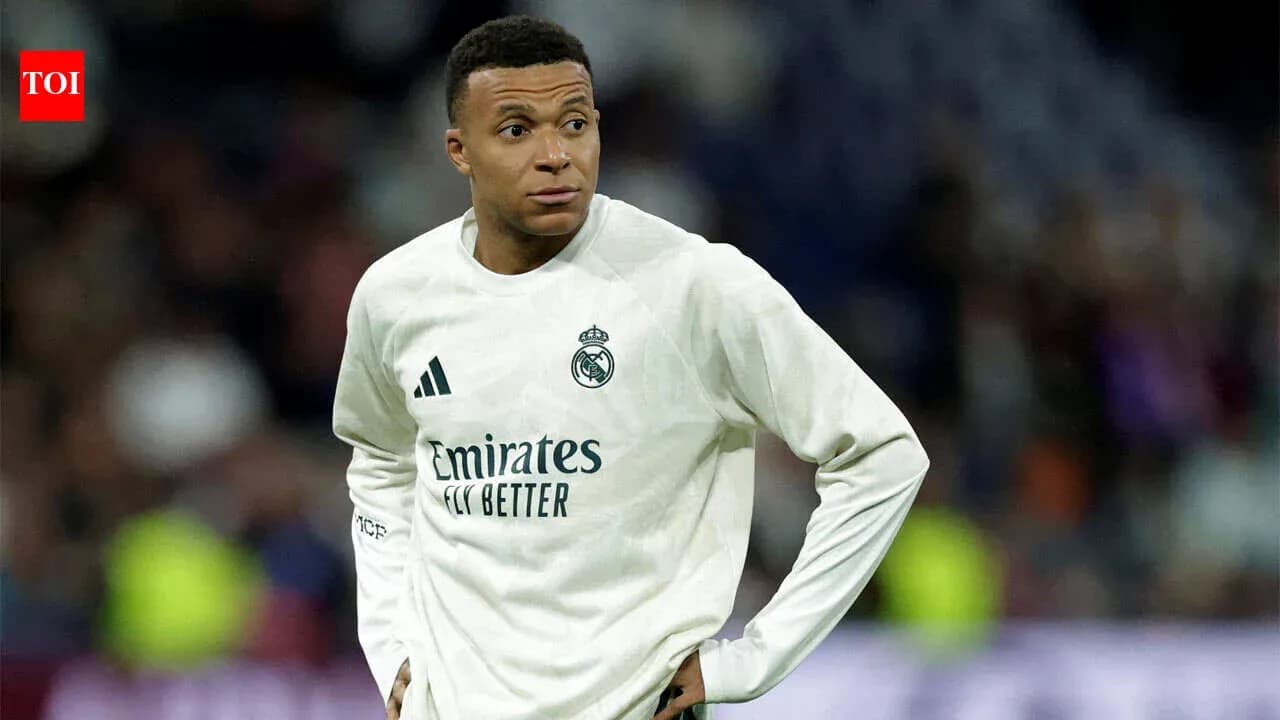
Kylian Mbappé’s off‑the-cuff attempt to explain an internet joke has spiralled into a full-blown international incident, dragging Real Madrid, LaLiga and some of Spanish football’s most valuable commercial relationships into a political storm in China.
What began as a throwaway line about a meme is now the subject of diplomatic conversations, suspended broadcasts and torn-up sponsorships.
From meme to diplomatic headache
The row traces back to The Bridge, a French football podcast, and a video clip that spread across Chinese social media like wildfire before it was taken down.
In the interview, Mbappé is shown a meme: his face digitally pasted over an image of Mao Zedong. Among European football fans, it was part of a long-running joke portraying him as a “dictator” figure inside his clubs, supposedly wielding outsized power over decisions. Similar memes had previously dropped his face onto other military and political leaders.
This time, the joke travelled far beyond its intended audience.
Reacting to the image, Mbappé described the figure as “some guy, I think he’s a Chinese dictator.” He did not name Mao, but for viewers in China the reference was obvious. Mao, who ruled from 1949 until his death in 1976, remains a towering and deeply sensitive figure — revered by many as the founder of modern China, associated by others with political campaigns that brought immense suffering and millions of deaths.
Satire around Mao is a red line in Chinese public life. Jokes about the country’s political leadership can trigger fierce backlash, both online and from officials. This one did.
Reuters reported it could not independently verify the video, yet the clip had already raced across platforms, igniting outrage and forcing Mbappé, Real Madrid and LaLiga into damage-control mode. What started as a casual discussion about a football meme had become an international diplomatic and commercial issue.
Apologies in three languages, but no quick fix
The pressure reached Mbappé fast. On October 27, he issued a public apology in French, Mandarin and English on social media, acknowledging that his remark had crossed a line.
“During a recent interview, I reacted to an image of myself. My comment was ill-judged, and I now understand that it hurt many people in China and in Chinese communities around the world,” he said. “I apologise to everyone my words have upset. This was absolutely not my intention. I have deep respect for the Chinese people and their history, and I am sincerely sorry.”
Real Madrid followed with their own statement, apologising to the Chinese people for any discomfort caused by their player’s comments. LaLiga also moved quickly, stressing that Mbappé had spoken in a personal capacity and that his remarks did not reflect the league’s position.
In Beijing, China’s Foreign Ministry signalled it had taken note. Spokesman Guo Jiakun said: “We take seriously the apology the individual concerned has made.” That line suggested the door was not closed.
But the reaction on the ground told a different story. The apologies slowed nothing.
Sponsors walk, screens go dark
Chinese brands did not wait for the dust to settle. Dongpeng Beverage Group, Mengniu Dairy and Shanghai Milkground Food Tech all cut ties with Mbappé, ending commercial partnerships that had helped position him as one of the most marketable global faces in China.
The impact went beyond one player. CCTV, the state broadcaster, suspended its coverage of LaLiga matches. Advertising campaigns featuring Mbappé disappeared. His accounts on major Chinese social platforms Weibo and Xiaohongshu came under restrictions.
Streaming platform Migu, which holds LaLiga rights, then dropped Real Madrid’s match against Racing Santander from its coverage last weekend, even as it continued to show other Spanish league fixtures. It was a clear message: this was not business as usual.
For LaLiga, the timing and the target could hardly be worse. China remains one of world football’s most important consumer markets, and Spanish football has worked for years to build a foothold there. The league has a broadcasting deal with Migu that runs until the end of the 2029–30 season.
LaLiga president Javier Tebas has said current annual contracts with CCTV and Migu are worth around €10 million — already a fraction of their peak of roughly €100 million a year. Any further erosion would be painful. A prolonged blackout would be worse.
The Mbappé episode has laid bare how quickly a single misjudged comment can threaten carefully constructed commercial empires in China.
Beijing calls Madrid
As the fallout grew, the issue climbed the diplomatic ladder.
On Friday, November 6, China’s ambassador to Spain, Yao Jing, confirmed that Beijing was in direct contact with Real Madrid and LaLiga over the incident. Speaking to Spanish news agency EFE before a forum at the University of Salamanca, Yao drew a clear line between talks and negotiations.
“There are no negotiations, but there is communication, based on mutual understanding,” he said. “This unfortunate incident hurt the feelings of many people in China, who now have to come to terms with the current situation.”
That phrase — “hurt the feelings” — is familiar in Chinese diplomatic language and carries weight. It underlines the political sensitivity around Mao and signals that public sentiment is a factor the authorities cannot ignore.
Tebas had already met Yao the previous week as Spanish football scrambled to limit the damage. The LaLiga chief later insisted the league remained in dialogue with Chinese authorities and was “working to resolve it.”
But the tone from Beijing suggested patience would be required.
EFE also quoted Chinese embassy attaché Xie Tianyu, who made clear that Mbappé’s apology, while noted, would not instantly restore normality.
“There is not enough time, the Chinese people need time to digest this, it is not an easy issue for the Chinese people, and it is a club that has had many followers and much love in China,” Xie said.
China Media Group, which oversees CCTV, had already indicated it would listen to Mbappé’s words but, “more importantly”, watch his actions in the future. For now, that means waiting — and keeping LaLiga off the main state channel.
As of November 6, CCTV’s suspension of LaLiga coverage remains in place. The broadcaster has confirmed receiving Real Madrid’s apology, but has not set any date for resuming transmissions.
Football, politics and the cost of a sentence
The standoff leaves a powerful image: one of the world’s most famous footballers, freshly installed at Real Madrid, with his games unseen on China’s biggest platforms; a global league counting the cost of a single misjudged sentence; sponsors stepping away from a player once considered a safe, bankable star.
It is a reminder that in China, the line between sport, business and politics is thin, and crossing it can be brutally expensive.
Mbappé has apologised. Real Madrid and LaLiga have apologised. Beijing has acknowledged those apologies but is in no rush to forgive and forget.
The next move will not come from a press release or a social media post. It will come when — or if — Chinese broadcasters quietly put Spanish football back on air, and when brands decide that the storm has passed.
Until then, one question hangs over Madrid, over LaLiga and over every global athlete eyeing China’s vast market: how many goals, how many trophies, are worth the risk of a single careless word?





