Katie Taylor’s Last Walk: A Historic Farewell at Croke Park
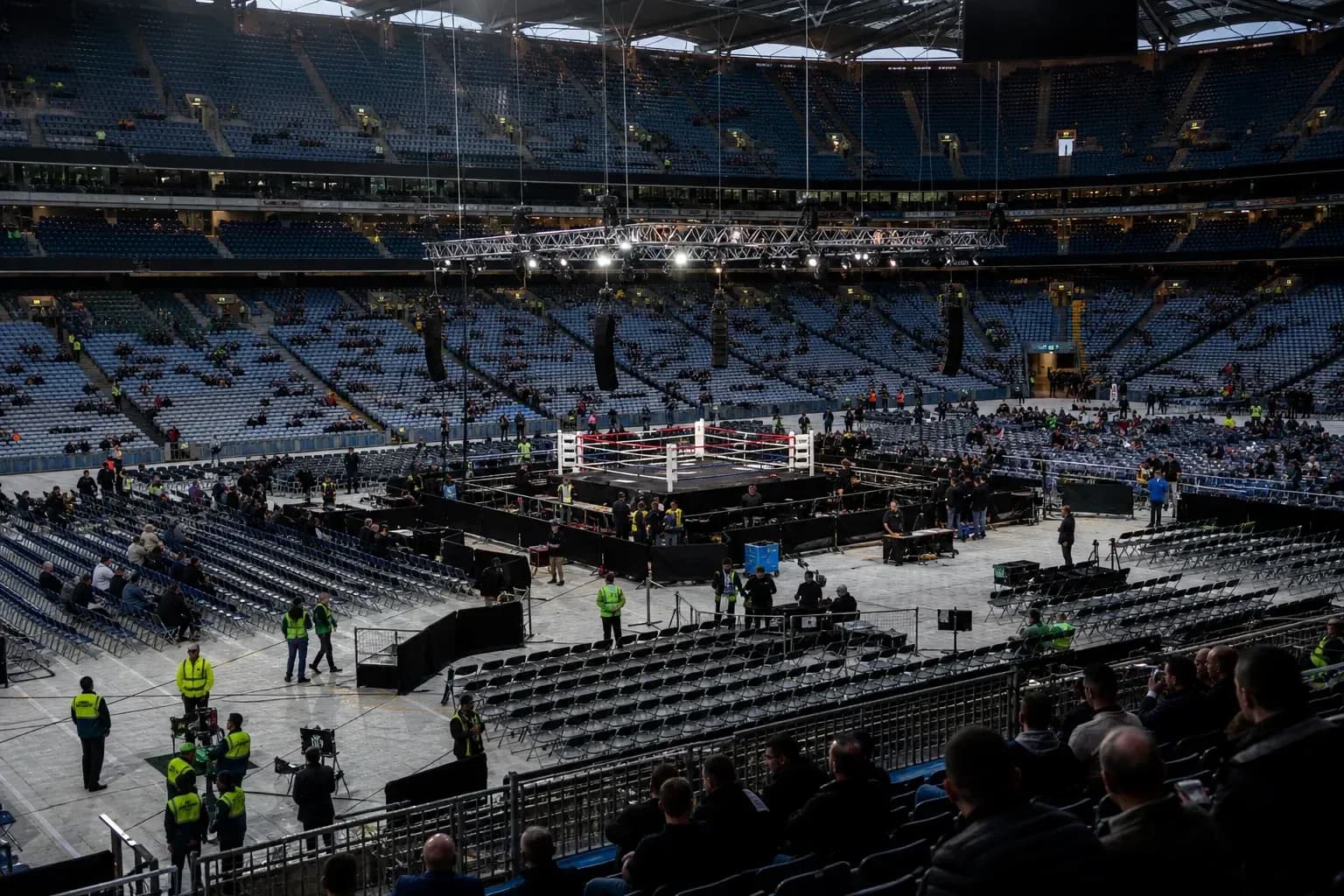
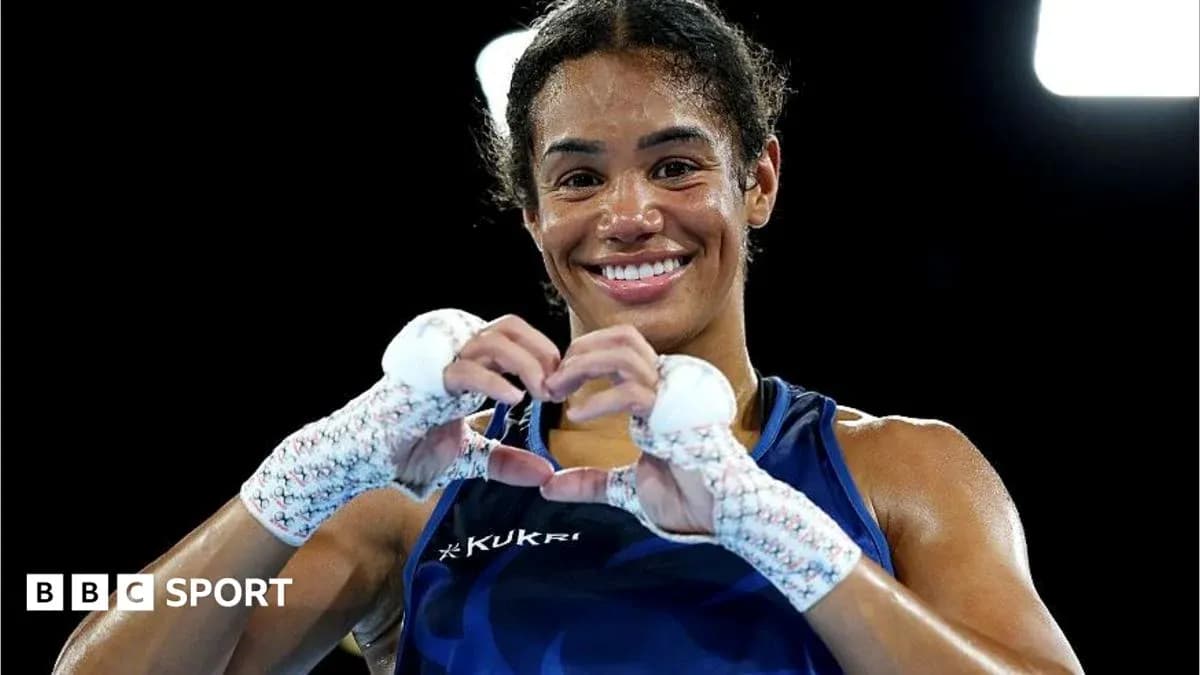
On Saturday night in Dublin, Katie Taylor will do something no Irish fighter has done for more than half a century. She will walk out under the lights at Croke Park, 80,000 voices at her back, for the final fight of a career that has changed the sport.
Forty years old now, an Olympic champion and the reigning queen of the light welterweight division, Taylor is not easing out the side door. She is defending her belts in a football cathedral, on home soil, in front of a nation that has followed her from small halls to the biggest stages in boxing.
The demand to be there told its own story. According to The Guardian, tickets vanished in 17 minutes when they went on sale in June. Seventeen minutes for a lifetime’s work. The national broadcaster, RTÉ, will show the event free-to-air, turning the bout into something closer to a state occasion than a standard title defence. It will be a fight night and a show, with musical performances on the card, including Irish pop mainstays Westlife.
Croke Park, a Stadium and a Stage
Croke Park is no stranger to history, but it has barely seen professional boxing. The last time it did, in 1972, Muhammad Ali faced Alvin Lewis there. More than 50 years on, Taylor steps into the same arena, not chasing recognition, but closing a circle.
Those closest to her understand what this night represents. Her brother-in-law, Trevor McMahon, founder of Liberty Boxing Gym, called the occasion the end of an era. He expects something special, but he does not hide the sadness. When a fighter like Taylor says goodbye, it is not just a career that ends. It is a chapter in the sport.
The emotion is not confined to Dublin. Down the coast in Bray, her hometown in County Wicklow, the build-up feels like a festival and a farewell rolled into one. Shops are stocking hats, flags and posters with her image. Streets are turning into a sea of green, white and gold with Taylor’s face at the centre.
Local resident Catherine Hill captured what many there feel: Taylor is no longer just a champion, but a reference point for a generation of girls who want to lace up gloves or step into any sporting arena. In Bray, young athletes do not have to imagine what is possible. They have seen it.
From “K Taylor” to Olympic Gold
The scale of this night makes it easy to forget where it started. Taylor first learned to fight in a modest gym called Tin Can. Back then, the rules were stacked against her. Women and girls were banned from entering the ring in Ireland and the United Kingdom. If she wanted to box, she had to bend the system.
So she did. She registered for bouts as “K Taylor,” passing as a boy to get through the ropes. It was a simple trick with seismic consequences. With her father Pete, she pushed at the boundaries until they moved. In 2001, when she was just 15, the ban on women’s boxing in Ireland was lifted. A door that had been bolted shut swung open.
What followed is now part of modern sporting history. Taylor rose through the amateur ranks, then stood on top of the podium at the London 2012 Olympics, winning gold in the first Games to include women’s boxing. That medal did not just belong to her; it belonged to every girl who had watched her fight under initials instead of a full name.
She carried that momentum into the professional ranks, headlining shows at Madison Square Garden and dragging women’s boxing into arenas and main events once reserved for men. Her trilogy of bouts with Amanda Serrano became a touchstone for the sport, proof that women’s fights could carry a card, fill a venue and grip a global audience.
One Last Test
Taylor’s final opponent will not be there to play a supporting role. Across the ring stands Flora Pili, a 29-year-old French fighter with a perfect professional record: 12 fights, 12 wins. She arrives as the IBO light welterweight champion, young, unbeaten, and with every incentive to turn a farewell script on its head.
For Taylor, this is no exhibition. It is a high-risk defence, in a stadium, against a hungry champion in her prime. For Pili, it is a chance to seize everything at once: world titles, a defining scalp, and a place in the story of one of boxing’s great careers.
The stakes suit Taylor. She has rarely taken the easy road, and she is not starting now.
When the lights go up over Croke Park and the first bell rings, it will be about more than rounds and scorecards. It will be about a girl who once had to hide her name to fight, standing in front of 80,000 people who know it by heart.
When she finally steps away, the question will not be what Katie Taylor has done for women’s boxing. That is already written. The real question is who will dare to follow the path she carved, from Tin Can to Croke Park, and where they will take the sport next.