Katie Taylor's Emotional Farewell Fight at Croke Park
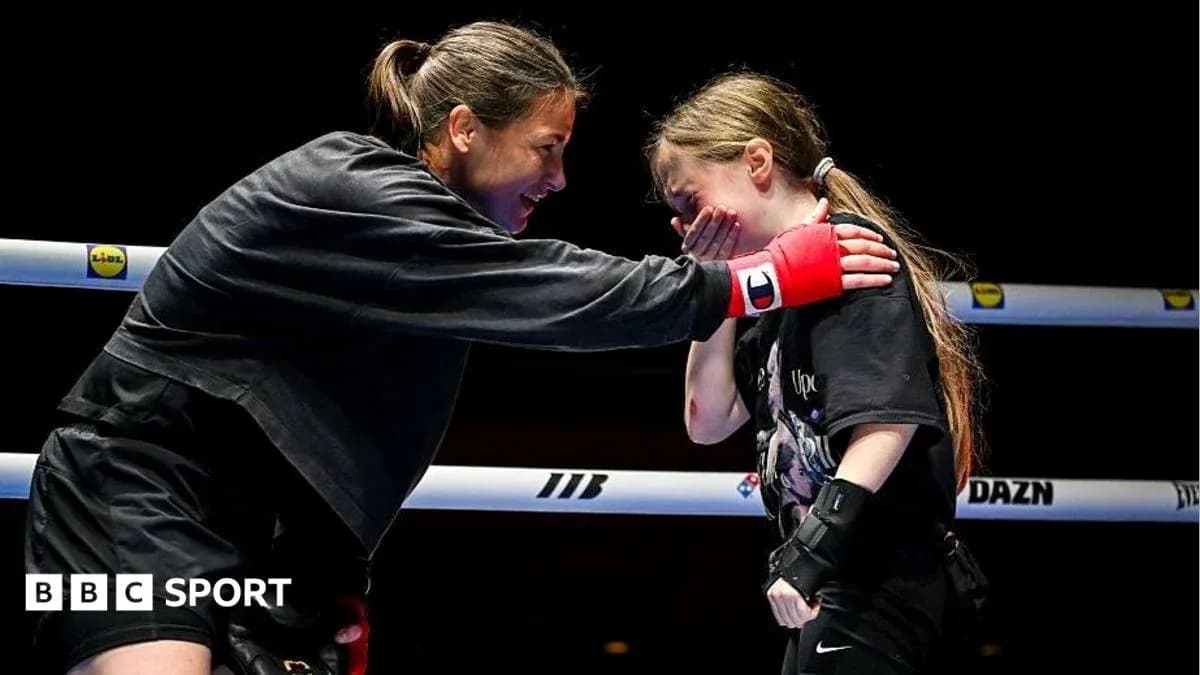
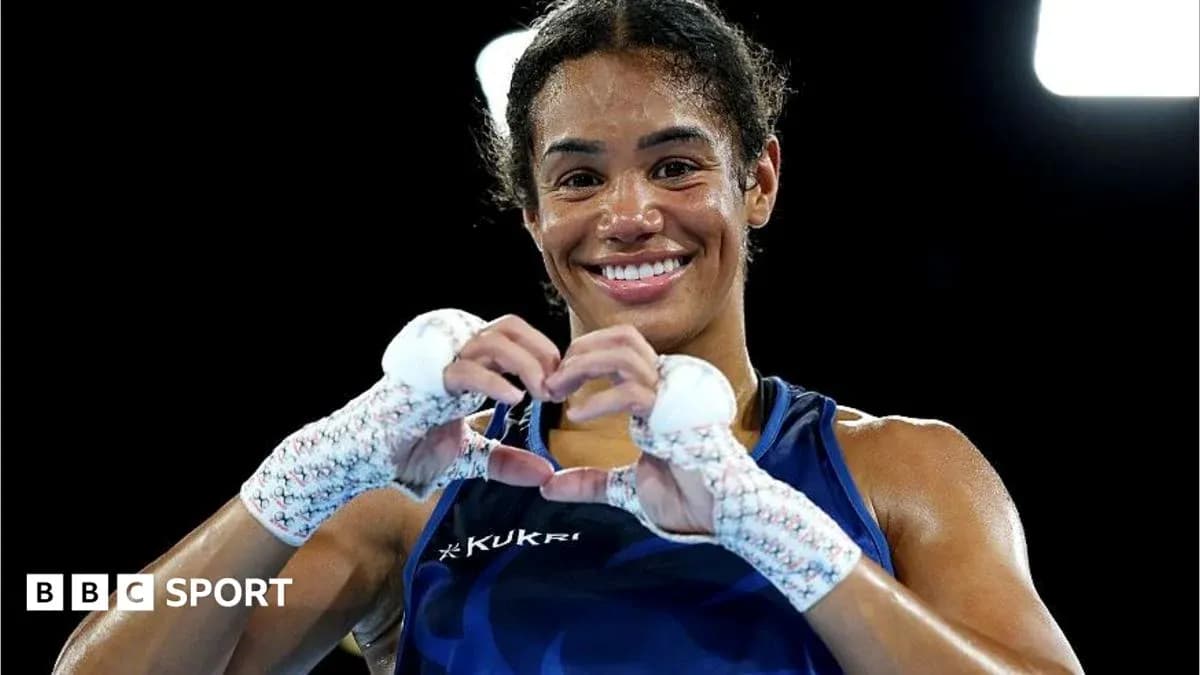
Katie Taylor sits down and smiles, but the mask slips as soon as you look at her eyes. They’re tired. Full. Braced for goodbye.
On Saturday night at Croke Park, she walks to the ring one last time, to face unbeaten French challenger Flora Pili. An Olympic champion, an undisputed world champion, a woman who once had to pretend to be a boy just to box, now closing the door on a lifetime spent under lights and leather.
The weight of all of it is finally catching up with her.
“I thought I was handling all the emotions until today,” the 40-year-old tells BBC Sport.
The usual armour isn’t quite there. The cool, closed-off champion who has treated fight week like a necessary irritation is suddenly allowing the occasion to seep in. There is no next opponent lurking in the shadows, no “we’ll see what’s next” to hide behind. Just 80,000 people, a wall of noise, a stadium draped in tricolours and a career that has changed Irish sport forever.
“This is the stuff of dreams and I’m pinching myself that it’s happening,” Taylor says. “I look back at my career and think how remarkable it has been. The highs, the lows, the failures, the disappointments and the successes.”
She has always loathed the circus. The cameras, the microphones, the staged face-offs. The real Katie Taylor lives in the gym, in the grind, in the silence between rounds on the pads. Yet this week, under the lights she normally endures rather than enjoys, she has found herself welling up, lingering a heartbeat longer in those stare-downs, trying to soak in what this all means.
“Every fighter in the world wishes they were in this position,” she says.
She’s right. How many fighters – male or female – get a farewell like this? A packed Croke Park, 80,000 expected, for a woman who dragged her sport into the light and then refused to leave the spotlight to anyone else until she was done.
“I’m just blown away from the support from this country. I don’t think there are many other countries where 80,000 show up for a female athlete.
“The crowd – hearing ‘ole ole ole’ one last time – feeling the atmosphere, seeing the tricolours all over the place…”
The emotion hasn’t stopped with her. It has rippled out through the inner circle that has lived every round with her. Eddie Hearn, the promoter who has walked every step of this pro journey, choked up mid-sentence at the final news conference as the reality hit him: this is the last Katie Taylor fight week.
“When it’s all said and done you will look at your belts, you might look at your bank balance. But you will sit there, close your eyes and recall all those incredible moments in your life that made you cry,” he later told BBC Sport.
“I will cry on the ring walk. I will cry in the [post-fight] interview.”
This week has revealed a side of Taylor the wider public rarely sees. Still softly spoken, still laser-focused, but looser, funnier, more willing to play with the theatre she usually rejects. She joked with the media about flipping the table just to break the monotony.
“Katie Taylor is one of the funniest people I’ve met. Unexpectedly funny,” Hearn says. “She’s so strong and determined. But people who know, she’s very jovial, she’s got great energy and I think she’s soaking all that up.”
Around her, the tributes have flowed with the ease of pints in Temple Bar. Friends, team-mates, coaches – they all say the same thing: this is Ireland’s greatest sportsperson. Manager Brian Peters even felt the need to issue a tongue-in-cheek apology to Roy Keane, reassuring him he was a “close second”.
The country has responded like it knows it is saying goodbye to more than a boxer. Taxi drivers stuck in gridlocked traffic are asking about spare tickets. Bar staff are checking their phones between pulling pints. Across Dublin and far beyond, people are scrambling for a way in.
Even with Taylor’s popularity, selling out Croke Park is no formality. Stadiums of that size do not fill themselves, even for legends. Taylor, who has always preferred the sanctuary of training to the glare of publicity, has thrown herself into the work. And, just maybe, enjoyed it more than she expected.
Peters led an exhausting 1,500-mile bus tour, taking Taylor through all 32 counties. Dozens of radio interviews, community visits, photo stops – a farewell tour as relentless as any training camp.
“No-one works as hard as Katie,” Peters says. “Those four days she did not stop working. These stadiums don’t sell out on their own.”
The schedule was brutal. The response was wilder. At one stop in Kilkenny, thousands swarmed the gates, desperate for a glimpse, a photo, a moment. The timetable said move on. Taylor said no.
“Ah Brian, we can’t drive past them,” she insisted, according to Peters. The bus pulled over. The champion climbed down. Group photos, handshakes, memories banked.
That effort has turned Saturday into something beyond a boxing show. This is a national event. About 80% of those inside Croke Park will be watching live boxing for the first time. Around 65% of tickets have been sold outside Dublin. Taylor’s farewell has reached every corner of the island.
With the fight broadcast free-to-air across Ireland and Westlife providing the soundtrack, the night has swelled into a cultural moment as much as a sporting one.
Somewhere in the middle of all this noise, Flora Pili has been moving quietly. The Frenchwoman, 29, undefeated at 12-0, has slipped through hotel corridors and in and out of gyms while the spotlight burns almost exclusively on the home hero.
“I have nothing to lose and everything to win,” she says. It is the classic challenger’s line, but in this context it rings especially true. She walks into a cauldron built for someone else and tries to steal the script.
Taylor has tried to give herself space to breathe. Media duties were front-loaded into the early part of the week, a deliberate move to let the tears and tributes come early, to empty the tank emotionally before fight night.
“I don’t think I can prepare for what happens on Saturday, but I’m going to try and keep emotions in check and try and enjoy the ringwalk. But the most important thing is to win,” she says.
One more ring walk. One more switch into that cold, ruthless mode that built a legacy. Then, when the dust settles?
“Probably a bit relieved – I don’t have to take any more punches again.”
There will be more tears on Saturday night. Hearn knows it. Taylor knows it. The country knows it.
This time, when the final bell sounds, it really will be the end.