Katie Taylor's Dominant Farewell at Croke Park
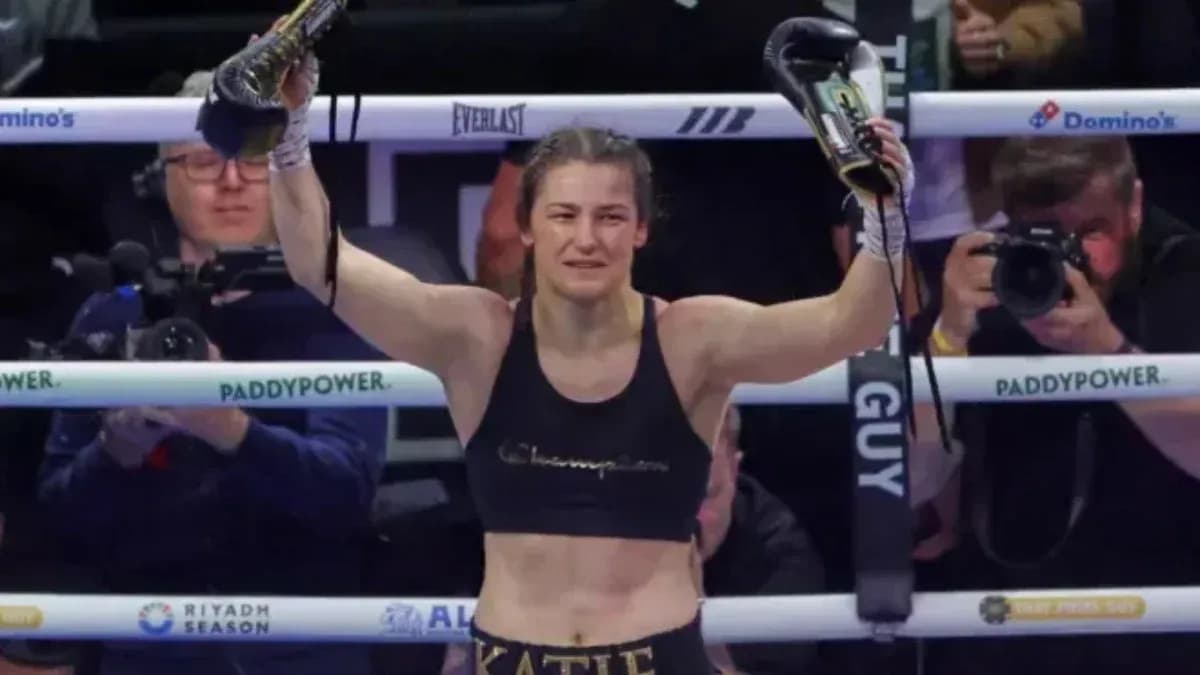
Katie Taylor always said she wanted one last dance at Croke Park. On a cool Dublin night, in front of 80,000 people who roared every step of her journey, she didn’t just get it. She owned it.
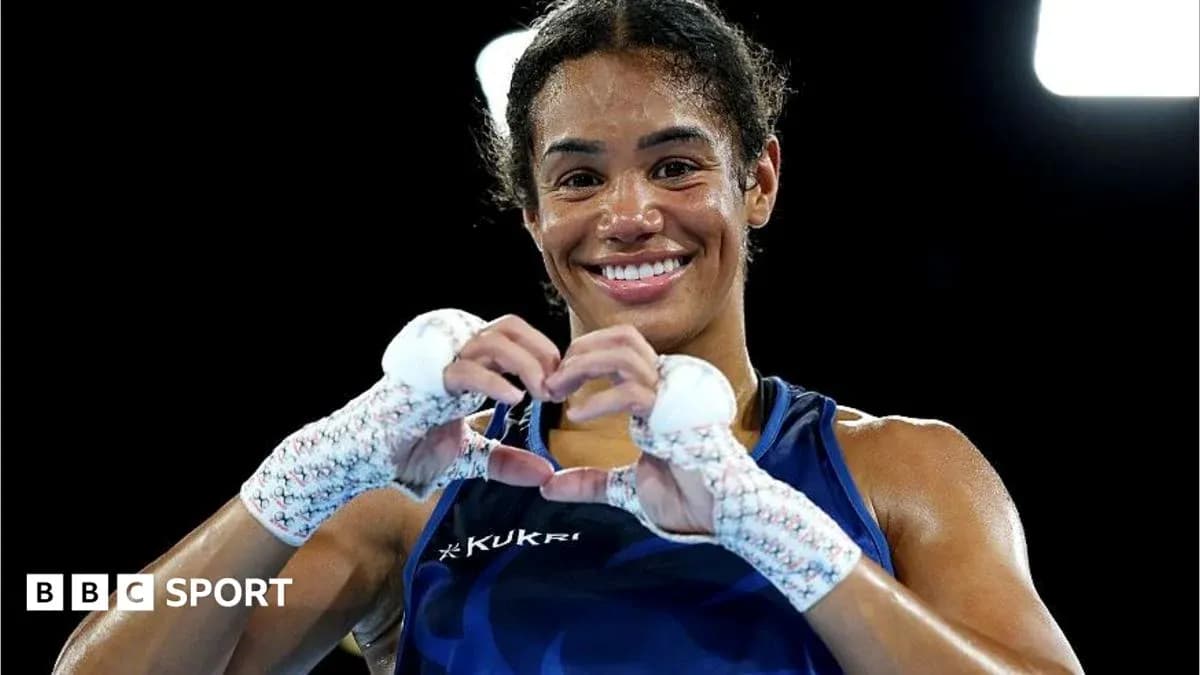
At 40, the Irish great closed the book on an extraordinary career with a commanding points victory over previously unbeaten French fighter Flora Pili, walking away as the undisputed super lightweight champion and the architect of her own perfect ending.
Ten rounds. No doubt. No drama. Just control.
The judges read it out: 100-90, 100-90, 98-91. A landslide. A statement. A farewell.
Taylor, now 26-1 as a professional, added the vacant WBC super lightweight title to her WBO, WBA and IBF belts at 140 pounds (63.503 kg), cementing her status as the division’s undisputed queen. Pili, who arrived in Dublin undefeated, leaves with a first professional blemish at 12-1, outclassed but brave in the harshest of arenas.
A career that changed everything
To understand what Croke Park meant, you have to rewind.
Taylor was the face of women’s boxing long before the sport allowed her to be. As a teenager in Ireland, she sometimes boxed under the name “K Taylor” just to get on amateur cards at a time when girls weren’t permitted to compete. Those quiet acts of defiance turned into something seismic.
She became Olympic champion at London 2012, the first Games to include women’s boxing, and her gold medal didn’t just hang around her neck; it hung over the sport, dragging it into the mainstream.
From there, the stages only grew.
In April 2022, she headlined Madison Square Garden against Amanda Serrano in the first women’s bout to top the bill at the iconic New York venue. It was a watershed night, a classic that helped redefine what women’s boxing could sell, could earn, could mean.
Taylor and Serrano would meet three times in total, Taylor winning every encounter, the final chapter coming in 2025. That trilogy sits at the heart of her legacy: three fights, three wins, and a rivalry that pushed both women – and the sport – into new territory.
Setback, response, redemption
Even legends get hit.
Taylor’s lone professional defeat came against American Chantelle Cameron on May 20, 2023, when she stepped up to super lightweight after dominating the lightweight division for years. On that night at Dublin’s 3Arena, the script didn’t bend to her will. Cameron walked away with the win, and questions followed.
Taylor answered them the only way she knows. Six months later, back at the same arena, she turned the tables and avenged the loss, reclaiming control of her story and proving that age and adversity hadn’t dulled the edge.
From her professional debut in 2016 to that revenge win, the pattern never really changed: big stage, big pressure, bigger response. Twenty-six victories, six by knockout, and a single defeat avenged. The numbers are neat, but they barely scratch the surface of the influence.
The crowning moment
Croke Park was different. This wasn’t just another defence or another belt. This was the homecoming she had chased for years, the fight she wanted to frame the end.
Under the floodlights, with a sea of Irish flags rippling around the stadium, Taylor boxed with the calm of someone who knew she was exactly where she was meant to be. She controlled the distance, dictated the tempo and kept Pili on the edge of the contest rather than in the heart of it.
The pressure built round by round. Pili tried to find a foothold, tried to rough Taylor up, tried to drag her into something messy. Taylor refused. She stayed sharp, stayed disciplined, and banked round after round until the result felt inevitable long before the final bell.
When it came, she didn’t sprint to the ropes or collapse to the canvas. She knew what came next.
In the centre of the ring, Taylor removed her gloves and placed them gently on the canvas, a simple, powerful symbol that needed no explanation. Around them, her team laid out the belts – WBC, WBA, WBO, IBF – a circle of gold around the gloves of a fighter who had nothing left to prove.
Then the noise hit. Croke Park rose as one.
“Croke Park! We did it!” she told the crowd, voice cracking under the weight of the moment. “The people of Ireland gave me a dream ending to a dream career. Nothing can top this. Without a doubt, this was the crowning moment of my entire career.”
It felt less like a post-fight interview and more like a final chapter being read aloud.
The standard she leaves behind
Taylor leaves the sport having done what very few manage: she exits on her own terms, at the top, with all the belts and all the acclaim. She walks away as the undisputed 140-pound champion, the former dominant lightweight ruler, an Olympic gold medallist, and the central figure in the most iconic trilogy in women’s boxing history.
But the real measure of her career sits beyond the titles.
She boxed when girls weren’t supposed to. She pushed her way into the Olympics. She headlined Madison Square Garden. She filled Croke Park. She turned “women’s boxing” from a side note into a main event.
The gloves now lie in the middle of a ring in Dublin, surrounded by belts and memories. The question for the next generation is simple: who dares to follow that?