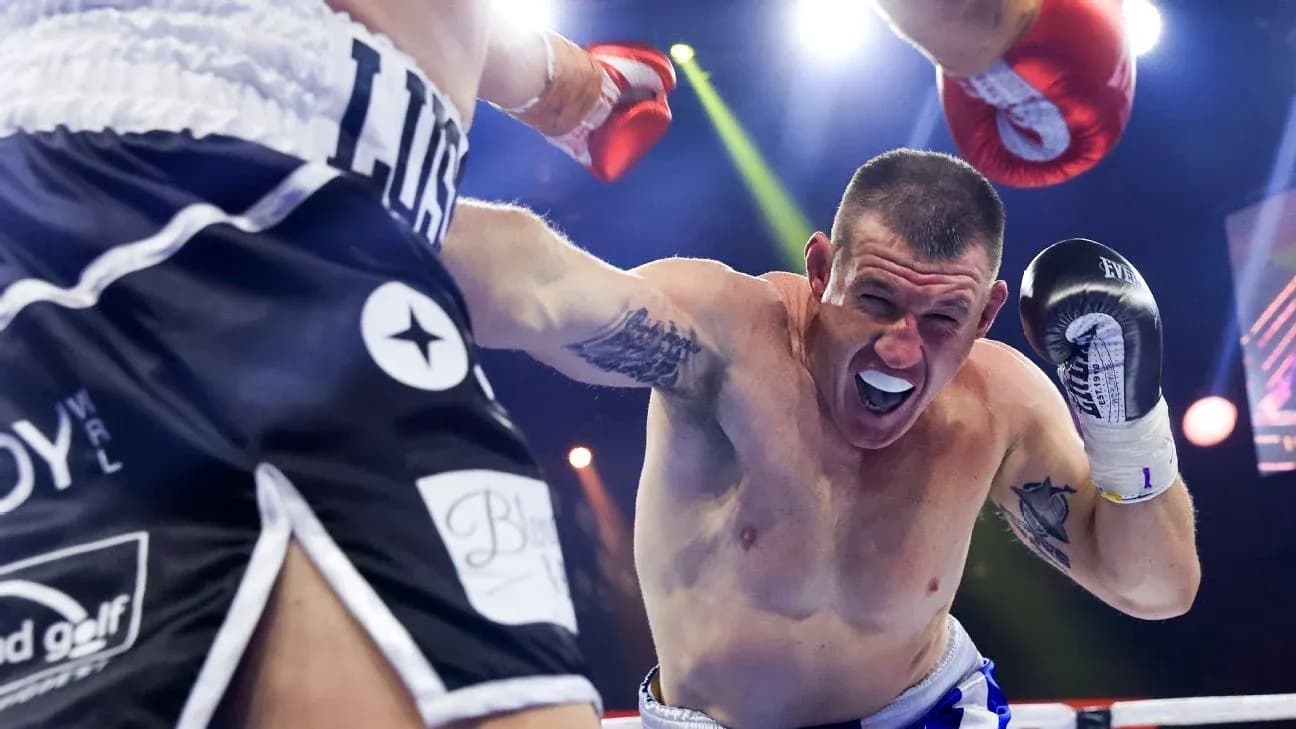
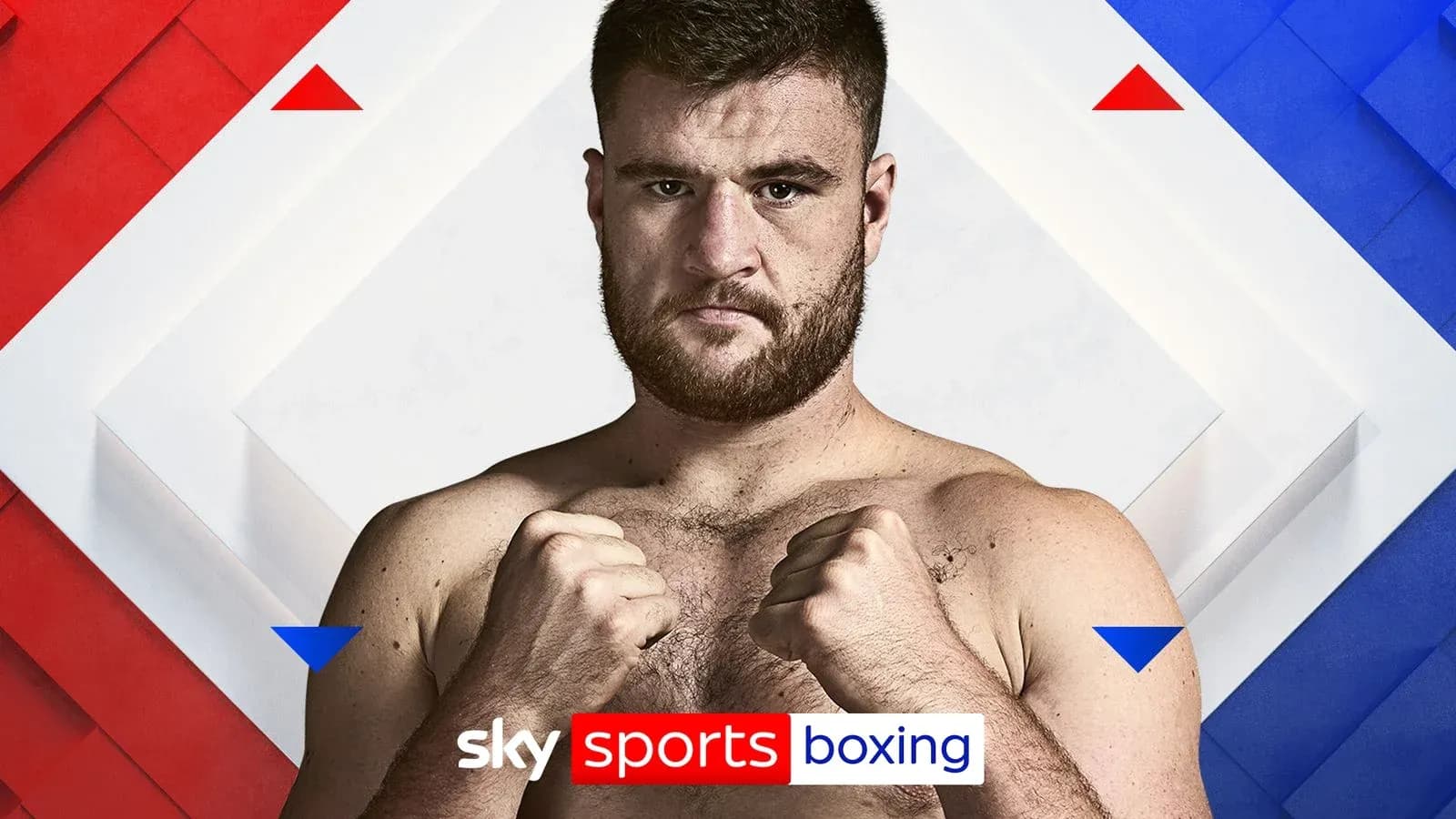
Katie Taylor's Historic Croke Park Bout: A New Era for GAA
Eddie Hearn thought he was making history.
"It's not often I'm lost for words," he began, launching into a nine‑minute sermon at the Taylor–Pili press conference at Croke Park last June. Then came the line that drew a few raised eyebrows from those who know their way around Jones’s Road.
"The last person to fight at this incredible stadium? Mohammad Ali."
Not quite.
Ali did fight there, yes. But he did so in a very different Ireland, in a very different Croke Park, and in circumstances that should serve as a warning to any promoter who thinks a famous name guarantees a famous night.
When Ali came to Croker
In July 1972, Al ‘Blue’ Lewis stood in the opposite corner as Ali turned Croke Park into his own temporary fiefdom. The fight itself almost felt secondary to the spectacle of Ali in Dublin.
He was treated like a visiting head of state. Crowds swarmed him at Leinster House. Taoiseach Jack Lynch welcomed him privately. Cathal O’Shannon sat down with him for a long, televised interview that has since passed into Irish sporting folklore. Eddie Keher handed him a hurl and tried to explain a game that made as much sense to Ali as his footwork did to the average corner‑back.
Ali wanted more than photo opportunities. He was anxious to meet Bernadette Devlin. They had lunch on the day of the fight and talked politics, a subject on which they were entirely in tune.
The build‑up was intoxicating. The bottom line was brutal.
Only 18,000 people came through the gates, and plenty of those never saw a ticket. The event lost money for its promoter, Michael “Butty” Sugrue, the Killorglin publican and former “Ireland’s Strongest Man” from his days with Duffy’s Circus.
GAA director general Seán Ó Siocháin didn’t mince his words. He blamed Sugrue for charging too much. Dave Hannigan, in his book The Big Fight: When Ali Conquered Ireland, argued that Ali’s very availability damaged the mystique. Dubliners could see him almost anywhere in the days before the bout; by the time the first bell rang, some of the magic had already been spent on walkabouts and interviews.
Ali’s night at Croke Park also came under the shadow of Rule 42, though not quite in the way the mythology now suggests.
Rule 42 and the myth of “foreign games”
The legend runs that Rule 42 once banned “foreign sports” from GAA grounds. The reality was more specific and more awkward. Officially, the rule prohibited horse racing, greyhound racing and “field games other than those sanctioned by Central Council.”
In practice, that meant the rival British codes. Soccer. Rugby. The sports that shared the same players and the same patches of grass across the country, whether the rulebook liked it or not.
Yet even before the rule was relaxed, Croke Park wasn’t some sealed cultural temple. It hosted four American football games and even a couple of baseball fixtures in the late 1940s. The supposed purity was always more porous than the rhetoric.
The real shift came at Congress in 2005. Delegates, faced with the prospect of Ireland’s home soccer matches being played at Anfield while Lansdowne Road was being redeveloped, found their sense of national pride pricked. The rule was lifted, initially on a temporary basis. The GAA would share its biggest stage.
It nearly happened earlier. In 2001, an attempt to scrap Rule 42 fell just two votes short of the required two‑thirds majority. President Seán McCague, a traditionalist by instinct, refused all appeals for a recount. History waited four more years.
Those decisions mean Katie Taylor will step into a Croke Park that Ali would barely recognise. The stadium has grown from a GAA citadel into a multi‑purpose arena and, increasingly, a money‑making machine.
From stop‑gap to “Caesar’s Palace”
Croker’s modern reinvention began as an act of national necessity. With Lansdowne Road out of commission, Croke Park opened its doors to stave off the embarrassment of Ireland’s soccer and rugby teams playing competitive home games abroad.
Now? The place is a magnet for everything that can fill 80,000 seats.
This summer underlined the shift. Manchester United and Leeds United came to Dublin for a pre‑season friendly and ended up setting the record for the best‑attended soccer match ever played on the island. It wasn’t a World Cup qualifier. It wasn’t a European final. It was a July warm‑up, and still Croke Park groaned with bodies and replica shirts.
GAA President Jarlath Burns turned up in an official capacity. He admitted he had no great feeling for either club. His own loyalties lie with Arsenal. But he came, he watched, he represented.
Compare that to John Downing in the late 1980s, who told a Sunday newspaper he wouldn’t be watching Ireland play England at Euro ’88 in Stuttgart because he planned to mow the lawn. That was a different GAA, with a different sense of what it meant to look beyond its own boundaries.
By 2026, the United–Leeds game stirred more anger among League of Ireland ultras than among GAA traditionalists. Some in the association still grumbled, but the loudest noise came from those who saw an English club circus rolling into town and trampling over the domestic soccer game.
Inside the GAA, the more pointed criticism has been about money and meaning. Pat Gilroy told the Irish Times he now calls Croke Park “Caesar’s Palace because it’s just a revenue generator. And that’s not Peter McKenna’s fault. He’s doing a great job but he’s doing it with the hand he’s dealt, which is ‘we need more money’.”
McKenna, the stadium director, isn’t shy about the commercial horizon. He talks openly about more pre‑season Premier League games. He has even floated Croke Park as a potential Champions League final venue.
You don’t need to look far to see why.
The numbers behind the noise
The GAA’s own financial reviews spell it out. The 2024 report showed a 19% jump in overall revenue, driven heavily by a packed summer at Croke Park. Stadium income soared by 60% in 2024, despite a drop in match‑day attendances compared with the previous year.
The difference? Entertainment, not inter‑county.
Croke Park staged seven concerts in 2024: Bruce Springsteen, AC/DC twice, and Coldplay across four sold‑out nights. In 2023, there were none, unless you stretch the definition and count the Mary Wallopers warming up the crowd before the All‑Ireland hurling final.
Those who despise the split season like to point at that concert list and say: there’s your real reason for the calendar. It’s easier to rage at Bruce and Coldplay than at the club player who wants to know when he’ll be playing championship.
Yet it was the GAA hierarchy, not the grassroots, who recently tried to push the All‑Ireland finals back into August with a compromise motion. By the eve of the vote, it was obvious the idea was dead. The motion was pulled rather than allowed to be formally defeated.
The result? “Caesar’s Palace” remains free to host rock bands, Premier League giants and boxing extravaganzas through August and into early September.
Which brings us to Katie Taylor.
Taylor, tradition and the first weekend in September
Her long‑awaited Croke Park bout lands on one of the most evocative weekends in the GAA year.
For generations, the first weekend of September meant hurling. It was All‑Ireland final time, the climax of the summer, the day when colours from Galway, Limerick, Cork, Kilkenny or Tipperary washed over the capital. There were exceptions – between 1997 and 2005 and again in 2012–13, the final moved to the second Sunday – but the rhythm was familiar.
On this particular Saturday, in the old script, Galway and Limerick supporters would have been spilling out of trains and buses, filling the pubs, rehearsing their arguments about refereeing calls from 1980. Daithí and Jacqui would be on television, coaxing memories from Joe Connolly and Joe McKenna about that famous final.
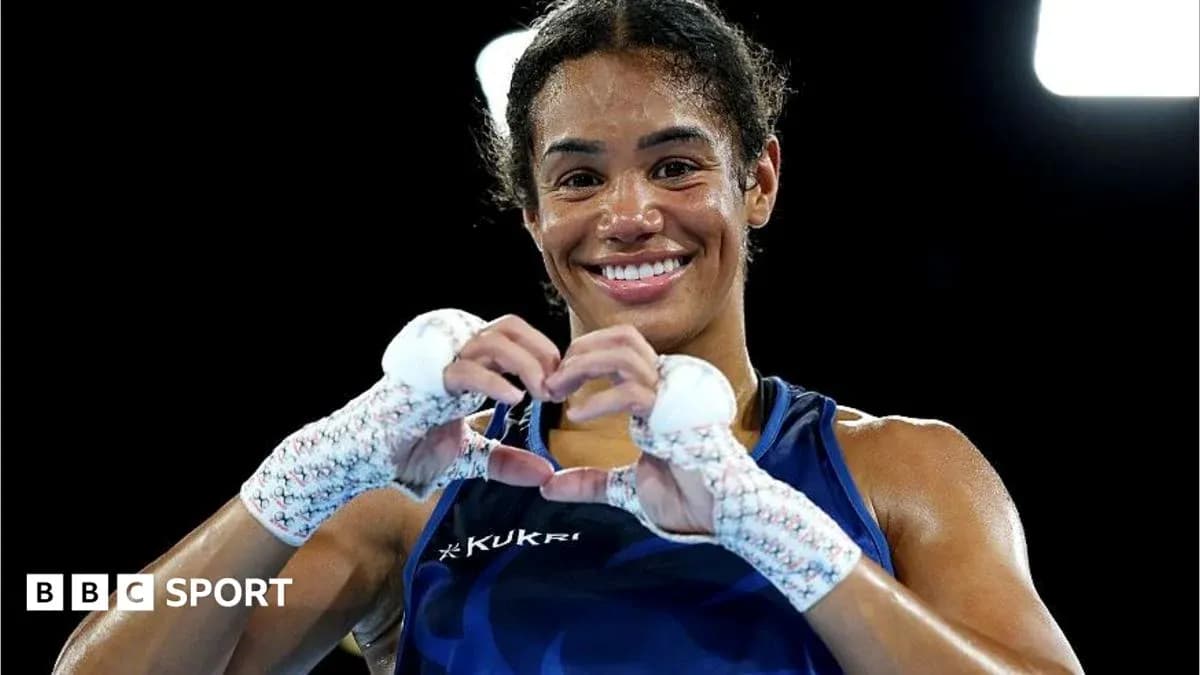
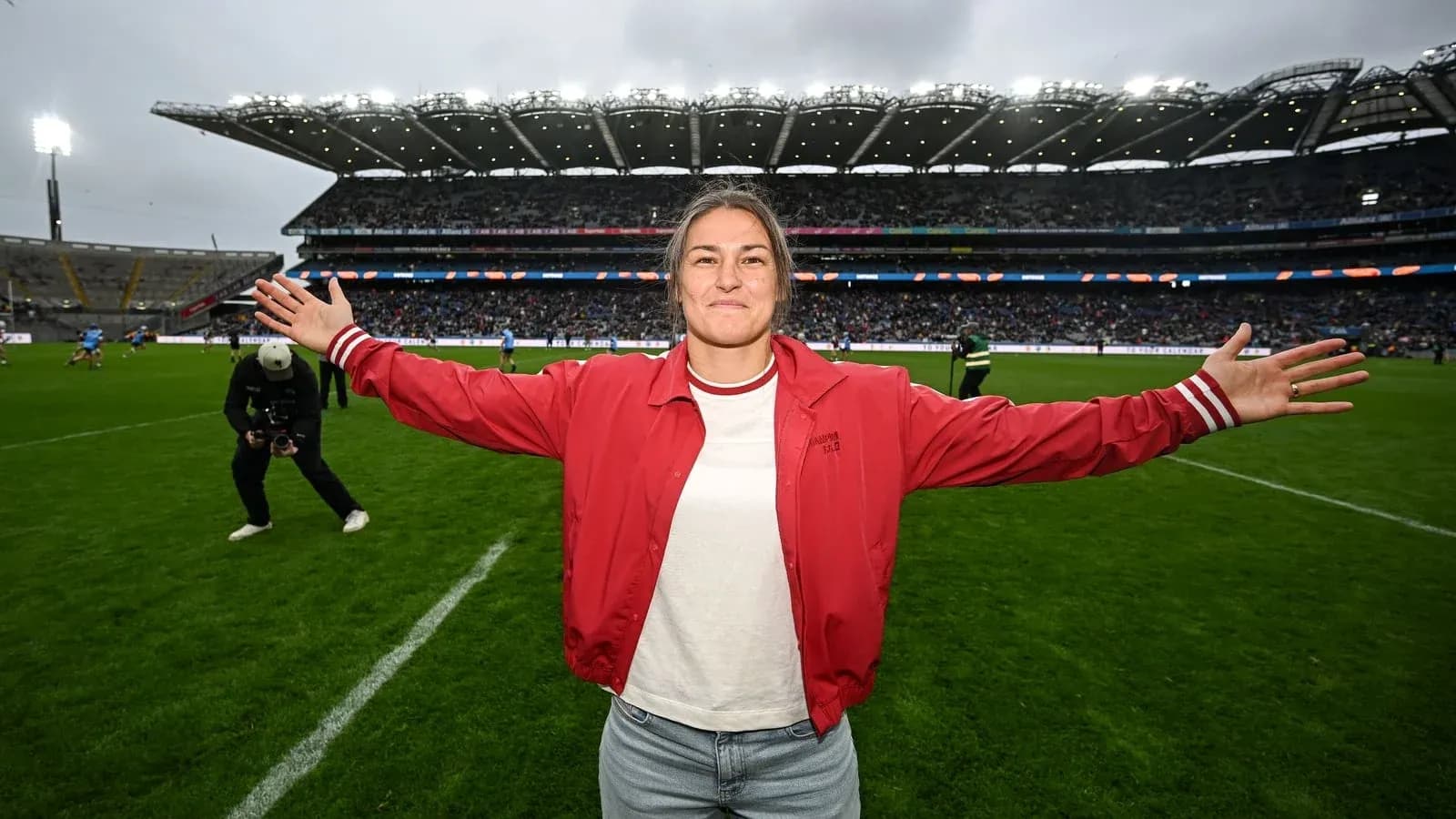
Instead, the stadium belongs to a woman who grew up dreaming of this very walk, this very ring, this very roar.
Some GAA traditionalists will always bristle at the idea of Croke Park as an all‑purpose entertainment hub. Yet even the most dyed‑in‑the‑wool among them will find it hard to begrudge Taylor her night. She has carried Irish boxing, inspired a generation and insisted, with a stubbornness familiar to anyone who has ever laced up gloves or boots, that compromise was not an option.
Back in June, she made it crystal clear: the Aviva Stadium would not do. If that was the only offer, she would have walked away. No farewell tour. No half‑measure.
It was “Croke Park or nothing.”
Now, in a stadium that has hosted Ali, Springsteen, Coldplay, Manchester United and Leeds United, she finally gets her wish. The question is no longer whether Croke Park can stretch beyond its roots.
It’s what – and who – comes next.